Things to do in Montjuïc Hill: Ready, set, explore!
Rising above the city with sweeping views of sea and skyline, Montjuïc Hill is Barcelona’s all-in-one escape into beauty, culture, and calm. It’s not just a hill—it’s a living museum of art, history, and nature, where you can stroll through sculpture-dotted gardens, explore iconic Olympic sites, or glide skyward in a cable car. Whether you're an art aficionado, a curious wanderer, or simply in need of some breathtaking views, Montjuïc promises a little bit of magic for everyone.
Top 10 things to do in Montjuic
Go museum-hopping
If you find joy in spending hours staring at surreal brushstrokes, ancient ruins, or stunning sculpture, Montjuïc has your name written all over it—in Gothic calligraphy, of course. Explore diverse collections spanning Catalan art, archaeology, ethnology, and contemporary works, all within walking distance or a short funicular ride.
Hunt for street art
Forget white walls—Montjuïc Hill is an open-air gallery in disguise. Wander off the main paths to discover colorful murals and bold political stencils tucked into cultural corners and quiet alleys. Head to the Jardins de les Tres Xemeneies near Plaça Espanya for constantly changing graffiti walls, or roam Poble Sec for pop-art surprises sprayed across garage doors and backstreet facades.
Relive Olympic glory
Once upon a time, 1992 to be exact, Barcelona hosted the Olympics, and Montjuïc was the stage. You can still feel the adrenaline in the air, the echoes of cheers in the stadiums, and the rush of history at every turn. Sports fans, your pilgrimage starts here.
Drive(or bike) on abandoned F1 tracks
Hill once hosted thrilling Formula 1 races, and parts of the old Montjuïc Park Circuit still exist today. Cycle or drive the original, weed-cracked tarmac, hug phantom corners, and spot faded pit lane lines. Just try not to hum the podium anthem too loudly.
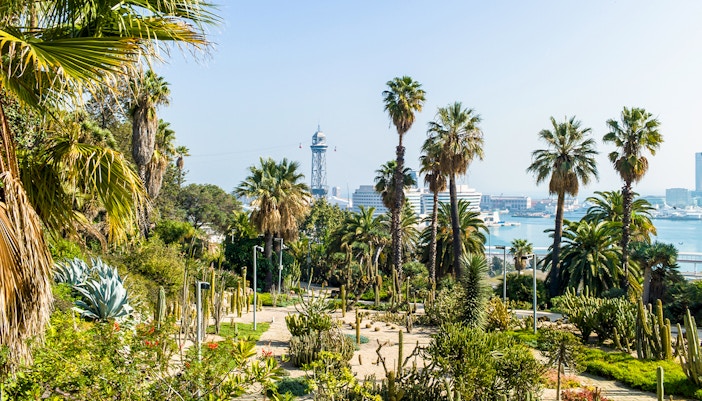
Hike or ride to multiple strategic viewpoints offering breathtaking, ever-changing perspectives of Barcelona’s skyline, harbour, and Mediterranean coast. Time your visit for sunset to witness the city transform under golden light, with prime spots near the castle or along western slopes.
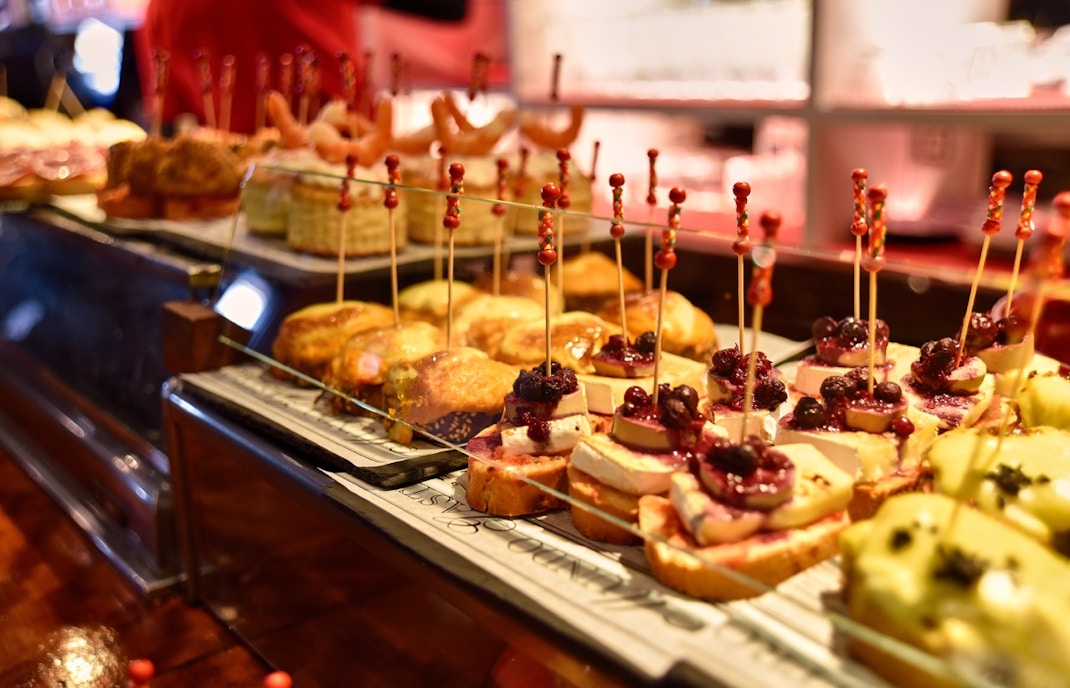
Tapa crawl
At Montjuïc Hill’s base lies Poble Sec, a buzzing barrio bursting with tapas bars and local flavor. Wander down Carrer Blai, a street made for tapeo (aka tapas crawling), where tiny bites and bold flavors rule. Pop into beloved joints like Quimet & Quimet and share montaditos over vermut. No map needed—just follow your nose and the chatter of locals debating Barça’s latest match.
Picnic like a Catalan Connoisseur
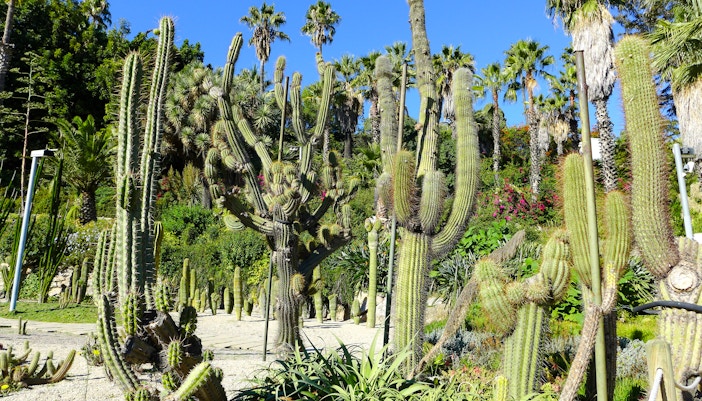
Grab supplies at Mercat de la Llibertat—think crusty bread, fuet, and juicy peaches—then stake out a perfect picnic spot. The tulip-filled Jardins de Mossèn Cinto Verdaguer is a springtime dream, while the cactus-filled Jardí Botànic offers shady serenity with bonus Mediterranean flair. Pro tip: bring Cava. Always bring Cava.
Take a hike
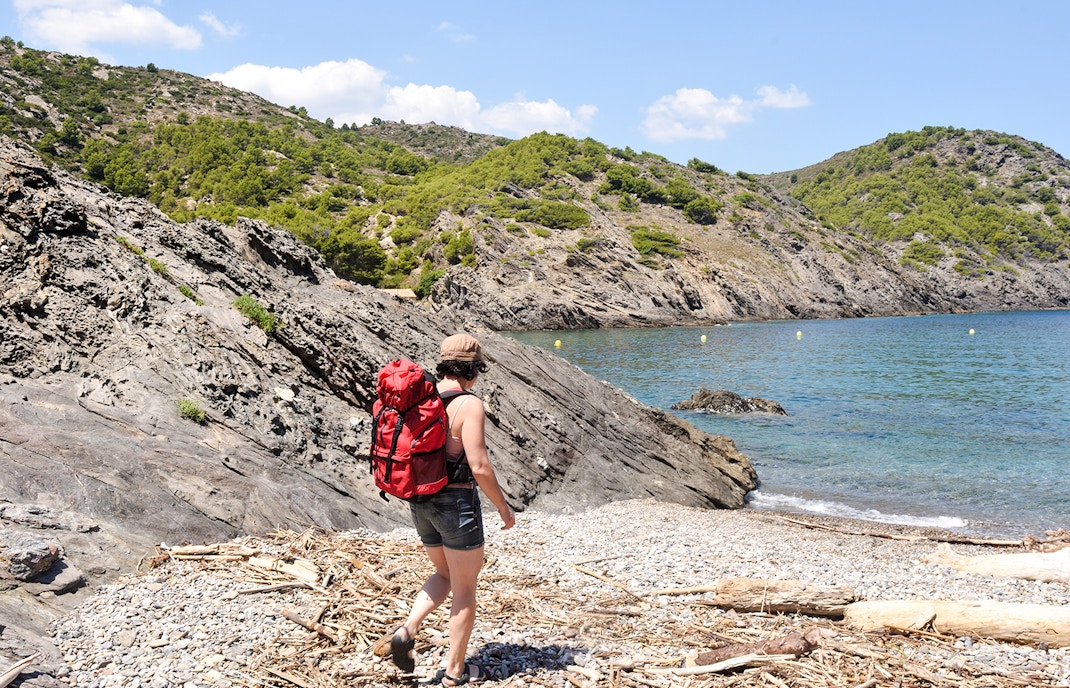
Montjuïc 360º Trail is Barcelona's first fully signposted urban hiking route, circling the entire hill for over 11 km. This comprehensive trail connects you to major landmarks, tranquil gardens, and sweeping viewpoints, offering a complete, immersive Montjuïc experience. It’s ideal for moderately experienced hikers or enthusiastic walkers.
Stay after dark
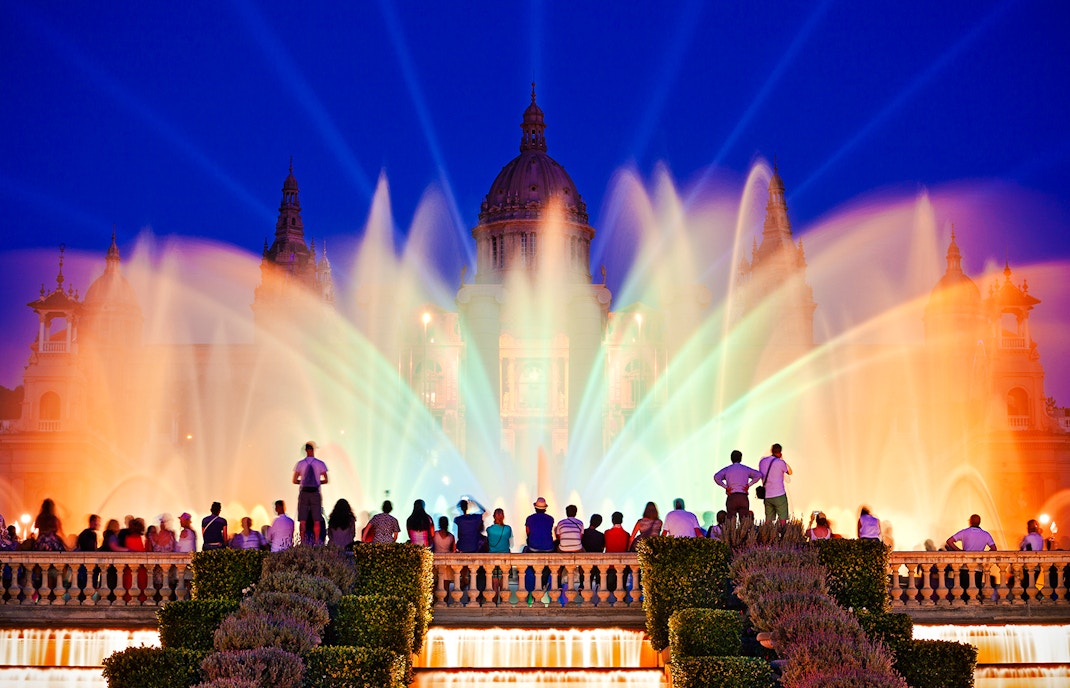
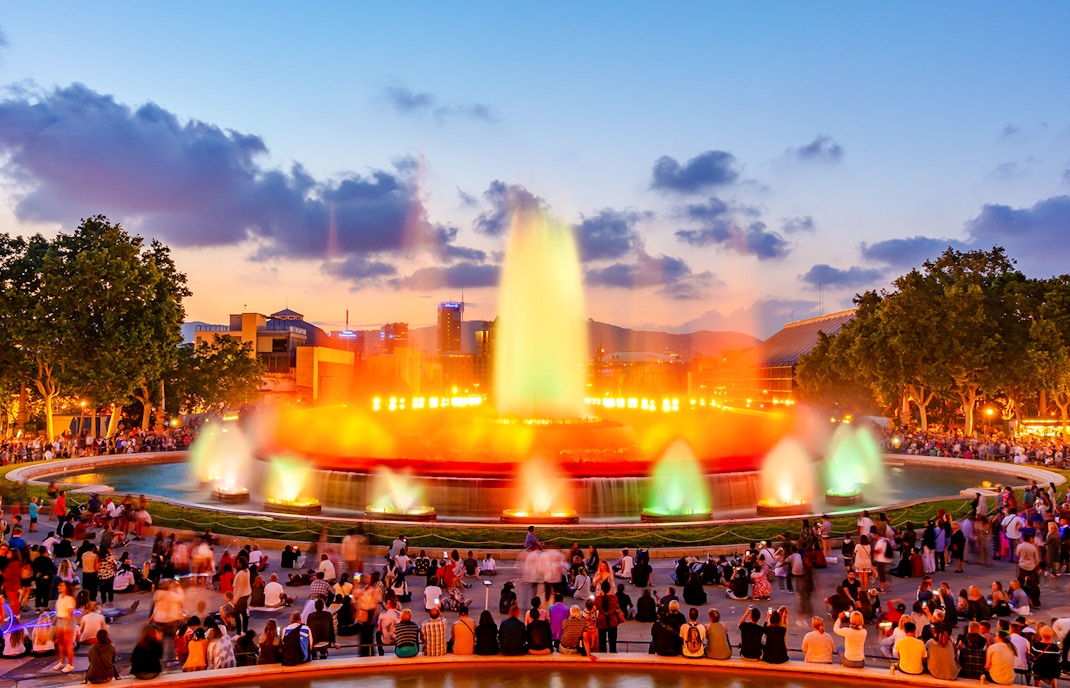
As daylight fades, Montjuïc Hill’s magic shifts gears. Catch a flamenco show under the stars at Poble Espanyol or watch an indie film projected on castle walls at Sala Montjuïc. The Font Màgica’s water-and-light show is a popular pick—go late to dodge crowds. For a quieter nightcap, trek behind the Jardí Botànic to Mirador del Migdia.
Join in the festivities
Each summer, Montjuïc Hill transforms into Barcelona’s largest open-air stage. From the Grec Festival’s starlit performances to concerts at the castle and alfresco cinema nights, culture spills from every garden and amphitheatre. Bring a blanket, pack a picnic, and let the skyline be your backdrop as music and art take center stage.
Don't miss these attractions, if you love:
Montjuïc Olympic Ring
The central Olympic complex features the Lluís Companys Olympic Stadium, arenas, and sculptures built for the 1992 Olympics.
Lluís Companys Olympic Stadium
Step into the arena that hosted the 1992 Summer Olympics' unforgettable opening ceremony.
Dive into interactive exhibits spotlighting the power and passion of global sports.
Palau Sant Jordi
This iconic venue still hosts major concerts and sporting events year-round.
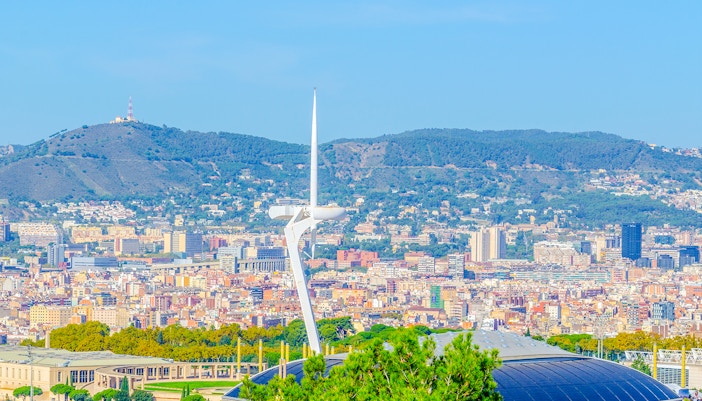
Torre de Calatrava
Snap a photo of this striking white spire, a symbol of Barcelona’s futuristic spirit during the Games.
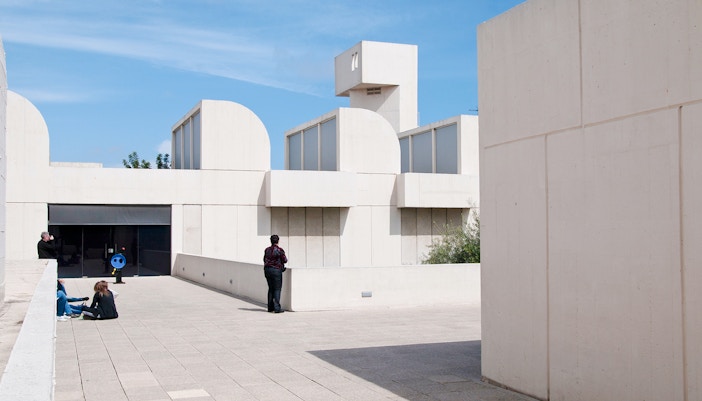
Fundació Joan Miró
A bright, airy museum dedicated to the Catalan surrealist. Explore bold colors, whimsical forms, and a space designed in collaboration with the artist himself.
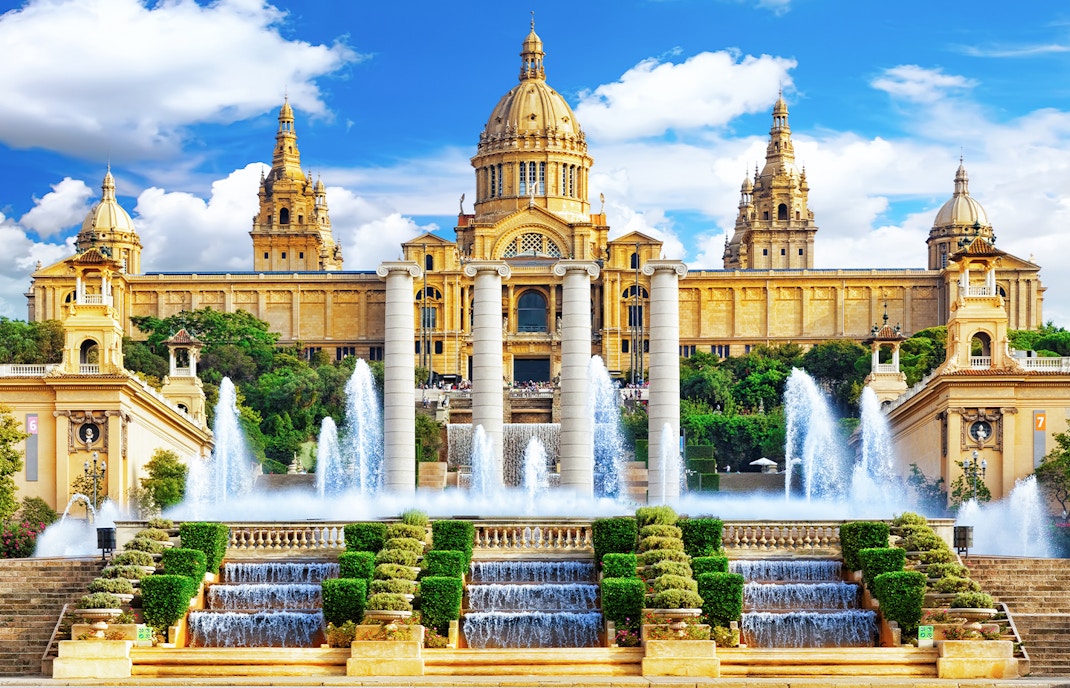
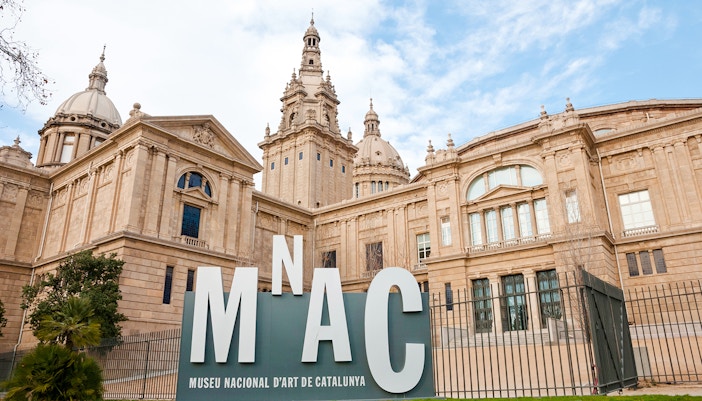
National Art Museum of Catalonia (MNAC)
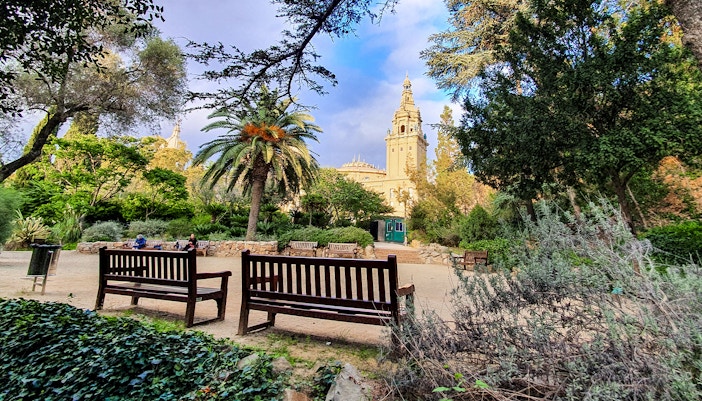
Housed in a palatial building, MNAC offers a sweeping journey through Catalan art from Romanesque frescoes to 20th-century masterpieces. Don’t miss the rooftop view.
CaixaForum Barcelona
A former textile factory turned cutting-edge cultural space, hosting rotating exhibitions, talks, and film screenings—all under striking modernist-industrial architecture.
Fundació Fran Daurel
Located inside Poble Espanyol, this intimate museum surprises with works by Picasso, Miró, and Dalí alongside emerging contemporary talents.
Barcelona Pavilion
Mies van der Rohe’s minimalist masterpiece, originally built for the 1929 World Expo, is a pilgrimage site for fans of modern architecture and design purity.
Miramar Gardens
Perched near the cable car station, these elegant gardens mix formal landscaping with sweeping views of the port and city.
One of Europe’s most unique botanical spaces, this south-facing hillside is packed with exotic cacti, succulents, and desert flora from around the world.
Mossèn Cinto Verdaguer & Joan Brossa Gardens
Romantic and whimsical, these adjoining gardens blend vibrant seasonal flowers with playful sculptures, poetic quotes, and shaded trails.
Barcelona Botanical Garden
Spanning 14 hectares, this scientific garden showcases Mediterranean ecosystems from California to South Africa.
Joan Maragall Gardens & Palauet Albèniz
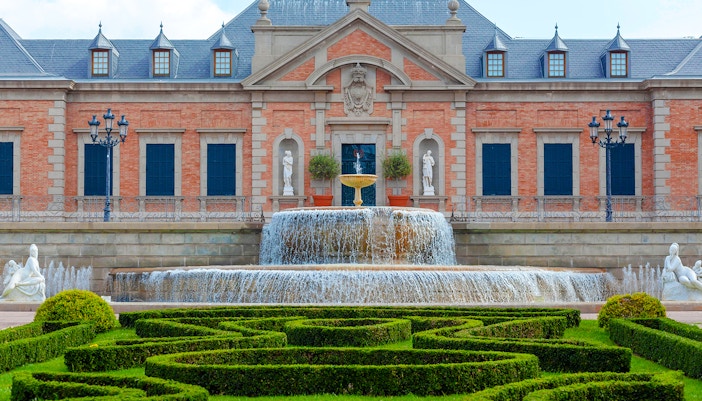
Tucked behind a royal residence, these classical gardens are dotted with marble statues, fountains, and perfectly trimmed hedges.
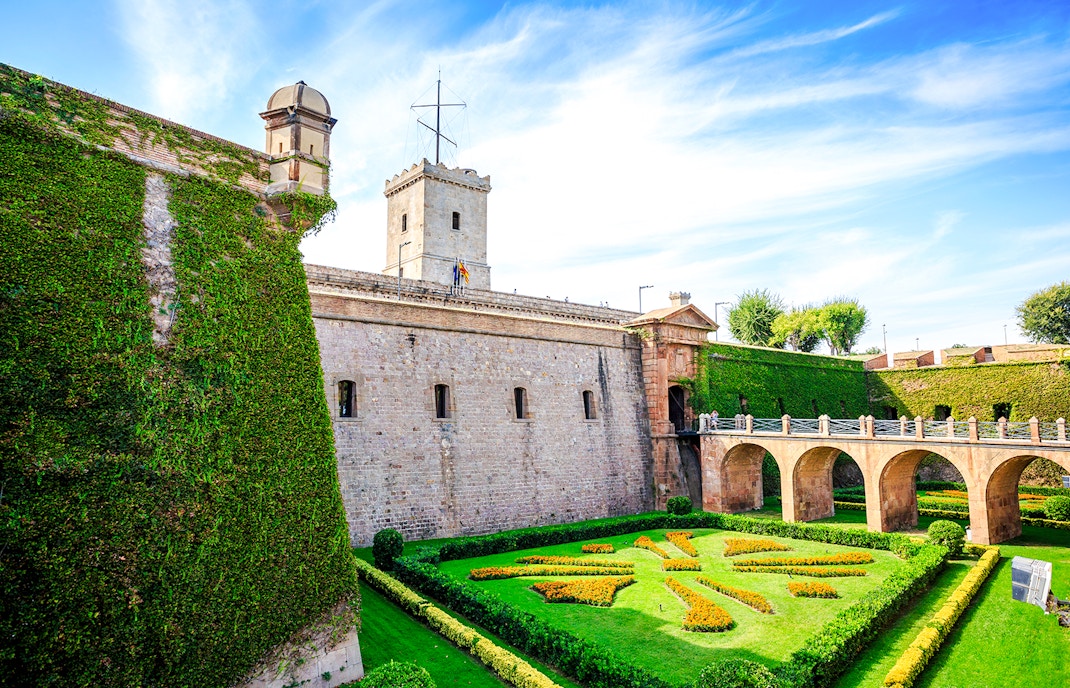
Montjuïc Castle
A 17th-century fortress with a turbulent past as a military prison. Offers stunning panoramic views and a glimpse into Barcelona’s military history.
Showcases artefacts from Catalonia’s ancient civilizations, from Iberian settlements to Roman ruins. Step inside to explore centuries of regional history.
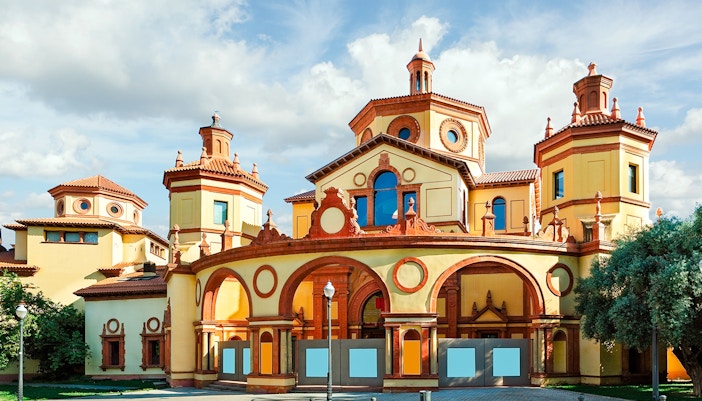
Mercat de les Flors
A dynamic hub for contemporary dance and innovative performances, this venue pulses with artistic energy. Its modern spaces regularly host cutting-edge shows, workshops, and festivals that push creative boundaries.
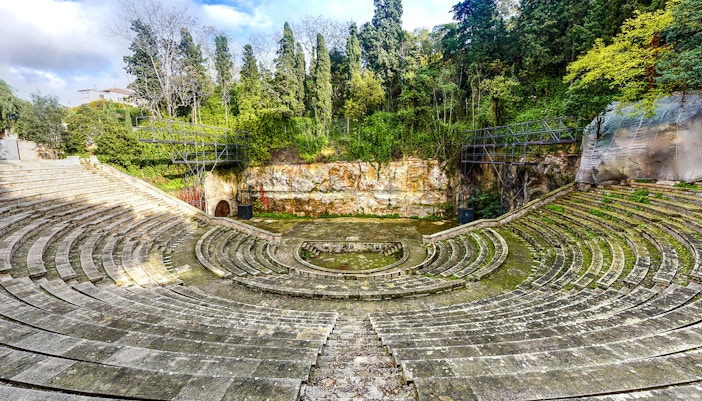
Teatre Grec
An enchanting open-air amphitheatre carved into the hillside, where summer nights come alive with music, theatre, and dance under the stars. Its classical Greek-inspired architecture and natural acoustics make every performance unforgettable.
Tomb of Carmen Amaya
Hidden within Montjuïc Cemetery, this ornate tomb honors Carmen Amaya, the legendary flamenco dancer known for revolutionizing the art with fiery passion and style.
Montjuïc Funicular
A quick, fun ride that zips you up the hill from Paral·lel metro and drops you off a stone’s throw away from the cable car station.
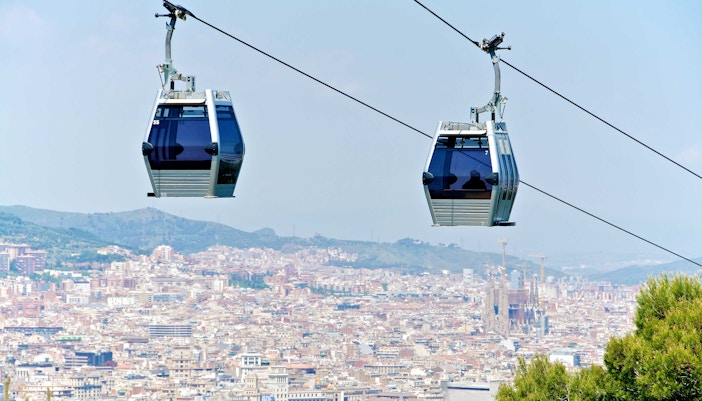
Float high above the park as you glide to Montjuïc Castle, soaking in unbeatable panoramic views of Barcelona and the sea. It’s like flying over the city!
A peaceful spot perched on the hill’s edge, ideal for capturing stunning sunset photos. Its calm atmosphere makes it a favorite for quiet reflection and skyline views.
Montjuïc Castle Viewpoint
The castle’s rooftop terrace delivers a breathtaking 360º panorama of Barcelona, the harbor, and the Mediterranean coast.
El Xalet de Montjuïc
Enjoy elevated Mediterranean dishes on a leafy terrace with killer city views. Perfect for a romantic dinner or a relaxing meal after exploring the hill.
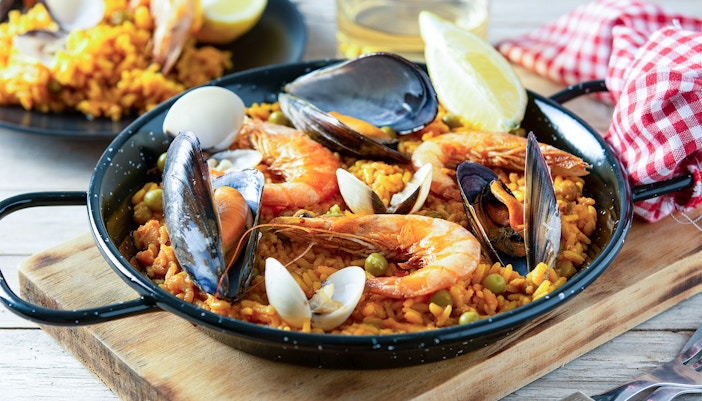
Famous for its paella and tapas, this spot pairs great food with live music and panoramic views. It is casual, lively, and always buzzing with good vibes.
Restaurant La Font de Prades
Cozy and family-friendly, this Poble Espanyol favorite serves up classic Catalan flavors in a welcoming setting. Great for groups and anyone craving traditional Mediterranean fare.
If you are travelling with kids (or are a kid at heart)
Magic Fountain of Montjuïc
Lights, music, and water come alive in a show that mesmerizes kids and adults alike. It’s pure, splashy fun after dark.
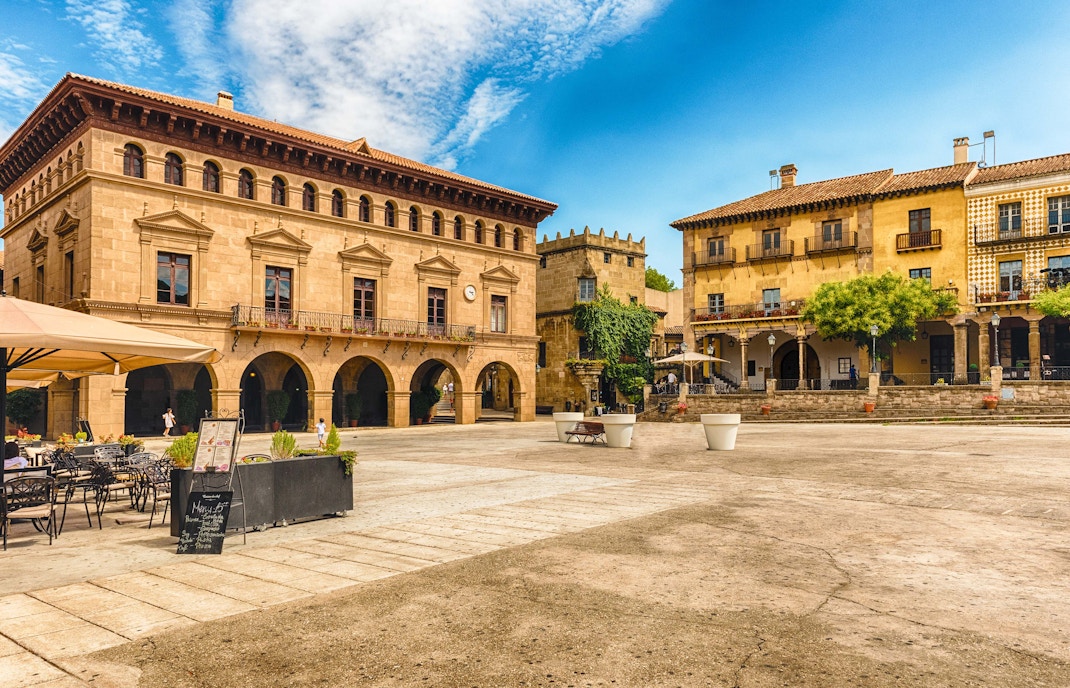
Explore a mini Spanish village full of colorful crafts and lively flamenco shows that kids love. Perfect for curious little explorers.
Frequently asked questions and answers on things to do in Montjuïc
The best time to visit Montjuïc is during the spring (April to June) and fall (September to October) when the weather is mild and pleasant. For the Magic Fountain, visiting during the evening shows is recommended, typically from Thursday to Sunday.
You can reach Montjuïc via the Metro (Paral·lel station on route L2/ L3), the Funicular, buses (lines 55 and 150), cable car, or by car (limited parking available).
The Magic Fountain typically hosts shows Thursday through Sunday evenings; check the schedule for specific times.
While entry to Parc de Montjuïc is free, some attractions like Montjuïc Castle and Poble Espanyol have admission fees.
Depending on your pace and chosen trails, hiking can take anywhere from 1 to 3 hours. Plan for extra time if you want to stop and enjoy the views or visit attractions along the way.
Kids will enjoy exploring Poble Espanyol, watching the Magic Fountain show, running through Montjuic Castle, and playing in the parks. The cable car ride is also a fun experience for families.
Poble Espanyol features artisan shops selling crafts and souvenirs. Additionally, you can find food stalls offering local delicacies within its premises.
Yes, you can use buses (lines 55 and 150), cable car, or take the Funicular from Paral·lel Metro Station to access different areas of Montjuïc easily.