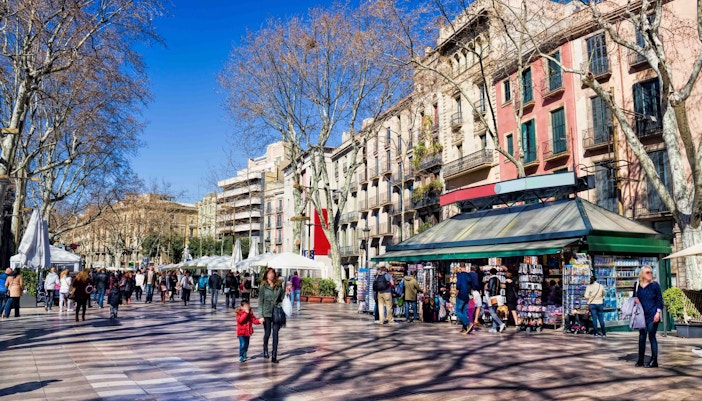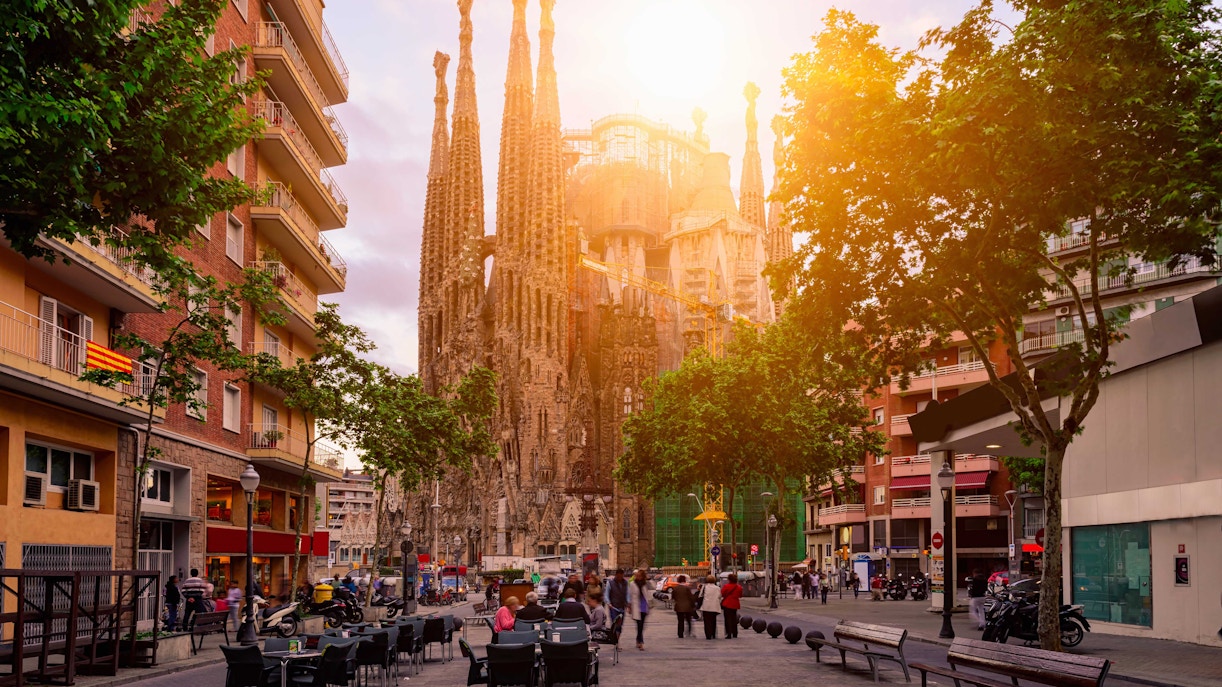
- La Rambla is usually bustling, with visitors, locals, and street performers posing as human statues.
- There are numerous terraces and eateries on both sides of the street, and it is delightful to sit on one of them and watch people come and go.
- Witness live concerts, human statues, and painters who will sketch your portrait or caricature are among the attractions along La Rambla.
La Rambla Barcelona | Things to Do, Restaurants, Facts & More
La Rambla Barcelona
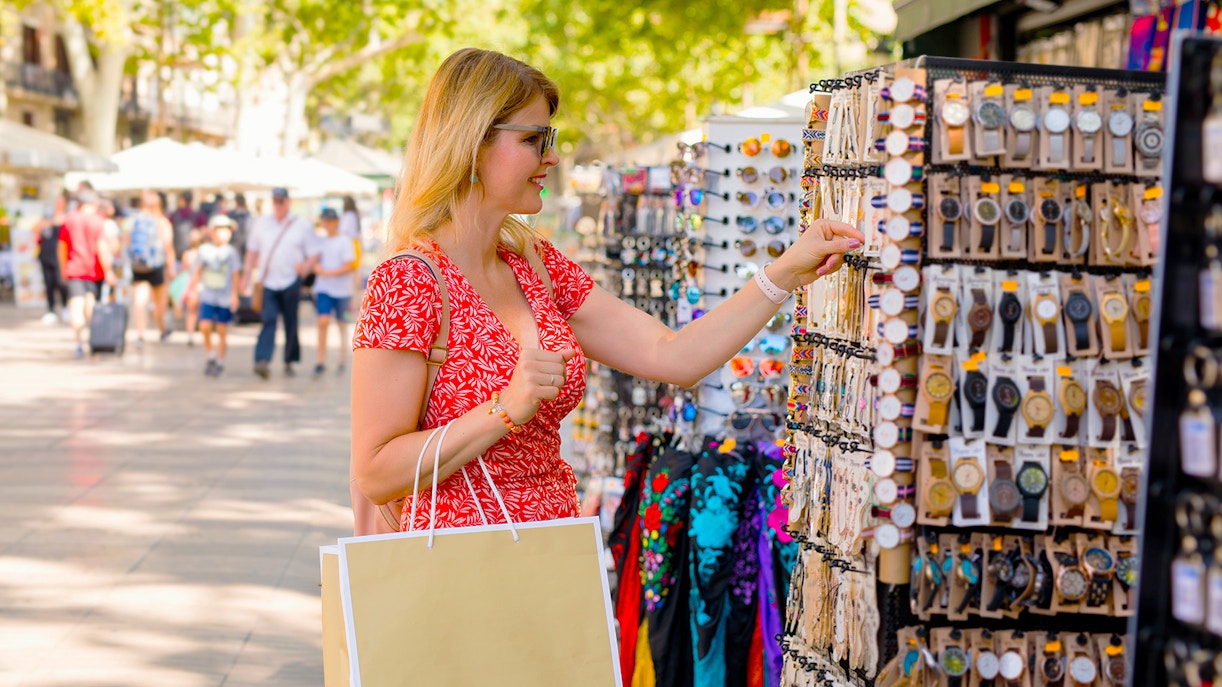
While in Barcelona, it is impossible to resist yourself from witnessing the charm of the street of La Rambla. La Rambla is a pedestrian-only thoroughfare in the heart of Barcelona. It's a tree-lined pedestrian boulevard that runs for 1.2 kilometers. The place is always decked up with kiosks, flower stalls, artists, living statues, terraces, restaurants, and shops and is a major tourist hotspot.
What is La Rambla Barcelona Known For?
Is La Rambla the same as La Ramblas?
The Ramblas is the most well-known pedestrian street in Barcelona, as well as the most well-known tourist thoroughfare. It is commonly referred to as 'La Rambla' or 'Las Ramblas.' This is due to the fact that La Rambla is one wide road with six parts, each with its own name; therefore, it is genuinely six Rambla streets connected with each other to form one continuous Rambla.
Don't worry if that was a little confusing. Say "La Rambla" or "Las Ramblas". This street has two names, both of which are acceptable.
Top Things to do at La Rambla Barcelona
Interesting Facts About La Rambla Barcelona
- In the 15th CENTURY, the sewage passing through the region was rerouted and sealed up, giving birth to La Rambla as a road. Since then, it has become a fundamental axis for transportation, large gatherings, marketplaces, and festivals.
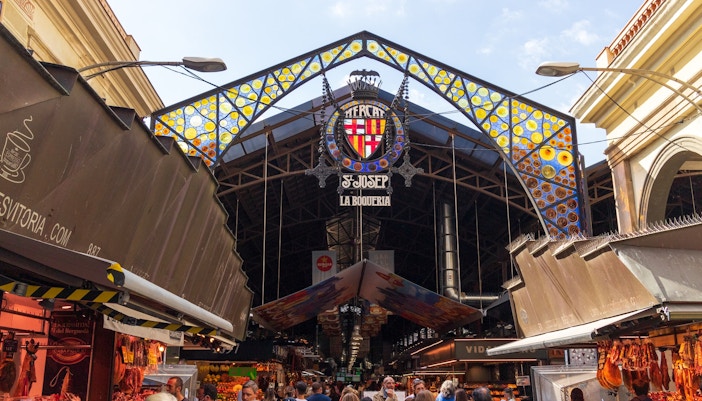
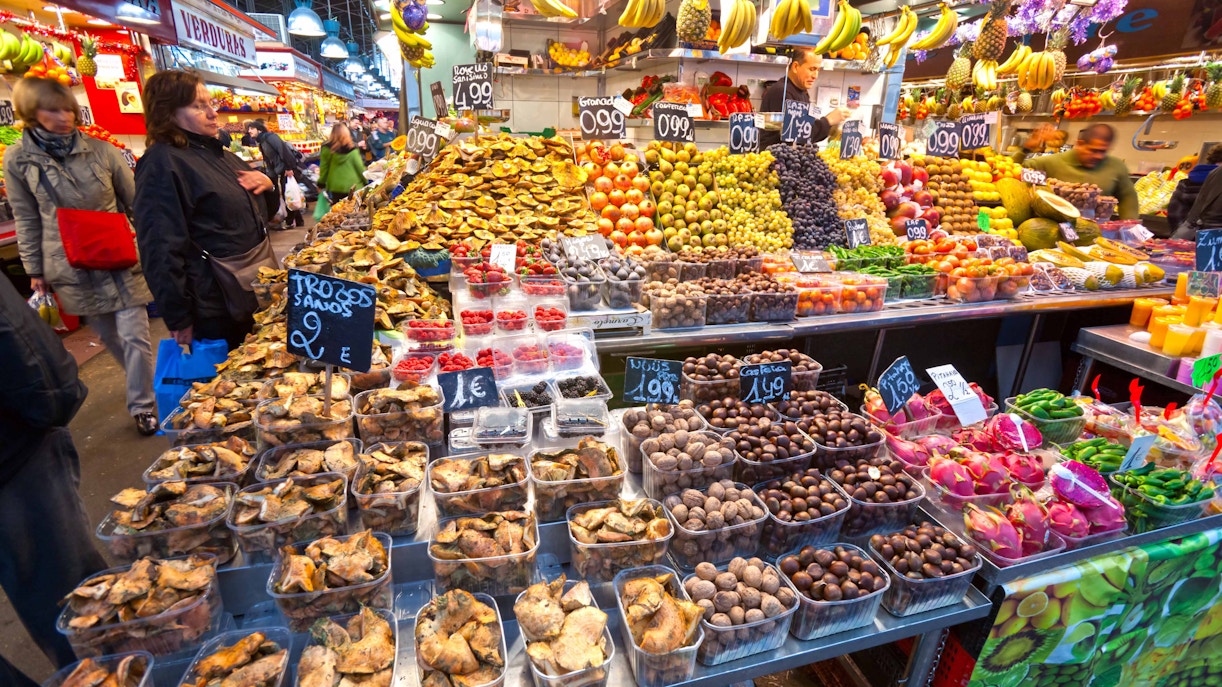
- The La Boqueria market began as an open-air market on the edges of the Old Town as a way to escape paying import taxes on items sold within the city's walls.
- The first residences were built around the beginning of the 18th century, and it wasn't until the end of the century that La Rambla began to take on its current shape, a wide tree-lined promenade in the heart of the city.
- The Font de Les Caneletes, a little water fountain on the street, serves as a symbolic meeting location for Barcelona Football Club supporters when their side wins.
Best Restaurants at La Rambla
Shopping at La Rambla
Plan Your Visit to La Rambla Barcelona
Visitor Tips
- Pickpockets are pretty common in this area. Try to avoid them.
- On Las Ramblas, stay away from the majority of restaurants and cafés. The majority of them are of inferior quality.
- At night, stay away from the Ramblas. It isn't very unsafe, but it does become a spot frequented by people with evil motives.
- Las Ramblas is packed with visitors from May through October. The months of mid-July through mid-August are the busiest.
Frequently Asked Questions About La Rambla in Barcelona
The Ramblas are famous for street performers, including human statues.
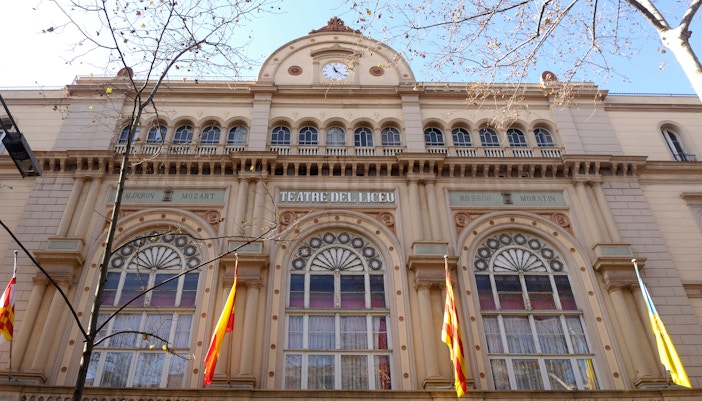
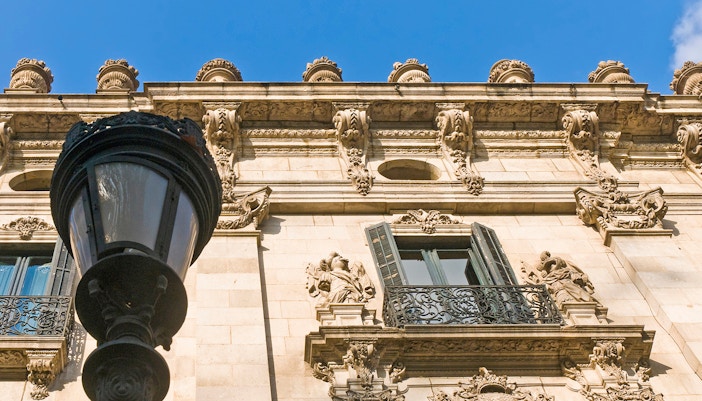
Visit the Columbus Monument, the Royal Palace, the Gran Teatre del Liceu, and the Palau de la Virreina.
Las Ramblas is about 1.2 kilometers long, with Port Vell (near the cruise port terminal) at one end and Plaça de Catalunya at the other.
La Rambla is in Barcelona, Spain.
Las Ramblas is 36 to 80 feet wide. Sidewalks are often fewer than 10 feet wide, encouraging people to walk in the middle.
La Rambla is one of Barcelona's most prominent cosmopolitan neighborhoods, with millions of visitors each year worldwide. You may expect to run into individuals from at least 40 different nations on any day.
The origin of La Rambla starts in the 15th century. It was initially a sewage-filled stream.
The literal meaning of La Rambla is a dry riverbed used as a road or thoroughfare.
La Rambla has existed for over six centuries now.
Yes, La Rambla is safe at night as many tourists enjoy the nightlife till 3-4 AM.