Quick Information

Plan your visit

Reasons to visit Montserrat Monastery

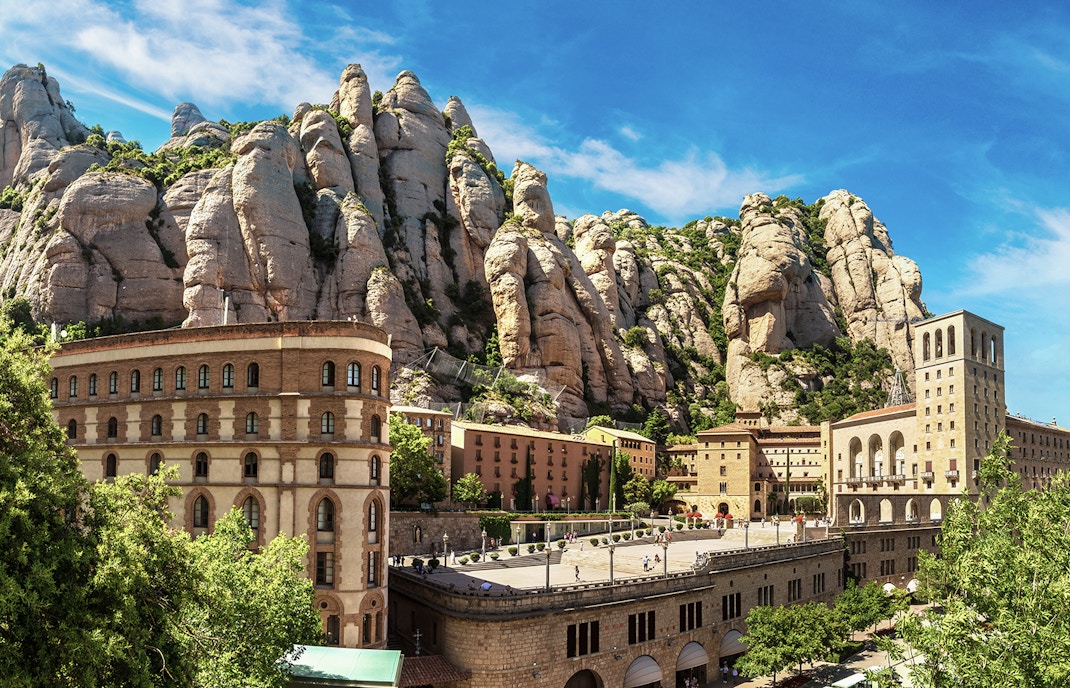
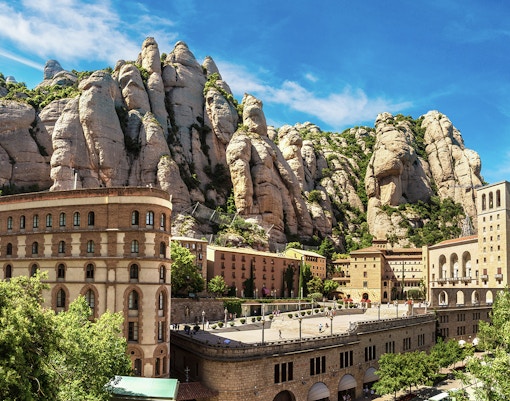
Montserrat Monastery, located about an hour from Barcelona, is a unique destination that combines spiritual significance, stunning natural beauty, and rich history. Here’s why you should consider visiting this remarkable site.
Historical significance
  • Ancient origins: The Montserrat monastery has been a religious site since the 10th century and is believed to have roots dating back to Roman times. It has served as a pilgrimage destination for centuries, attracting visitors from around the world.
  • Catalan identity: Montserrat is also a symbol of Catalan culture and identity, especially during the Franco regime when it became a refuge for those persecuted for their beliefs
Montserrat Monastery history

The Black Madonna

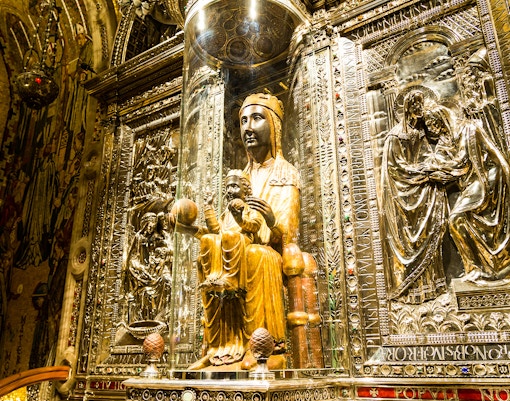
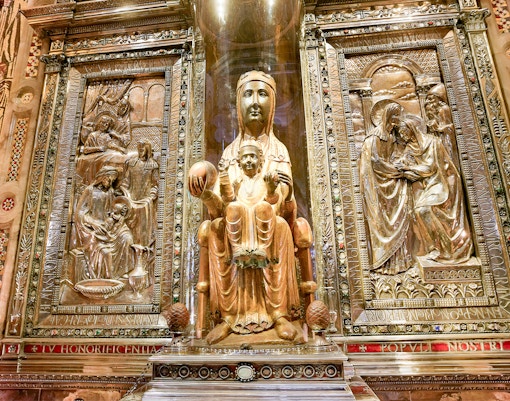
  • Cultural icon: The statue of the Black Madonna, known as La Moreneta, is the patron saint of Catalonia. Made of wood and dating back to the 12th century, it holds significant religious importance and is a focal point for many pilgrims.
  • Unique experience: You can touch the Madonna's orb, symbolizing the universe, creating a deeply personal spiritual connection.
More about the Black Madonna

Architectural beauty

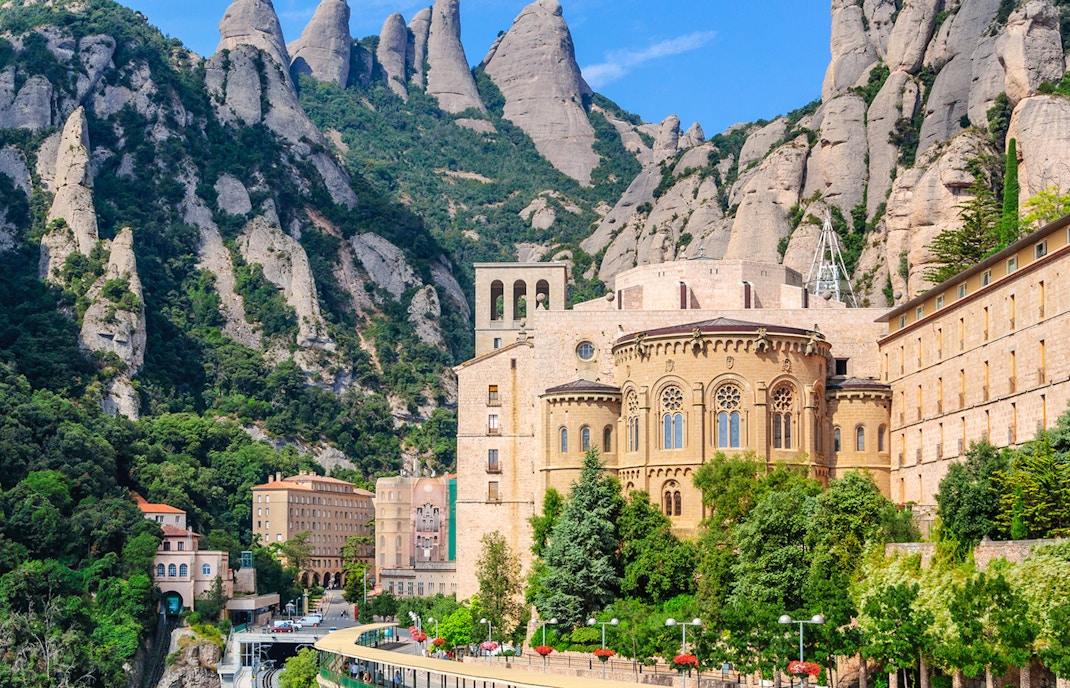
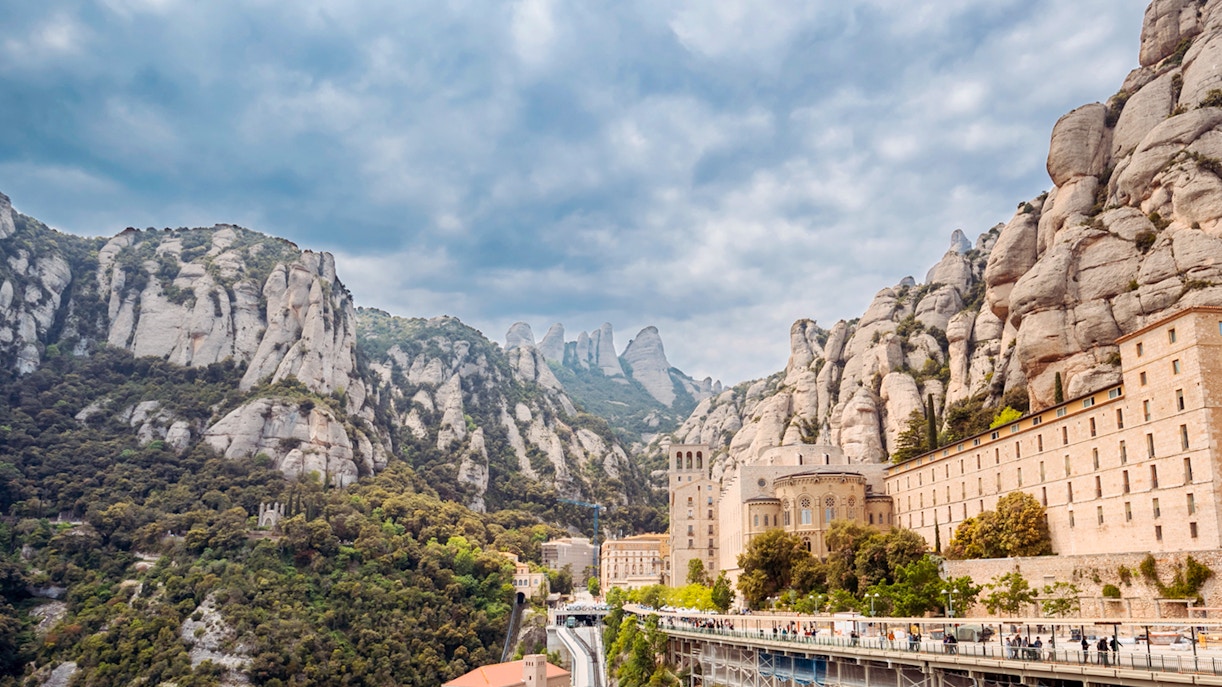
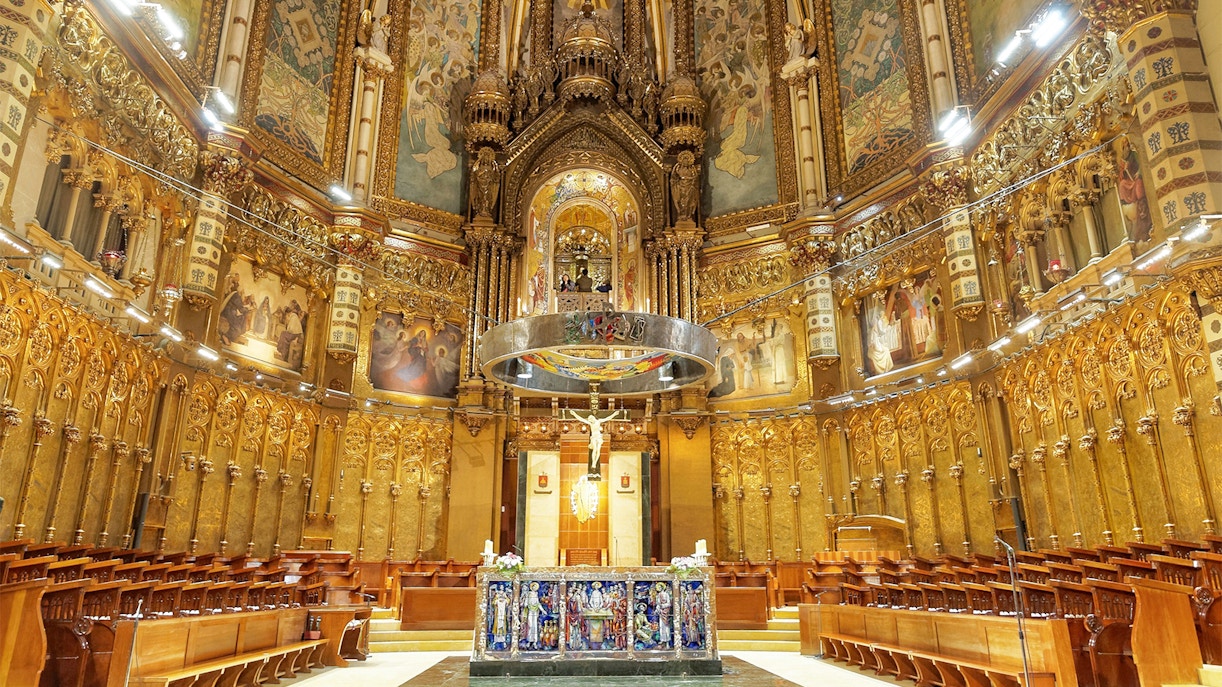
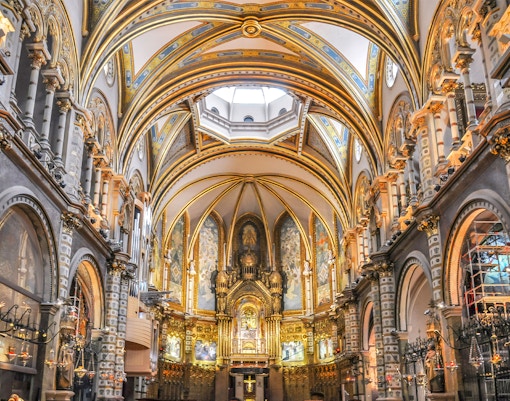
  • Stunning Basilica: The basilica features intricate sculptures and a façade that blends harmoniously with the surrounding mountain landscape. While not architecturally remarkable in isolation, its setting enhances its beauty.
  • Museum: Montserrat houses a museum with works by renowned artists such as Picasso and Dalí, offering insights into both religious and artistic heritage
More about the Montserrat Museum

Natural beauty and hiking

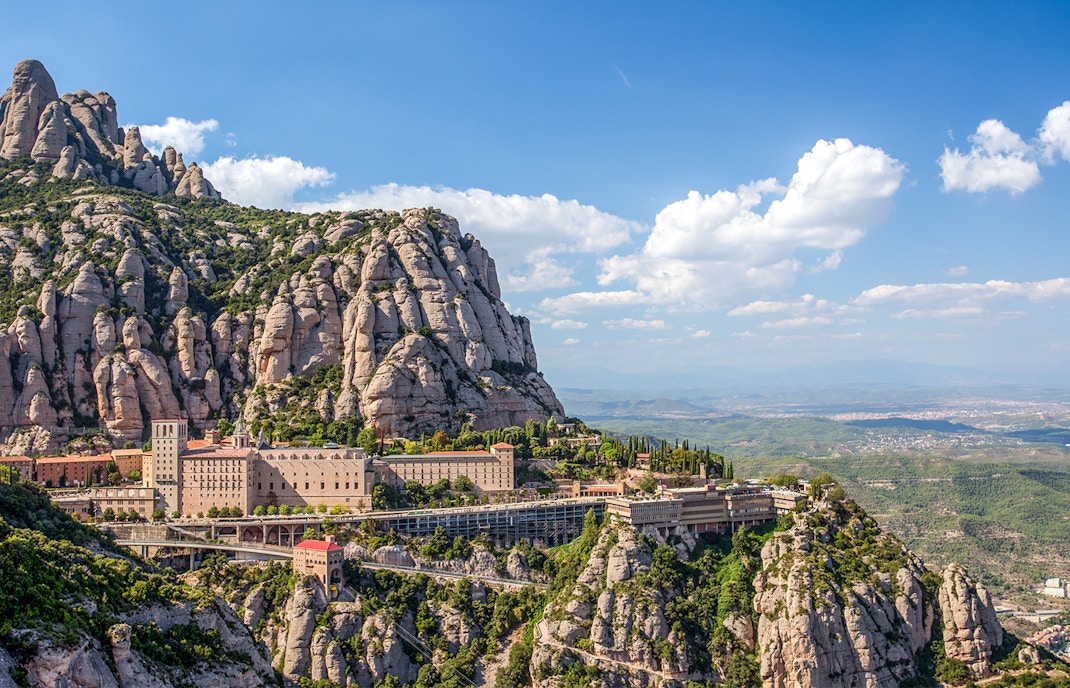
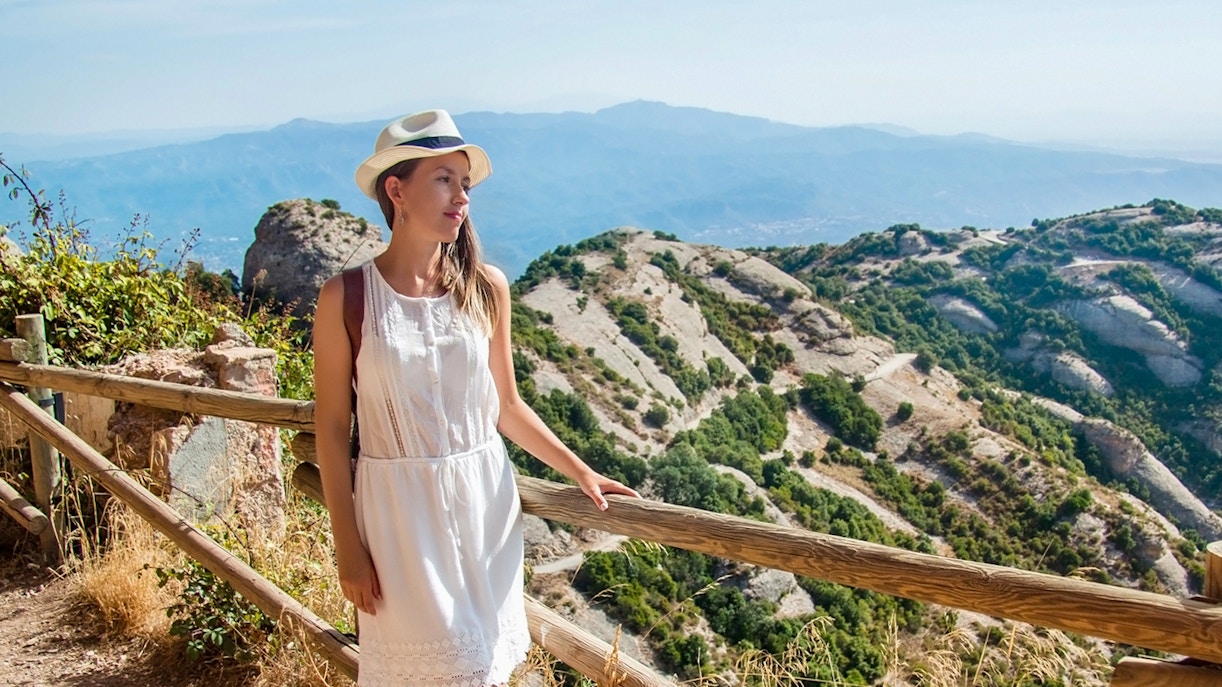
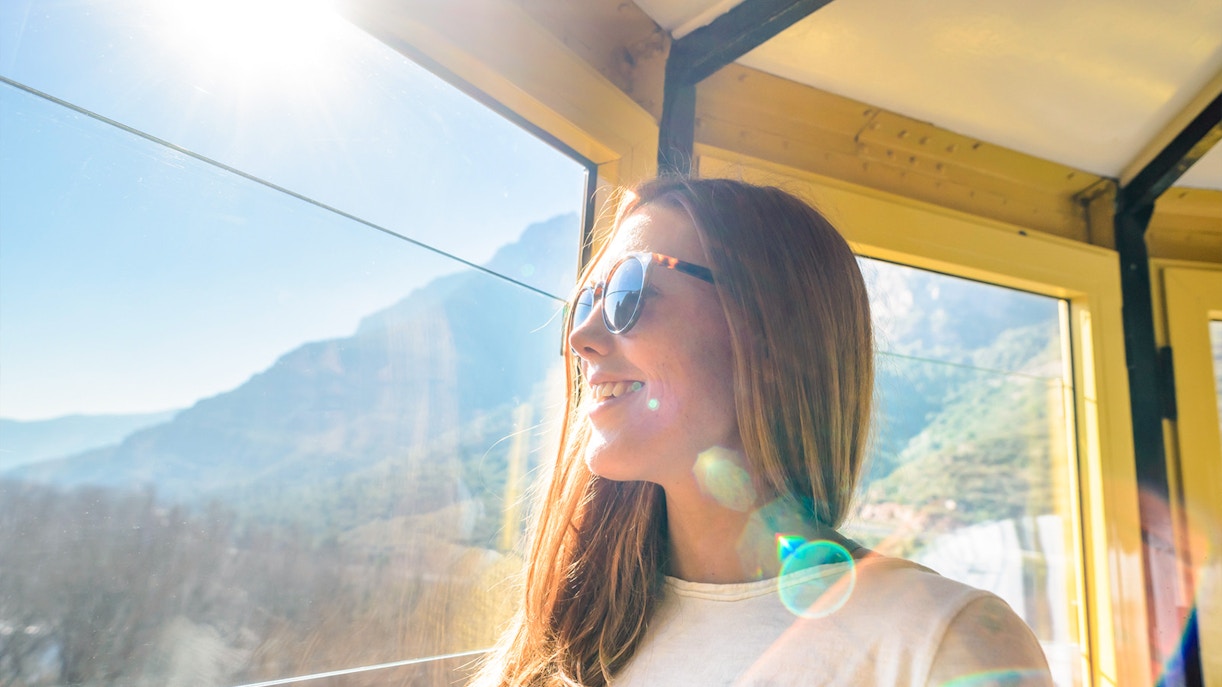
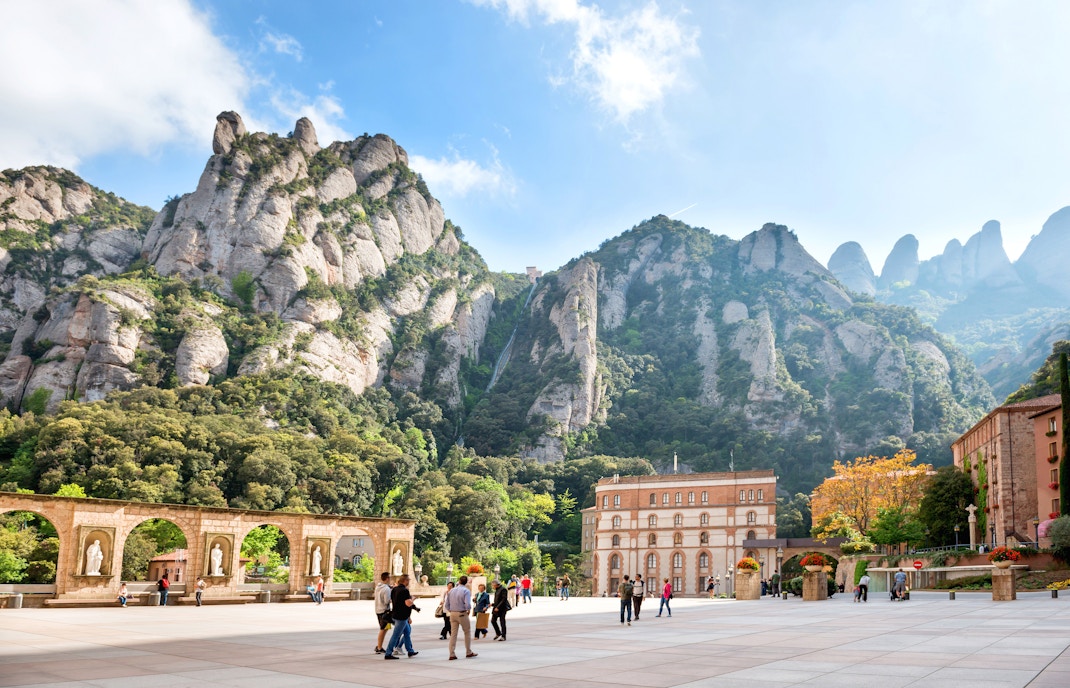
  • Breathtaking views: The jagged peaks of Montserrat provide stunning vistas of the Catalan countryside, with a dramatic landscape characterized by jagged peaks that rise sharply against the sky, creating a breathtaking backdrop, whether by train or cable car.
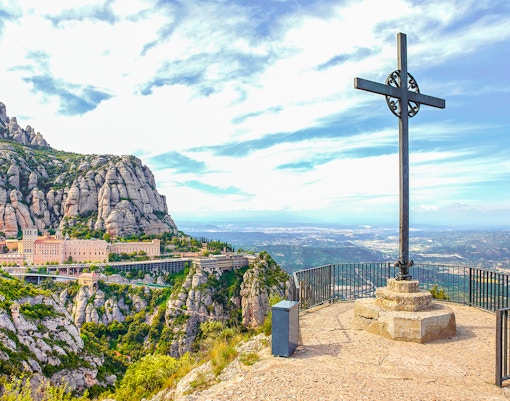
  • Hiking opportunities: There are numerous hiking trails with varying difficulty levels. A popular hike leads to St. Michael's Cross, offering panoramic views of the monastery and surrounding landscapes in about 30 minutes
Montserrat mountain hike

Plan your visit to Montserrat Monastery

Opening hours

The monastery is open everyday from 7:30am to 8pm.

Throne of Our Lady: 8am to 10:30am, 12pm to 6:25pm

Holy Grotto: 10:30am to 4pm

Museum of Montserrat: 10am to 5:45pm

EscolaníaBoys Choir Timings:

Monday to Friday-1am, Monday to Thursday-6:45pm, Sundays and religious holidays-12pm and 6:45pm

Timings of Montserrat Monastery

Location

Address: 08199 Montserrat, Barcelona, Spain

Find On Map

Montserrat Monastery is located on the Montserrat mountain, in Catalonia, Spain.

Nearest Train Station: Montserrat, 130 m away

Landmarks nearby: Museum of Montserrat

Getting to Montserrat Monastery

What to see at Montserrat Monastery?

The Black Madonna

The spiritual centerpiece of Montserrat Monastery is the revered statue of the Black Madonna, also known as La Moreneta (Dark Virgin), due to the colour of her face and hands. Pilgrims and visitors are drawn alike to this sacred icon of Virgin Mary holding baby Jesus and it is believed to have miraculous properties. The statue is housed in the Basilica of Montserrat and in 1881 was proclaimed the patroness of Catalonia.

Atrium

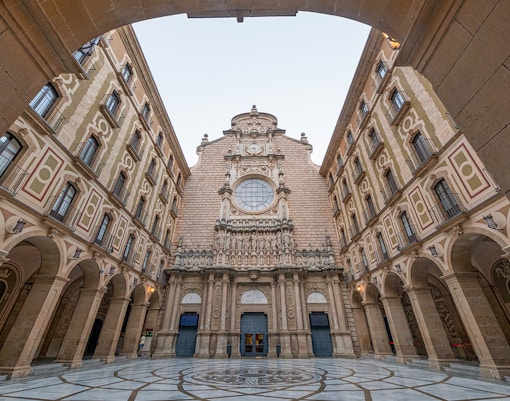
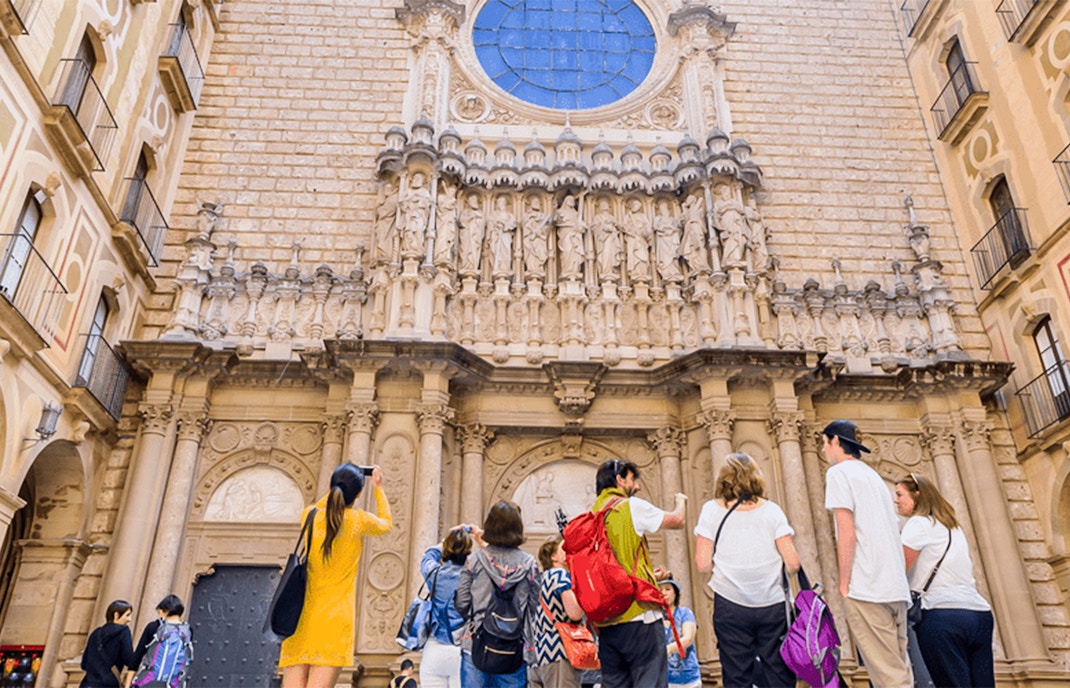
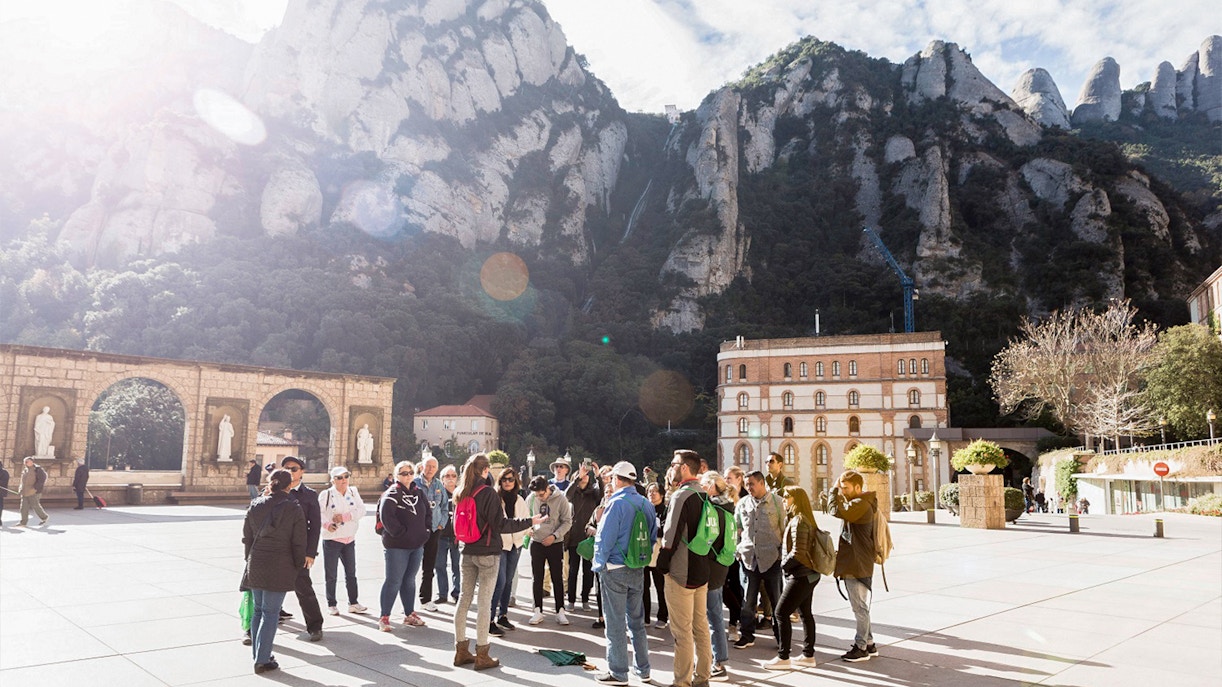
Once you enter Montserrat Monastery from the Plaza de Santa María, visitors are greeted by the atrium of the Basilica. This interior open-roofed courtyard showcases the facade of the Basilica adorned with depictions of the 12 apostles surrounding Jesus in the center. Each apostle is identifiable by a characteristic element of their life or death. You can also spot an iron sculpture of St Benedict here.

Crucifix of Montserrat

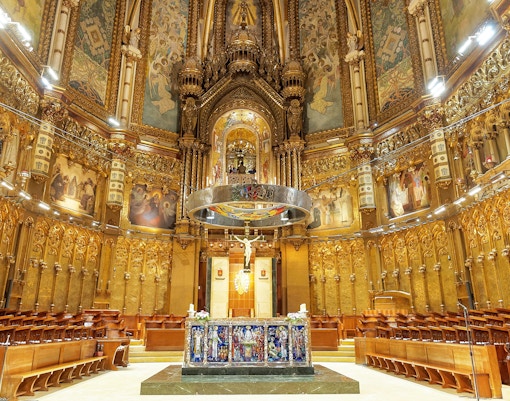
Within the basilica, you will find the Crucifix of Montserrat, an ivory sculpture depicting the crucified Christ. Attributed to the genius of Michelangelo, this 23-inch masterpiece adds a touch of artistic significance to the monastery. The sculpture, created between 1496-1498, stands at 58.5 cm high. It has been at the main altar of the basilica for around 70 years, showing just how important a figure it is at the Montserrat Monastery.

Escolania de Montserrat

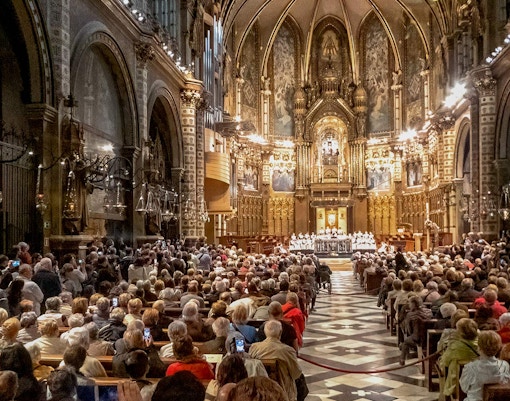
Within Montserrat Monastery is the Escolania de Montserrat, one of Europe's oldest boys' choirs with written references dating back to the 14th century. Beyond its historical significance, the choir offers a captivating auditory experience, particularly during their performances of the "Virolai" (Montserrat anthem) in the basilica. You can witness the choir's renditions of the "Salve" and the "Virolai" at 1pm from Monday to Friday.

Brief history of Montserrat Monastery architecture and architects

Origins and early development

The Monastery of Montserrat, officially known as Santa María de Montserrat, was founded in 1025 by Oliba, the Abbot of Ripoll and Bishop of Vic. Initially established as a small hermitage, it quickly gained prominence as a pilgrimage site due to the veneration of the Virgin Mary, attracting visitors and fostering stories of miraculous events associated with her statue. By 1409, it became an independent abbey, marking its significance in Catalan religious life.

Architectural styles and influences

The architecture of Montserrat Monastery is characterized by an eclectic blend of styles reflecting its long history. The Basilica, which serves as the heart of the monastery, showcases elements from Romanesque, Gothic, Renaissance, and Baroque periods. This amalgamation results in a unique architectural narrative that mirrors the various epochs during which it was constructed and renovated.

  • Romanesque elements: The original structures exhibited typical Romanesque features, such as thick walls and rounded arches.
  • Gothic influences: The Gothic cloister, dating back to 1476, exemplifies this style with its intricate columns adorned with plant and animal motifs.
  • Renaissance touches: The facade of the Basilica, completed in 1901 by architect Francisco de Paula del Villar y Carmona, incorporates Renaissance elements alongside modernist influences.

Key architects

Several notable architects have contributed to the monastery's design over the centuries:

  • Francisco de Paula del Villar y Carmona: Responsible for the current facade of the Abbey, his work reflects a blend of traditional and modern styles.
  • Josep Puig i Cadafalch: A prominent modernist architect who designed parts of the monastery complex, including the Gothic cloister and other significant structures within the site.
  • Antoni Gaudí: Although not directly responsible for major structures at Montserrat, Gaudí's influence is evident in some restoration efforts during the late 19th century, particularly in the design elements that reflect Catalan Modernism.

Tips for visiting Montserrat Monastery

Montserrat Monastery, located near Barcelona, is a stunning destination known for its breathtaking views and rich cultural significance. Here are detailed tips to help you navigate your visit effectively.

Dressing rules
  • Modest attire: You must wear appropriate clothing when entering the church. This means covering shoulders and knees. It’s advisable to wear long pants or skirts and tops with sleeves.
  • Comfortable footwear: Since you may be walking or hiking, wear comfortable shoes suitable for both the monastery and outdoor trails.
Weather insights
  • Temperature variations: The average temperature at the monastery ranges from 13°C to 14°C (55°F to 57°F) throughout the year. However, temperatures can drop significantly, especially in winter when they can reach as low as -6°C (20°F) at night. In summer, it can soar up to 37°C (100°F) in nearby Barcelona, but Montserrat will still be cooler due to its elevation.
  • Microclimates: Montserrat has distinct microclimates due to its topography. As you ascend, expect cooler temperatures and increased wind. Always check the forecast before your visit; for example, if it’s warm in Barcelona, it may still be chilly and windy at the monastery.
  • Rainfall: The area receives about 678 mm of rainfall annually, with the possibility of sudden showers. Ensure you have a waterproof jacket or umbrella, especially if visiting during spring or fall when rain is more likely.
Weather in Montserrat
What to see first
  1. The Basilica and Black Madonna: Start your visit at the Basilica, home to the revered statue of Our Lady of Montserrat, known as La Moreneta. This 12th-century statue is a significant pilgrimage site, and many visitors queue to touch the orb she holds, which is believed to grant blessings.
  2. Note that the queue often forms at the entrance, so plan accordingly; it’s not for entering the church but specifically for viewing the Black Madonna.
  3. The Boys’ Choir: If your visit coincides with their performance schedule, don’t miss the Escolania de Montserrat, one of Europe’s oldest boys' choirs. Their singing adds a unique spiritual atmosphere to your visit.
  4. The Museum: After visiting the basilica, consider exploring the Museum of Montserrat, which features an impressive collection of art from renowned artists like Picasso and Dali.
  5. Santa Cova Chapel: For those interested in history, take a funicular down to the Santa Cova Chapel, where La Moreneta was discovered. The walk offers stunning views and takes about an hour round trip.
Best times to visit
  • Spring and fall: These seasons (March to September) are ideal for visiting Montserrat due to mild temperatures and fewer crowds. Expect daytime temperatures around 15°C to 25°C (59°F to 77°F) during these times, making it comfortable for hiking and exploring.
  • Avoiding crowds: To experience Montserrat with fewer tourists, aim for weekday visits, particularly early in the morning or later in the afternoon. The peak tourist season is during the summer months (July and August), when both crowds and temperatures are at their highest.
What to bring
  • Layered clothing: Given the temperature fluctuations, wear layers that you can easily add or remove. A light jacket or fleece is advisable even in summer.
  • Sun protection: If hiking or spending time outdoors, bring sunscreen, a hat, and sunglasses. The UV index can be high during sunny days, especially in summer.
  • Hydration and snacks: Carry water and snacks, particularly if you plan on hiking. There are limited food options on some trails.

Frequently asked questions about Montserrat Monastery

Montserrat Monastery is a historic religious site nestled in the Montserrat mountain range near Barcelona, Spain. It houses the iconic statue of the Black Madonna and is a center of pilgrimage, spirituality, and cultural richness.