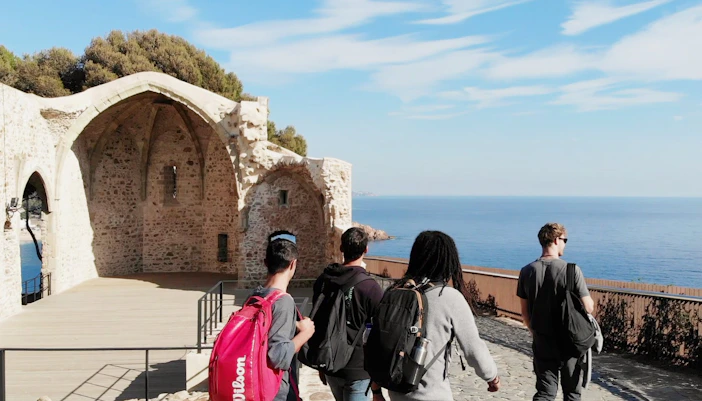
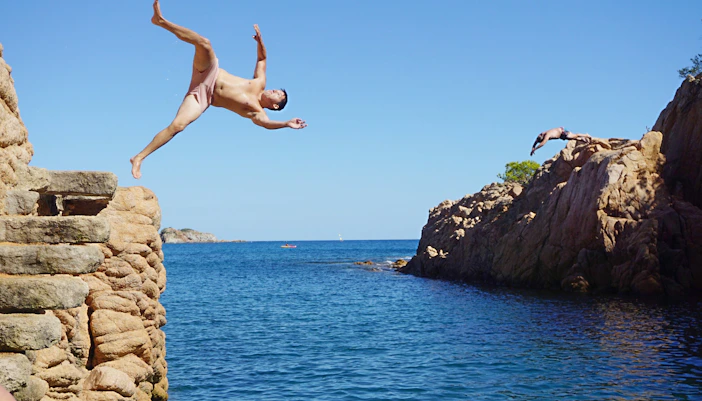
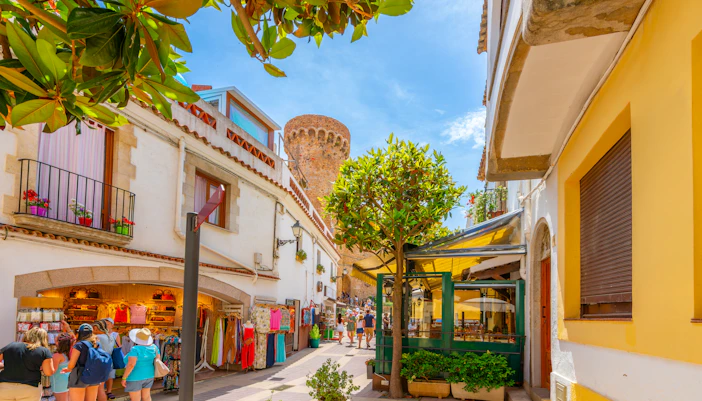
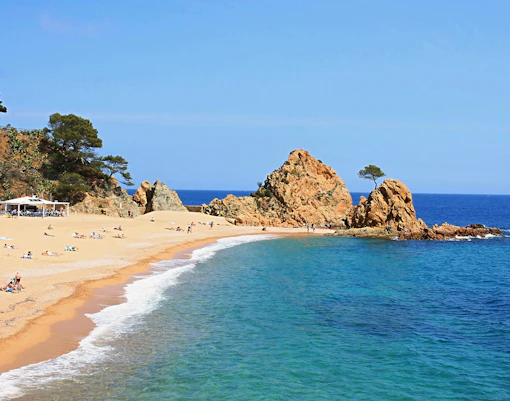
Expect mild temperatures and blooming coastal scenery, ideal for hiking and photography, with fewer crowds than summer and enough warmth for short swims on sunny days.
Best time to travel to Tossa de Mar: A brief guide on local weather conditions
Barcelona to Tossa de Mar day trips typically run as full-day experiences, with morning departures from central Barcelona and evening returns. Most tours start between 8am and 9am, giving you enough daylight for coastal hiking, beach time, and a leisurely lunch, and wrap up by early evening, usually around 6pm–7pm depending on traffic and the exact itinerary.
Best time to visit Tossa de Mar on a tour
Weather and crowd levels are the big deciders for when to book your Barcelona to Tossa de Mar tour.
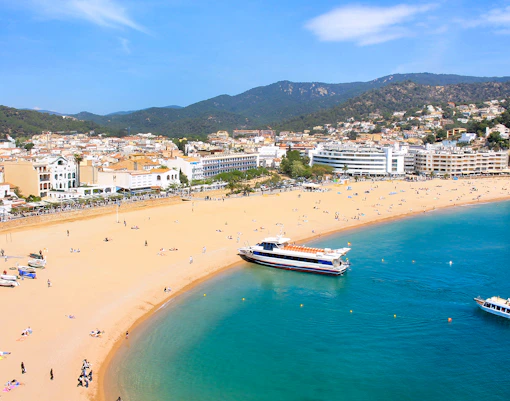
Spring (March–May)
Summer (June–September)
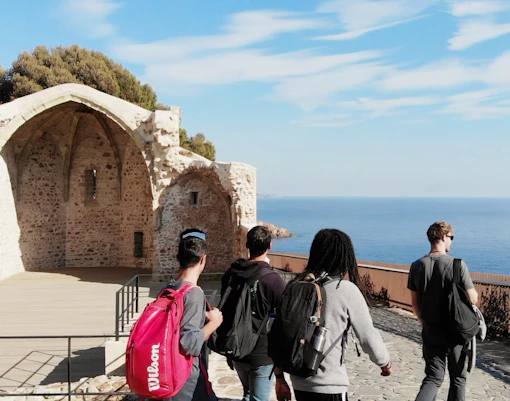
This is peak season, with hot, dry weather, lively beaches, and the warmest sea temperatures for swimming and snorkeling; it’s also when tours run most frequently but can feel busy.
Autumn (October–November)
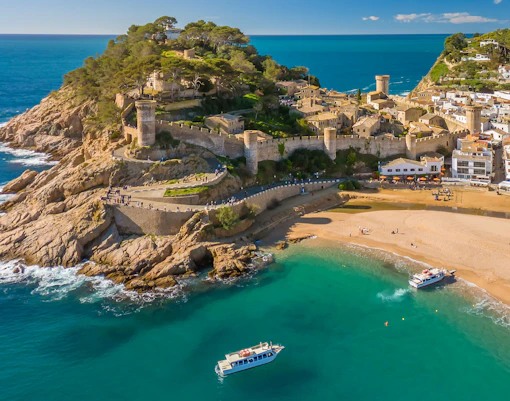
Cooler but still comfortable for exploring, with calmer crowds and softer light, making it great for views from the medieval ramparts and relaxed coastal walks.
Winter (December–February)
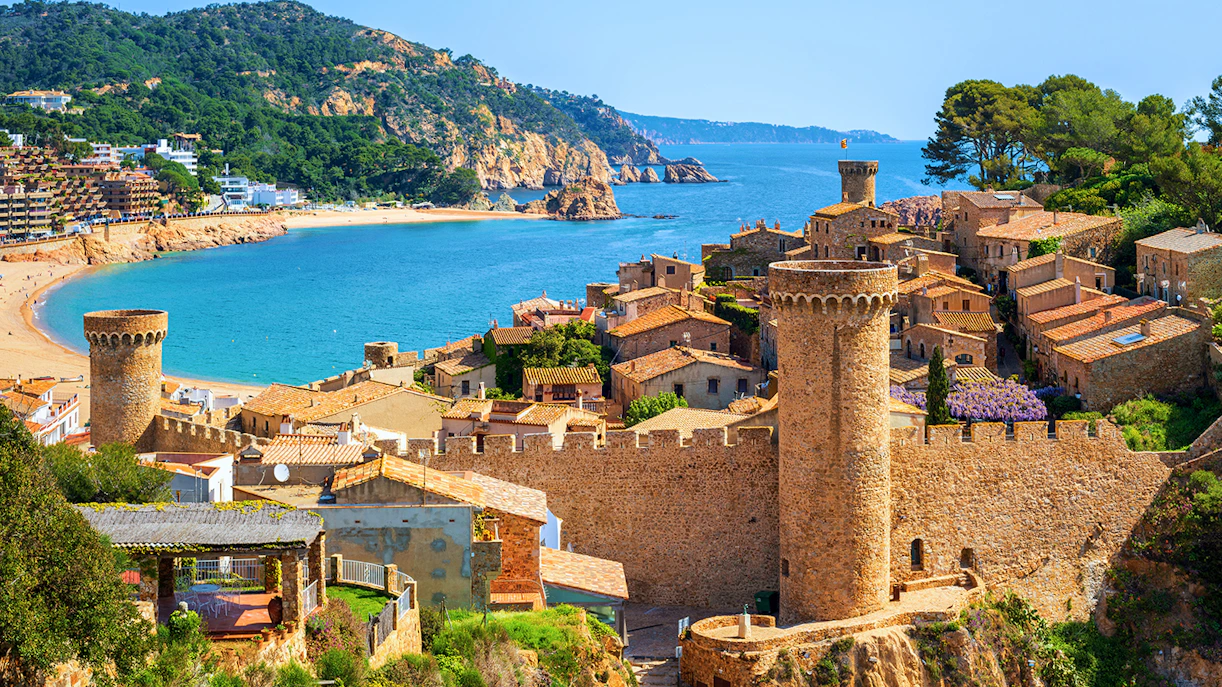
Some tours scale back, and swimming becomes less appealing, but you’ll enjoy peaceful streets and dramatic sea views on clear days; pack layers for chilly winds.
- Weekdays tend to be slightly quieter compared to weekends, which attract both international visitors and local day trippers from Barcelona and other parts of Catalonia.
- Visiting Tuesday to Thursday often means more relaxed walking routes and fewer people at key viewpoints, especially in shoulder seasons.
- Weekend departures are perfect if you enjoy a lively atmosphere on the beaches and in the old town, but you’ll want to book earlier and be ready for busier buses and boats.
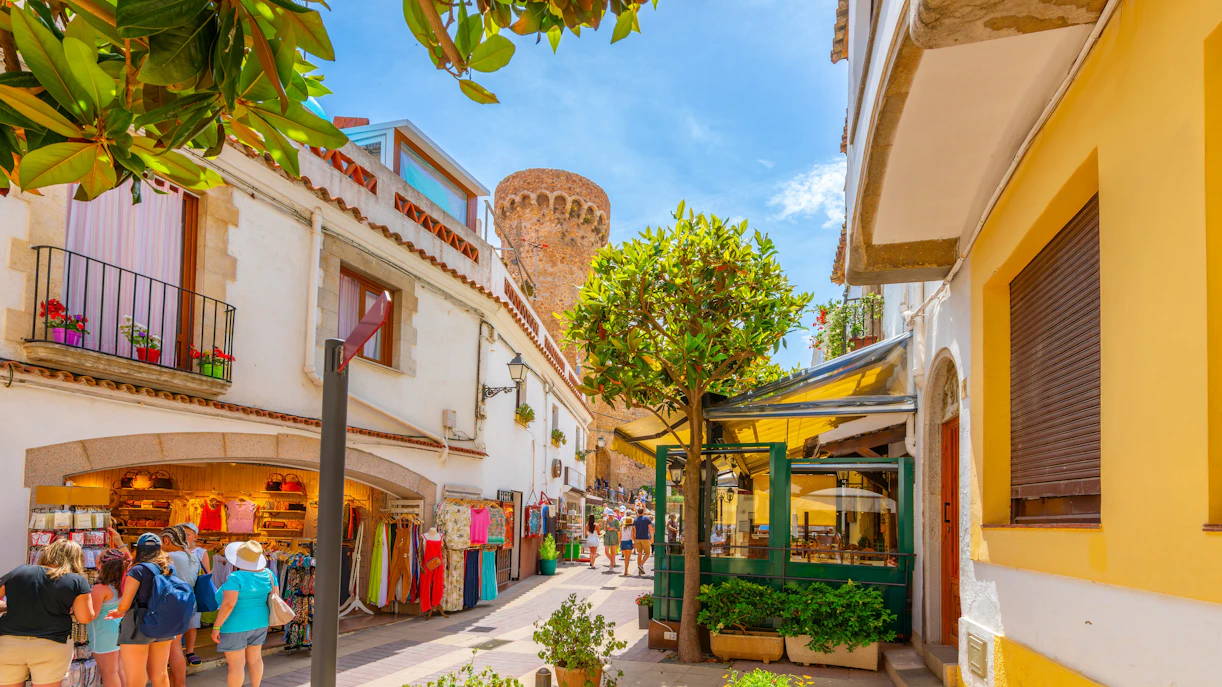
Tour departures from Barcelona are set for the morning, but you’ll experience different moods in Tossa de Mar depending on the time of day once you arrive.
- Late morning: Great for exploring the old town and castle area while temperatures are still comfortable and the light is crisp for photos.
- Early afternoon: The warmest period, perfect for beach time and swimming; bring sun protection, particularly during peak summer.
- Late afternoon & early evening: Soft golden light over the bay and castle makes this the ideal window for scenic viewpoints and relaxed strolls, especially in spring and autumn.
Because most tours return to Barcelona in the early evening, you’ll generally enjoy Tossa de Mar during its best daylight hours, avoiding the very late-night period when transport options thin out.
Weather at Tossa de Mar
Tossa de Mar enjoys a classic Mediterranean climate, with hot, dry summers and mild winters, which shapes how comfortable your tour will feel and what activities you can realistically enjoy. Below is a general month-by-month overview to help you match tour dates to your preferred conditions.
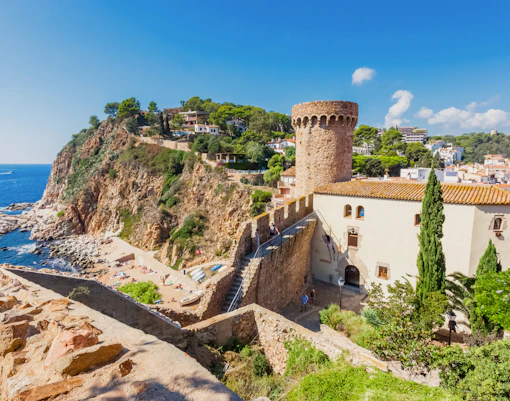
January–February
Cool and often quiet, with average daytime highs in the low teens (°C), chilly sea temperatures, and fewer visitors; better for scenic walks than swimming.
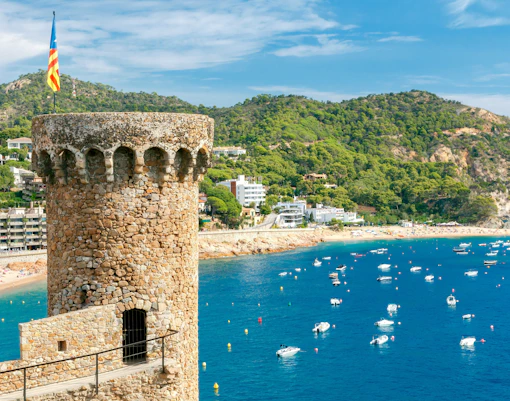
March–April
Mild, with increasing sunshine and blooming coastal flora; light jackets are still useful, but you’ll start to get comfortable hiking weather and clearer views.
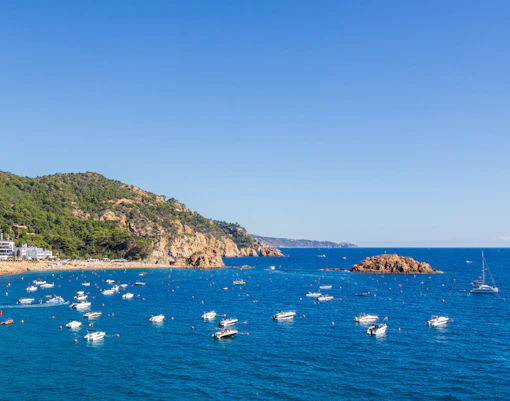
May–June
Warm and bright, marking the start of the popular season, with pleasant sea temperatures and ideal conditions for boat trips and beach time.
July–August
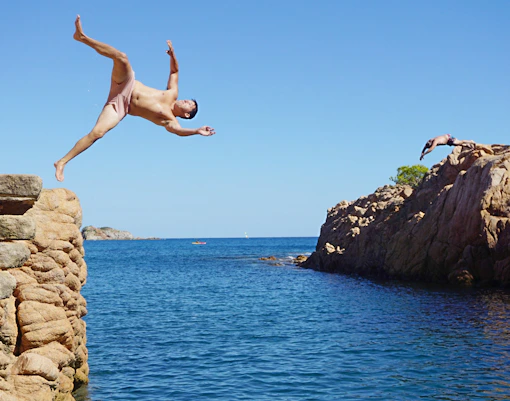
Hot and sunny, with peak beach weather and very warm water, perfect for snorkeling and swimming; this is also the busiest time, so expect crowds and higher demand for tours.
September–October
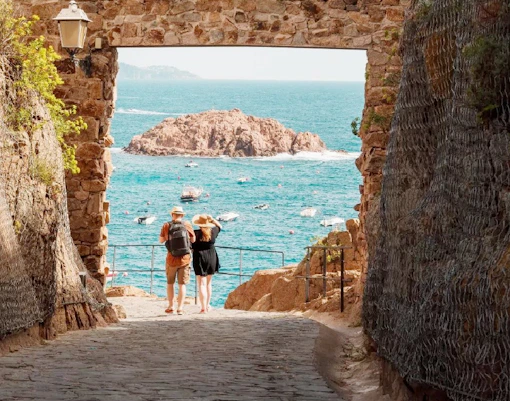
Still warm but more comfortable than high summer, with slightly cooler evenings and great conditions for hiking, coastal boat rides, and photography.
November–December
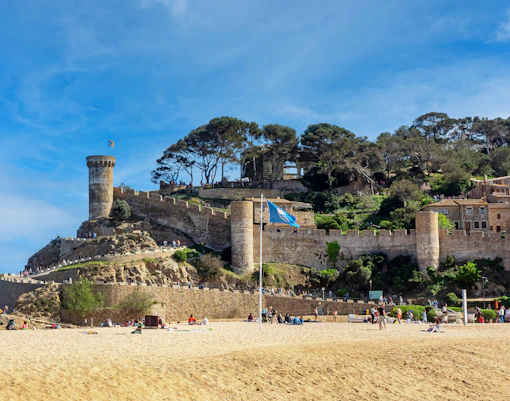
Cooler with more variable weather; sea temperatures drop, and some water-based activities may feel brisk, but the town and viewpoints remain enjoyable on clear days.
If you’re weather-sensitive, aim for late spring or early autumn, when temperatures are pleasant, the sea is swimmable, and crowd levels are moderate. Take a look at this itinerary for ideas on what to do with your free time.
How long to spend on a Barcelona to Tossa de Mar tour
Most organized tours from Barcelona to Tossa de Mar are designed as full-day outings, typically around 10 hours including transport, sightseeing, and free time. Within that, the weather influences how you’ll want to allocate your hours.
2–3 hours
Enough for a focused wander through the old town, castle area, and main viewpoints, ideal on cooler or cloudier days when you’re less likely to linger on the beach.
4–5 hours
Lets you combine sightseeing with a relaxed lunch and a shorter beach or promenade session, perfect for spring and autumn when daytime temperatures are comfortable.
6+ hours, including hikes or boat rides
Best suited to warm and stable weather, giving you time for coastal walking trails, swim or snorkel stops, a boat trip, and unhurried exploration of the town.
When browsing tour options, look at how much time is scheduled in each stop (Girona, Lloret de Mar, Tossa de Mar) and consider whether the season gives you enough daylight and warmth for your preferred mix of activities.
Frequently asked questions about Barcelona to Tossa de Mar tour timings
Yes, Tossa de Mar is accessible year-round, but the number of tour departures and included activities (especially boat rides and swim stops) can vary by season and weather. Here's all you need to know about these tours.
Most day trips depart from Barcelona in the morning, typically between 8am and 9am, to make the most of daylight and allow time for multiple stops or activities.
Returns are generally scheduled for early evening, around 6pm–7pm, depending on the route, traffic, and whether your itinerary includes Girona, Lloret de Mar, or boat segments.
Yes, boat trips are strongly weather-dependent, and operators may adjust or cancel this segment if sea conditions are unsafe or uncomfortable.
Late spring to early autumn (roughly May to September) offers the most reliable combination of warm air temperatures, swimmable sea, and stable conditions for boat rides and hikes.
Advance booking is strongly recommended, especially for summer dates and weekends, as popular tours and time slots can sell out quickly.