Everything you need to know before visiting Barcelona Erotic Museum
The Barcelona Erotic Museum is a compact private museum best known for its 14-room survey of erotic art, objects, films, and curiosities from across cultures and centuries. The visit itself is easy on the legs, but the galleries can feel busier than expected because the museum sits right on La Rambla and attracts plenty of same-day visitors. The biggest difference between a rushed visit and a good one is timing: late evening is livelier, while the first hour after opening is far better for actually reading, listening, and lingering. This guide covers the route, timing, tickets, and the exhibits worth slowing down for.
Quick overview: Barcelona Erotic Museum at a glance
This is a quick, practical read before you pick your slot.
- When to visit: Open daily 10am–midnight, last entry 11:30pm.
- Getting in: You get an Audioguide and a welcome drink for standard entry. Pre-booked online tickets are the easiest option, and while this museum rarely sells out far in advance, summer evenings and weekends are still smoother with a booking already on your phone.
- How long to allow: 45–90 minutes for most visitors. Listening to the full Audioguide, watching the Alfonso XIII films, and lingering in the rooftop garden push you toward the longer end.
- What most people miss: The Picasso Room and the rooftop erotic garden are easy to rush past, and the vintage Alfonso XIII film corner often ends up being more memorable than visitors expect.
- Is a guide worth it? For most visitors, the included Audioguide does the job well; a live guided visit only adds real value if you want deeper context or are visiting as a private group.
Jump to what you need
Where and when to go
How do you get around Barcelona Erotic Museum?
Where are the masterpieces inside Barcelona Erotic Museum?
Ancient civilizations room
Era: Ancient world
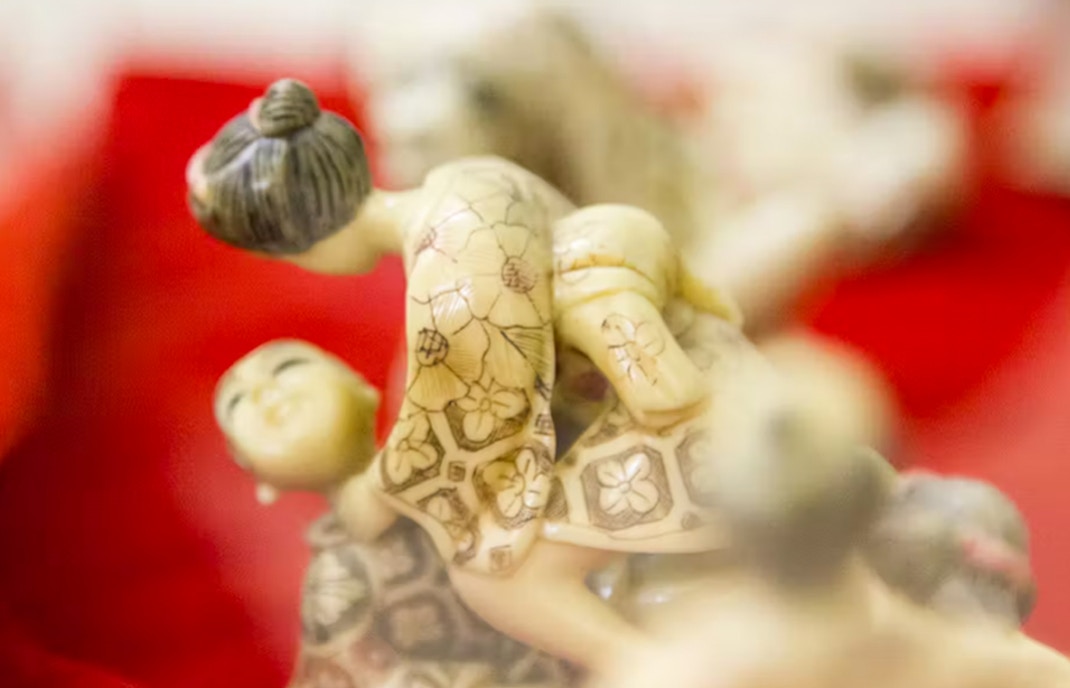
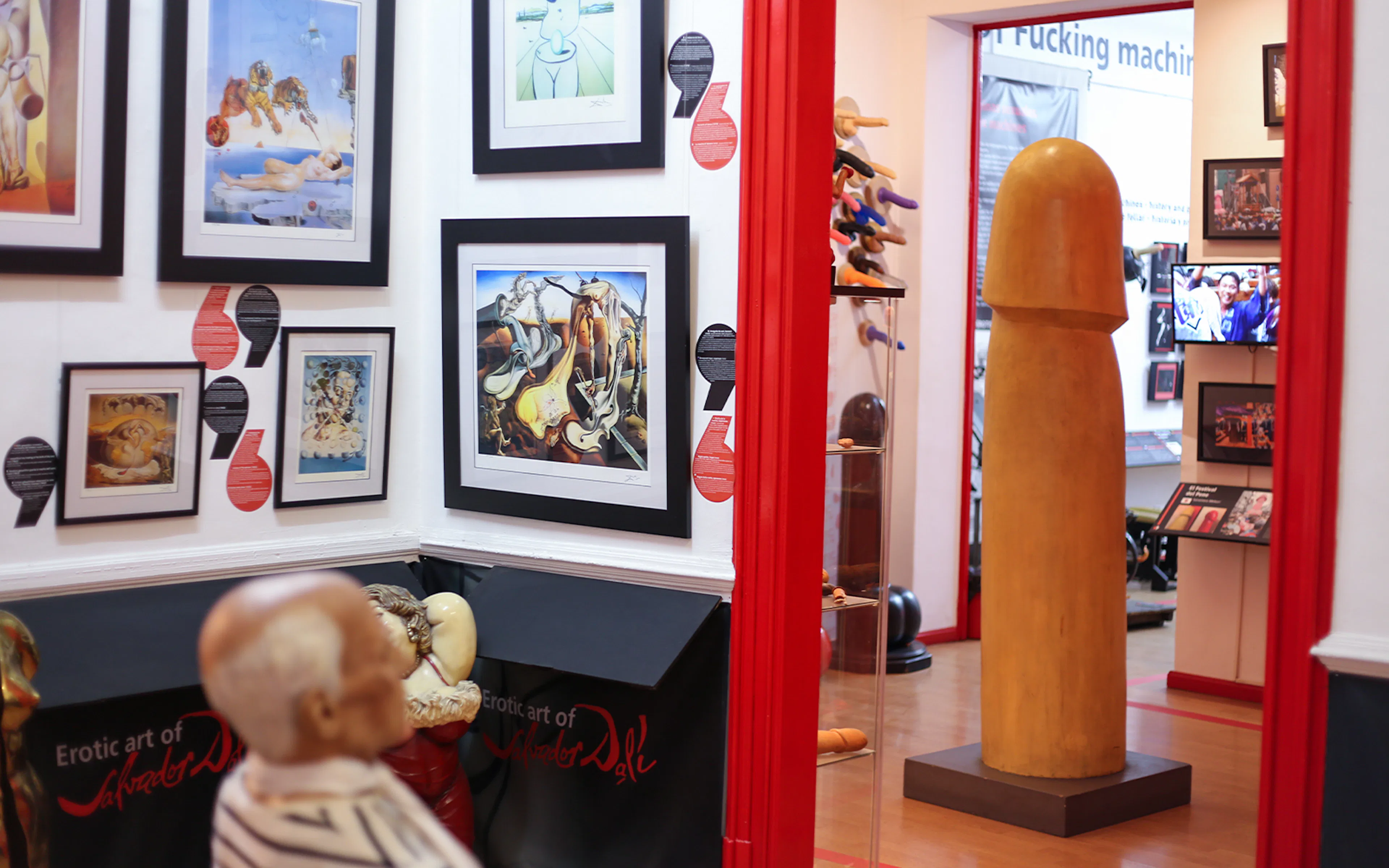
This is where the museum makes its strongest case for being more than a novelty stop. You’ll see how erotic imagery appeared in fertility objects, classical art, and everyday items long before modern taboos hardened around it. What most visitors miss is how varied the tone is here: some objects are devotional, some humorous, and some surprisingly blunt.
Where to find it: Near the start of the museum route, in the early-history galleries.
Picasso Room
Artist: Pablo Picasso
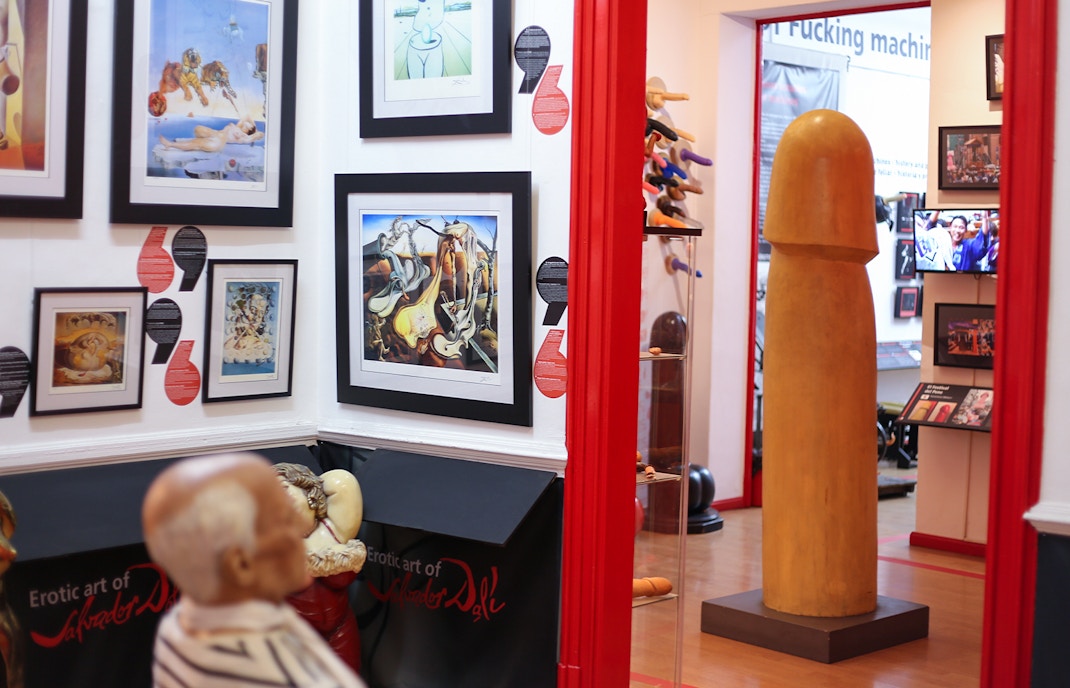
The Picasso Room is easy to underestimate because visitors often arrive expecting only cheeky curiosities, then find one of the museum’s most serious art stops. The erotic sketches here show how even a major 20th-century artist treated sensuality as part of his visual language. What people rush past is the contrast between these works and the more playful rooms around them.
Where to find it: Midway through the route, after the broader art-focused rooms.
Alfonso XIII erotic films
Medium: Early 20th-century film
This small screening area loops rare pornographic shorts linked to King Alfonso XIII, and it is one of the museum’s most talked-about spaces for good reason. The films matter not just for shock value, but because they capture a fragment of Spanish film history that almost disappeared. What many visitors miss is the Barcelona connection: these films tie directly into the city’s own past.
Where to find it: In the screening room later in the visit, often one of the busiest corners.
Records and oddities room
Theme: Sexual records and curiosities
If the earlier rooms are about art and history, this one leans into the museum’s comic, conversation-starting side. Displays on world records, strange devices, and unusual objects keep the tone playful without losing the museum’s curiosity-driven approach. What most people rush past is the antique technology, especially the early 20th-century devices that show how long the market for sexual gadgets has existed.
Where to find it: In the later galleries, close to the museum’s more modern and novelty-focused displays.
Fetish room
Theme: BDSM and fetish culture
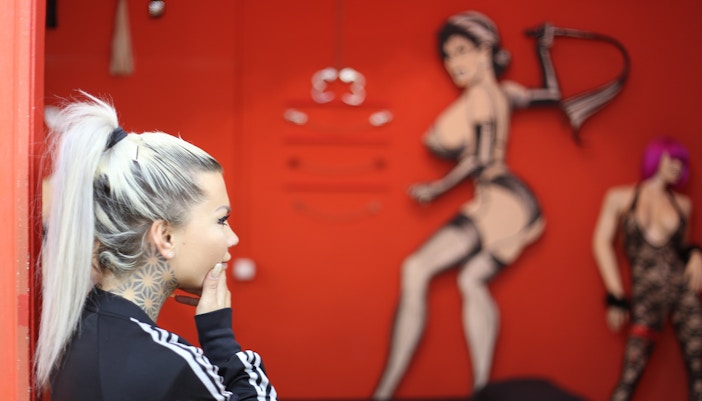
This room is less about shock than atmosphere. Vintage whips, corsets, and red-room styling give you a condensed look at how fetish culture has been aestheticized, documented, and commercialized over time. What people often miss is that it works best when read as a design and subculture room, not just a collection of props.
Where to find it: Toward the end of the main route, before the final terrace area.
Erotic garden
Feature: Rooftop terrace
The erotic garden is the best place to decompress after the denser interior rooms. It is small, playful, and memorable, with sensual sculptures and enough separation from La Rambla below to feel like a genuine end point rather than an afterthought. What many visitors miss is that your included drink makes most sense here, not in a hurry halfway through.
Where to find it: At the end of the visit, after the interior galleries.
Facilities and accessibility
- Welcome drink: Every standard ticket includes cava, juice, or water, and it makes the most sense as a finish to the visit rather than a quick stop at the start.
- Rooftop garden: The small terrace at the end of the route gives you a breather after the denser indoor rooms and doubles as the museum’s best resting spot.
- Gift shop / merchandise: The museum has an on-site shop with erotic-themed souvenirs, books, postcards, and novelty gifts that fit the tone of the visit.
- Elevator: There is an elevator from street level up to the exhibition floor, which matters because the museum sits above the busy La Rambla entrance.
- Seating / rest areas: The screening room and rooftop garden are the two places where you are most likely to pause rather than keep moving through displays.
- Accessibility: The museum is not wheelchair accessible. There is an elevator from street level to the exhibition floor, but the overall layout and some gallery spaces present barriers for wheelchair users.
- Visual impairments: The Audioguide helps with context, but some rooms are dimly lit for atmosphere, so low-vision visitors may find labels harder to read than in a traditional museum.
- Cognitive and sensory needs: Weekday late mornings are the least intense time to visit, while evening slots feel busier, and the film room is usually the most crowded visual focal point.
- Families and strollers: Entry is restricted to 18+, so this is not a stroller-friendly or child-oriented attraction, even though the route itself is short.
This museum is adults-only, so it is not suitable for children and does not admit anyone under 18.
- Time: Not applicable in the usual family sense, because you will need separate childcare if adults in your group want to visit.
- Facilities: There are no child-focused facilities, exhibits, or family services because the museum is designed entirely for adult visitors.
- Engagement: If you are traveling as a group with mixed interests, this works better as a short adults-only stop while others explore La Boqueria or the lower part of La Rambla.
- Logistics: Visit with a small bag and a clear 1-hour window, because this is easiest to fit in while another adult watches children elsewhere nearby.
- After your visit: La Boqueria and Plaça Reial are both close enough to regroup quickly after the adults-only visit ends.
Rules and restrictions
Practical tips
- Booking and arrival: You can often book this museum on the same day, but summer evenings and weekends are smoother if you already have the ticket on your phone before you reach La Rambla.
- Pacing: Don’t race to the novelty displays first; the strongest cultural payoff is in the early history and art rooms, while the record-breakers and oddities work better once you already understand the museum’s tone.
- Crowd management: The best slot for a first visit is the first hour after opening on a weekday, because the compact galleries are easier to enjoy before evening walk-ins bunch up around the film room.
- What to bring or leave behind: Bring a small bag and headphones-friendly attention span, not a packed shopping haul from La Rambla, because the museum is compact and the route feels tighter once it gets busy.
- Food and drink: Treat the included cava, juice, or water as a rooftop end point, not a substitute for a real meal; if you are hungry, eat at La Boqueria before going in and keep the museum as a 1-hour cultural stop.
- Photos: If you want cleaner photos, save the rooftop garden and quieter art rooms for the end of a morning visit rather than trying to shoot around evening groups.
- Expectations: This is not a half-day museum, so pair it with nearby stops like La Boqueria, Palau Güell, or Plaça Reial instead of over-allocating your afternoon to it.
What else is worth visiting nearby?
Eat, shop and stay near Barcelona Erotic Museum
- On-site: There is no full café, but your ticket includes cava, juice, or water, which is best saved for the rooftop garden at the end of the visit.
- La Boqueria (1-min walk, La Rambla 91): Market stalls, tapas, fruit cups, and quick bites that work well if you want to eat before going in.
- Café de l’Òpera (2-min walk, La Rambla 74): Coffee, pastries, and light meals in a classic La Rambla setting that suits a slower pre-evening stop.
- Bar Cañete (6-min walk, Carrer de la Unió 17): Tapas in a more substantial sit-down format if you want to turn the museum into part of a date-night plan.
- 💡 Pro tip: Eat before entering if you want a real meal, then use the included drink as your finish, because the museum itself only needs about 1 hour.
- Museum gift shop: Erotic-themed souvenirs, postcards, books, and novelty gifts at the museum itself, best if you want something playful that matches the visit.
- La Boqueria: Food gifts, sweets, and market buys across the street, which are better value than generic La Rambla souvenirs if you want something edible to bring back.
- La Rambla kiosks: Convenient for postcards and quick souvenirs, but use them for convenience rather than quality.
Staying around lower La Rambla is convenient if this museum is only one stop on a short, central itinerary, and you want to walk everywhere. The trade-off is noise, tourist traffic, and a neighborhood feel that is more practical than charming. It works best for short stays, not for travelers who want a calmer base.
- Price point: The area skews mid-range to high for what you get, with a premium attached to being able to walk to central sights.
- Best for: Visitors on a quick city break who want La Rambla, the Gothic Quarter, and the waterfront within easy walking distance.
- Consider instead: El Born gives you a more atmospheric base with better evening food options, while Eixample is a stronger fit for longer stays, better hotels, and quieter nights.
Frequently asked questions about visiting Barcelona Erotic Museum
Most visits take 45–90 minutes. If you listen to the full Audioguide, spend time in the Picasso and film rooms, and use your drink in the rooftop garden, you will be closer to 1.5 hours than 45 minutes.
No, you usually do not need to book far in advance. Many visitors buy within 48 hours, and same-day entry is common, but booking online is still the easiest way to skip the small entrance desk and walk straight in.
Arrive 5–10 minutes early if you booked online. The museum is compact and fairly easy to enter, so you do not need the 30-minute buffer you would build in at a major landmark.
Yes, a small bag is the easiest option for this visit. The museum is compact, some corridors are narrow, and you will enjoy it more if you are not carrying bulky shopping or larger luggage from around La Rambla.
Yes, casual personal photos are part of the appeal for many visitors. The main issue is not strict photo policing but space, because some rooms are small and the film area can get crowded during busy evening slots.
Yes, and groups are common here, especially couples, friends, and bachelor or bachelorette parties. If you want more structure, the museum also offers guided and private group formats on request.
No, the museum is adults-only and does not admit anyone under 18. If you are traveling with children, plan this as a separate short stop while another adult handles childcare elsewhere nearby.
No, the museum is not wheelchair accessible. An elevator connects the street level to the exhibition floor, but the gallery layout is not suitable for wheelchair users throughout.
Yes, but mainly near rather than inside the museum. Your ticket includes a drink, and La Boqueria is directly across La Rambla if you want anything from a quick snack to a more filling pre-visit meal.
The best time to visit is weekday late morning, ideally in the first hour after opening. That window gives you more room in the galleries, easier photos, and a less crowded film room than the popular 8pm–10pm evening stretch.
It is more educational than many first-time visitors expect. The museum mixes humor and shock value with genuine art, historical context, and themed rooms that show how erotic expression has changed across cultures and centuries.