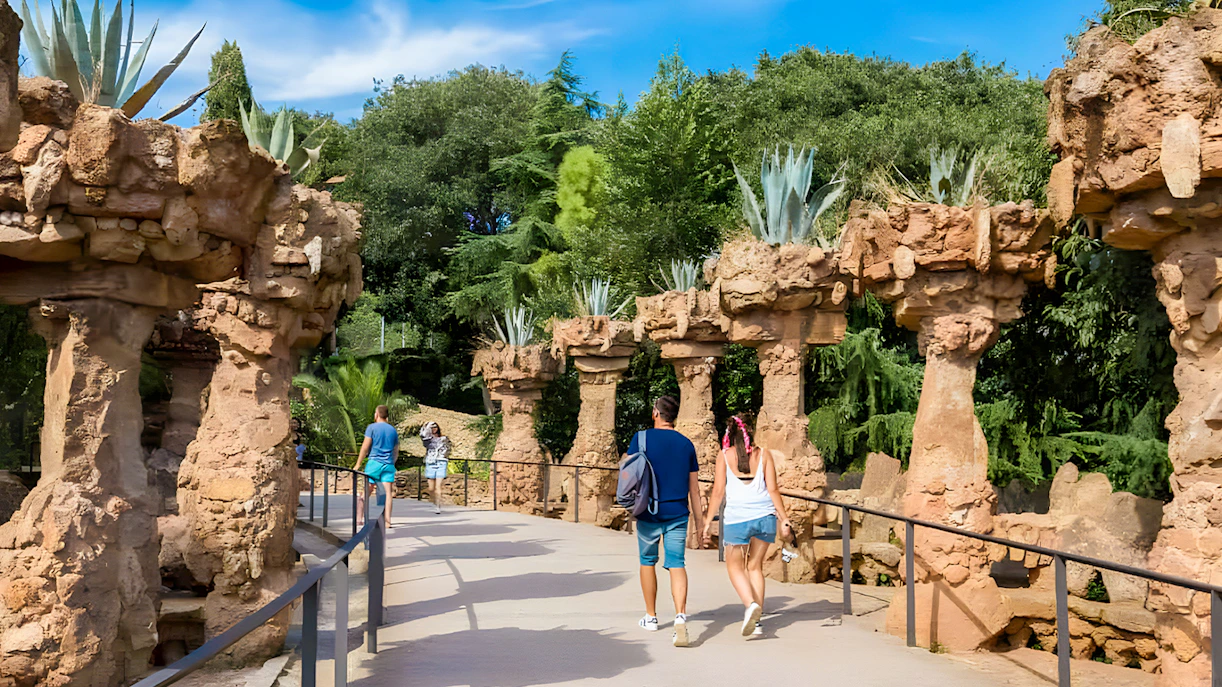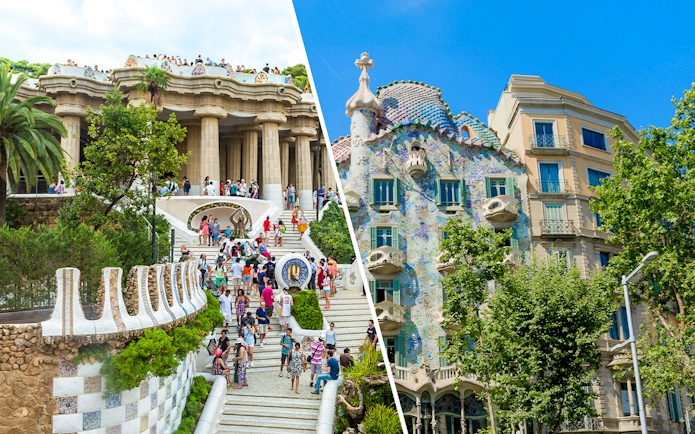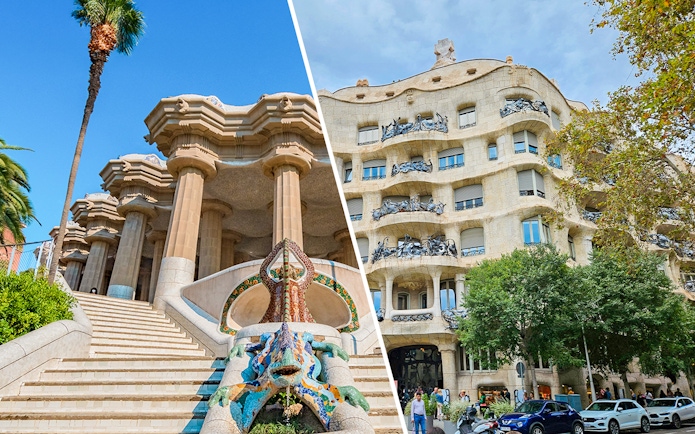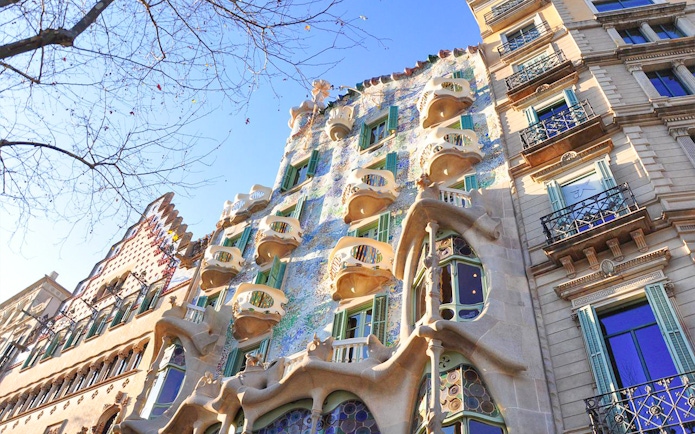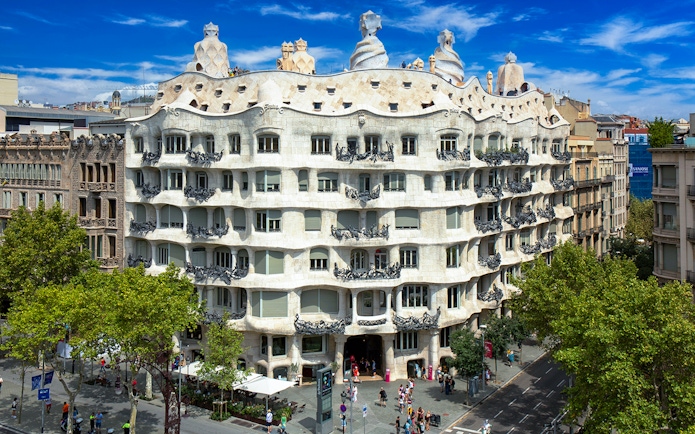
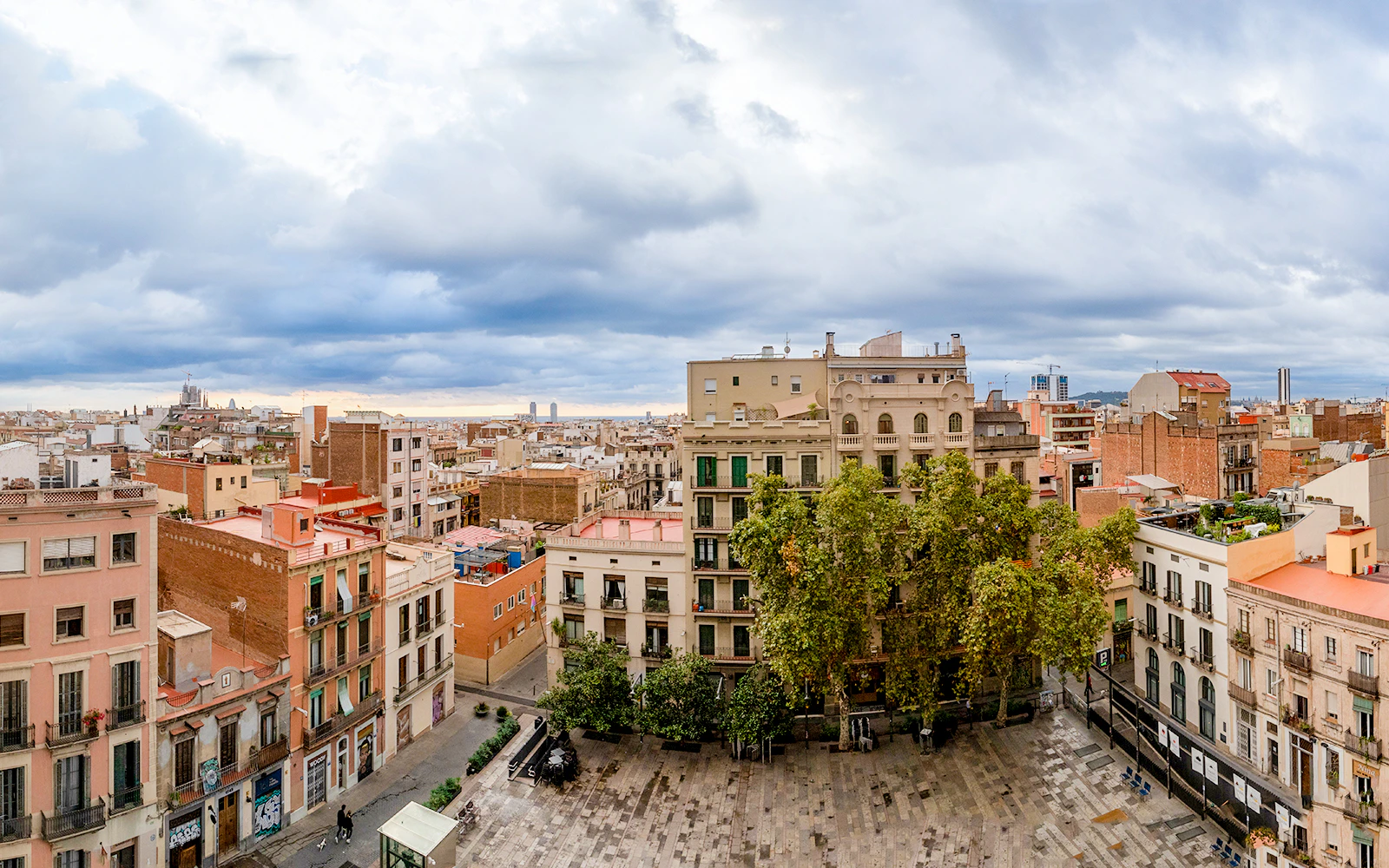
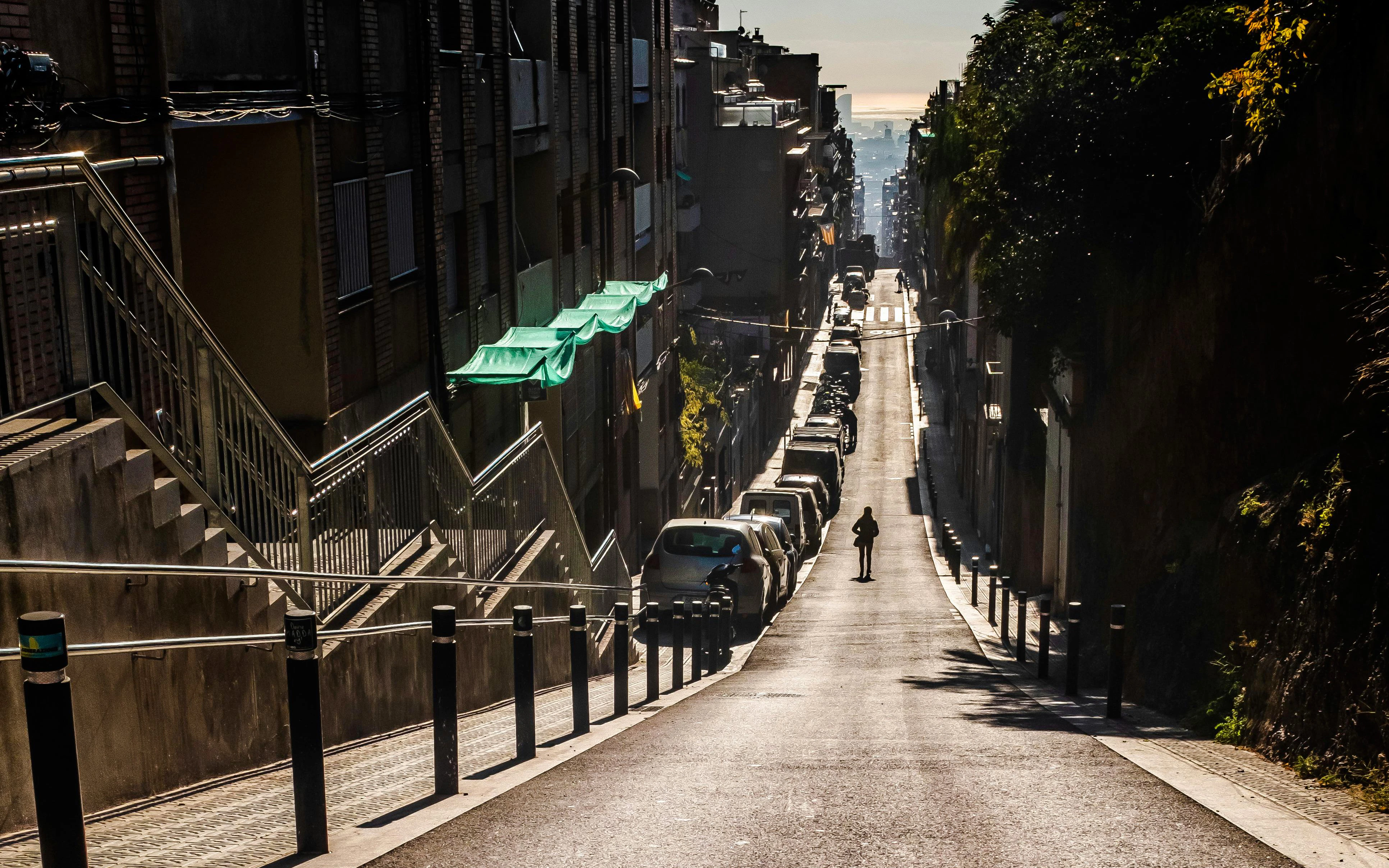
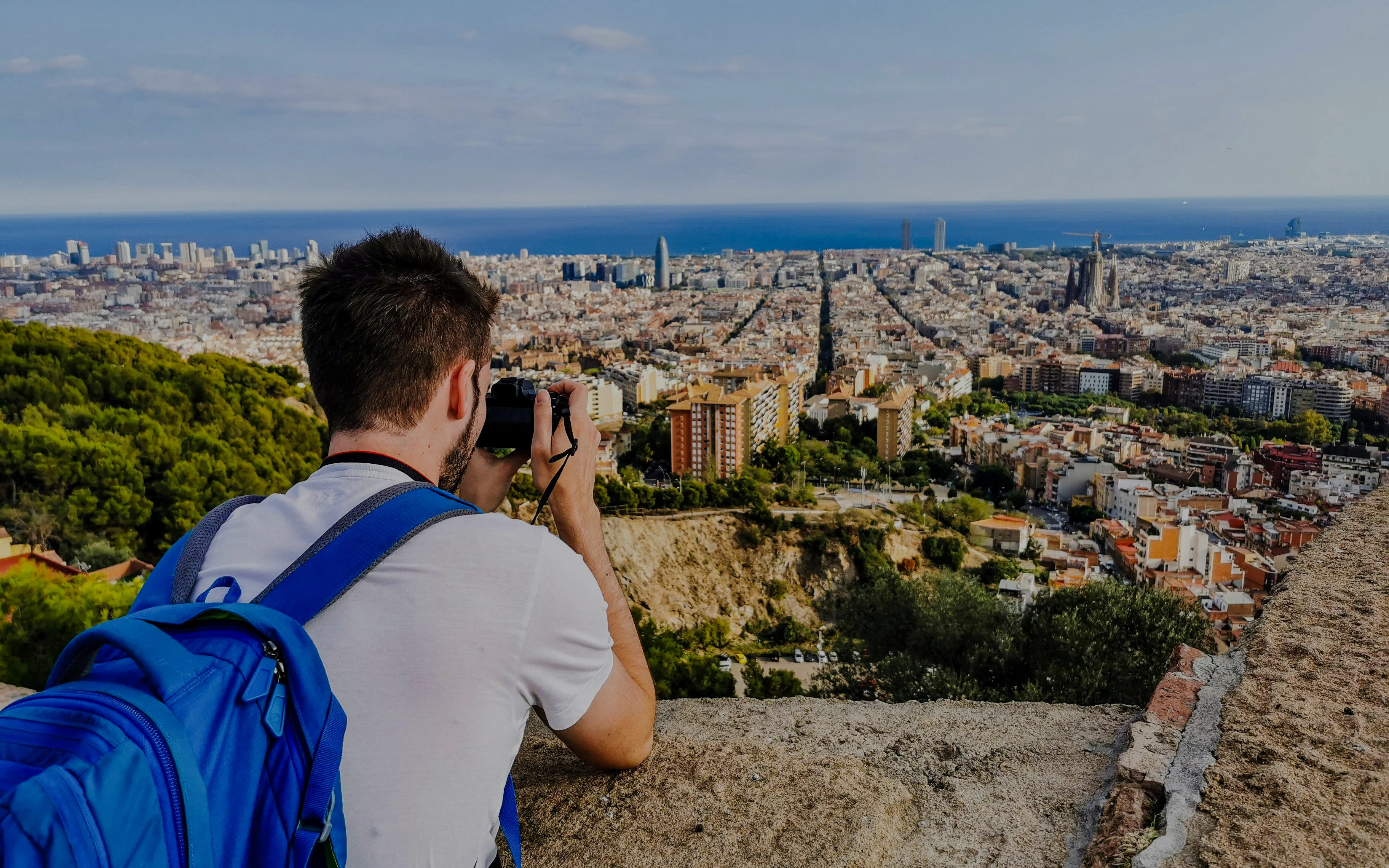
Neighborhood at a glance

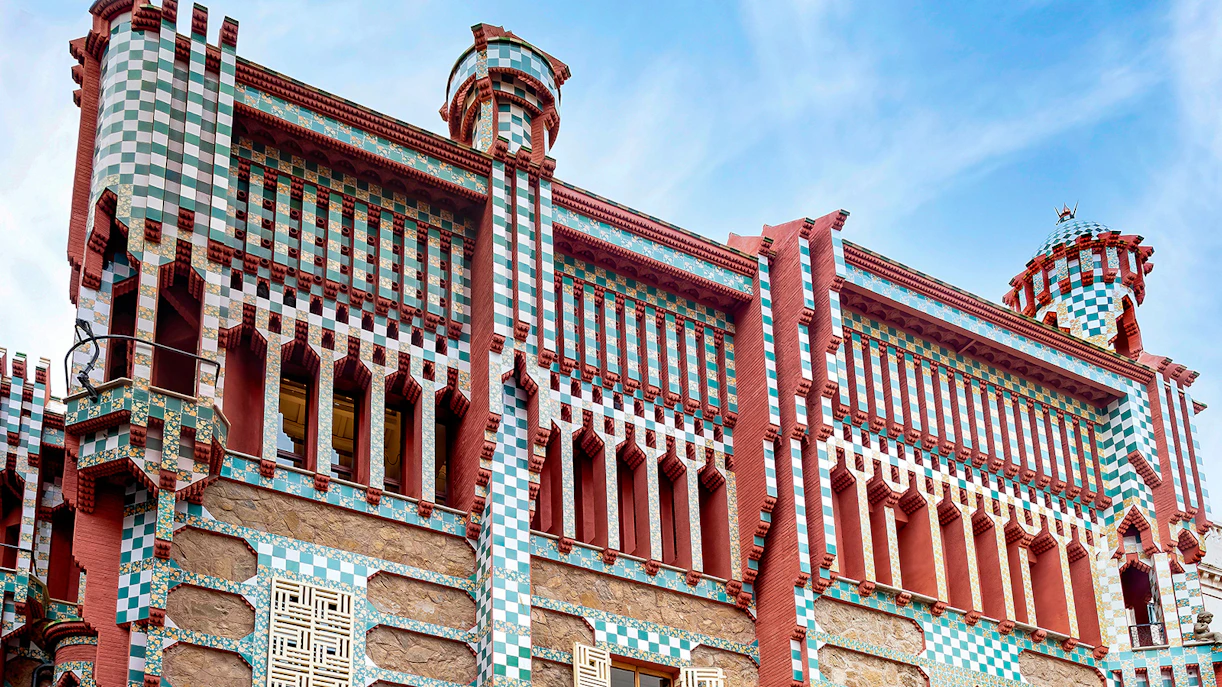
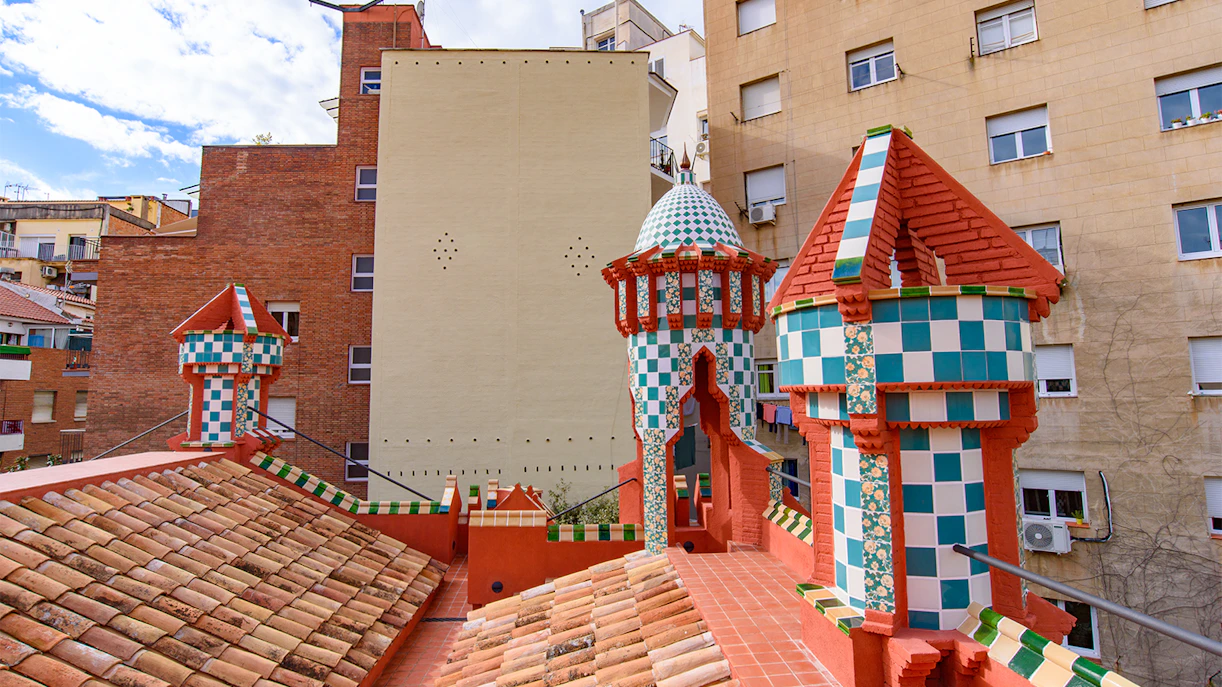
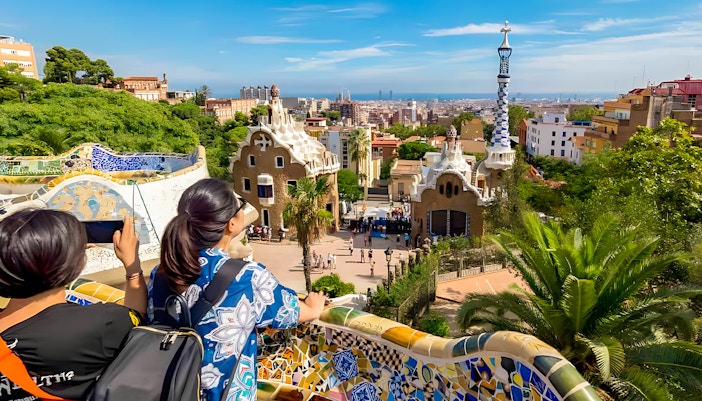
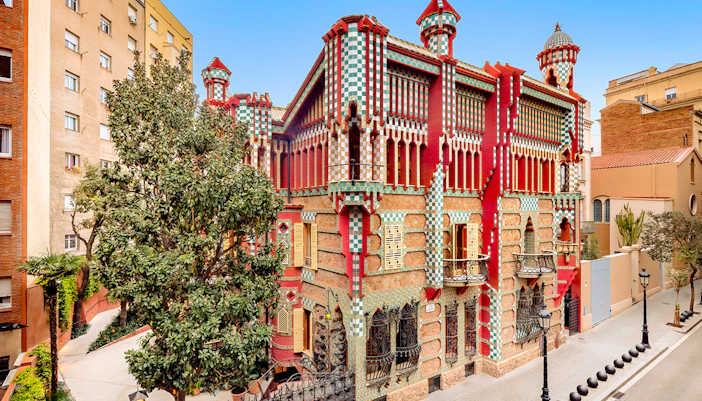
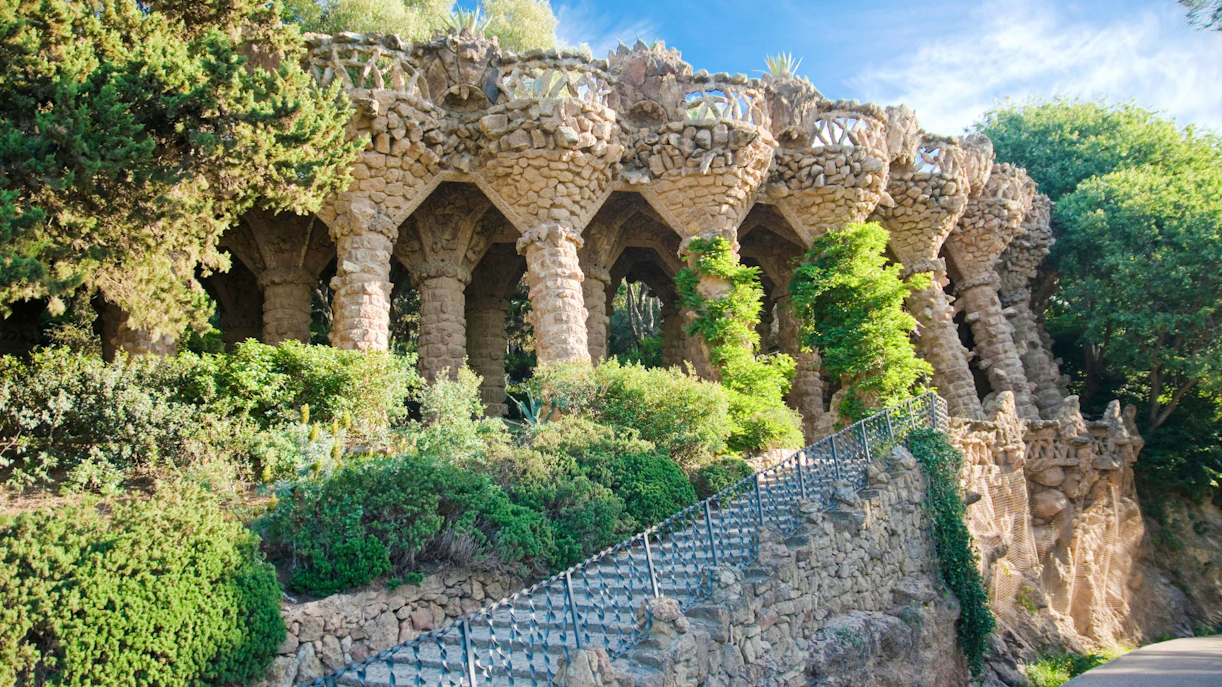
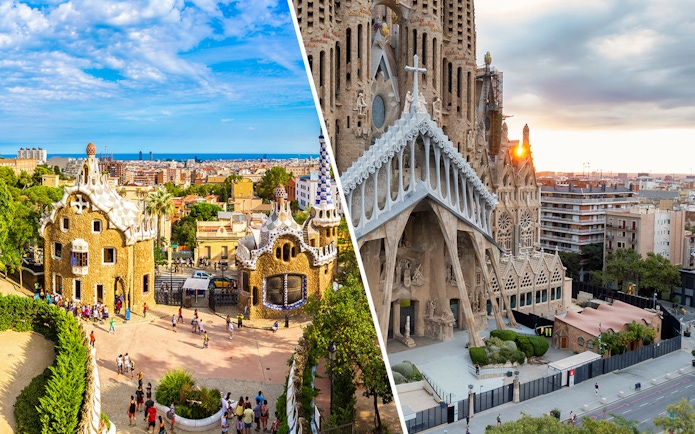
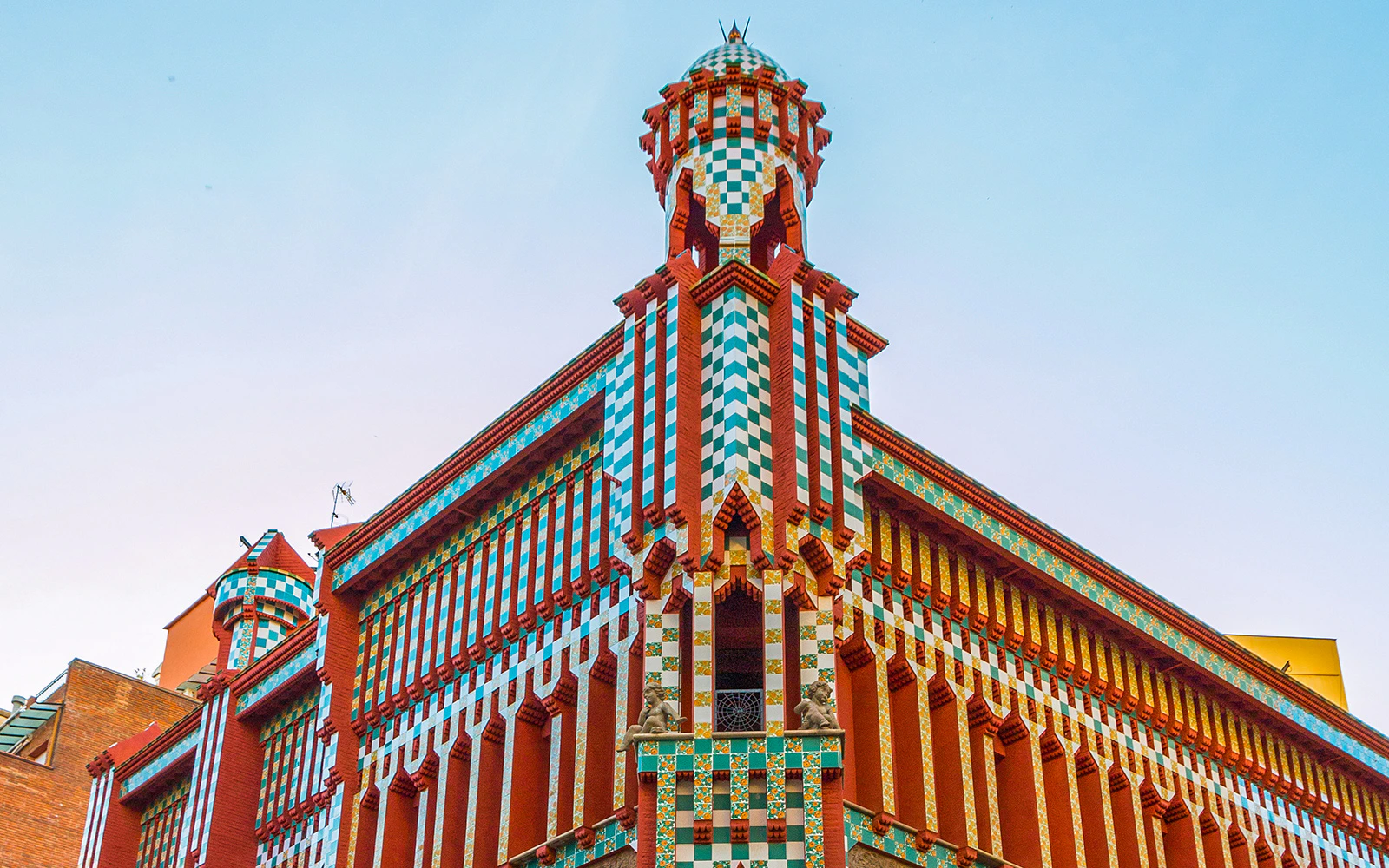
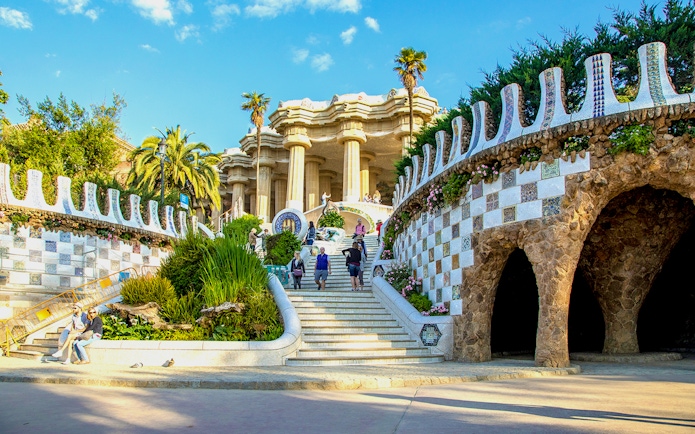
  • Why visit: Gràcia gives you Barcelona beyond the big boulevards, with village-style squares, Casa Vicens, and quick access to Park Güell on the upper edge.
  • Atmosphere: Residential, square-based, late-night, hilly.
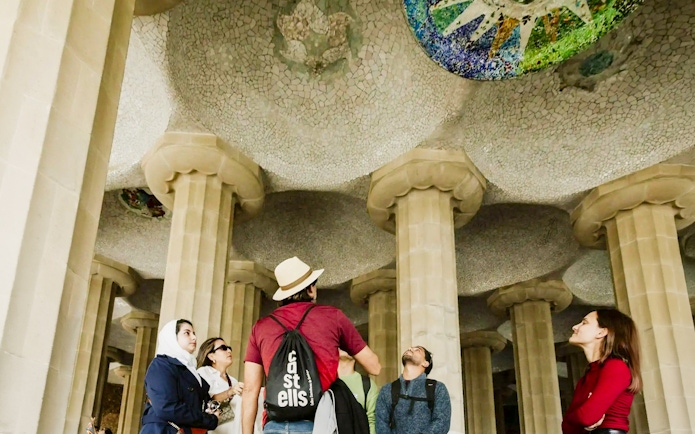
  • Top things to do: Visit Park Güell, tour Casa Vicens, linger in Plaça del Sol, browse Mercat de la Llibertat.
  • Best for: Repeat visitors, food-focused travelers, architecture fans, couples.
  • Time needed: 3–5 hours.
  • Best time to visit: Late morning for markets and cafés, or early evening when the squares fill up but before dinner crowds peak.
  • Nearby: Park Güell, Casa Vicens, La Pedrera-Casa Milà, Casa Batlló, Bunkers del Carmel, Passeig de Gràcia.

Top things to do in Gràcia

Pro tip

If you’re combining Park Güell with central Gràcia, start uphill first and walk back down through Carrer de Verdi and Plaça del Sol — the neighborhood makes more sense on the descent than on the climb.

Quick navigation

🏛️ Why visit  | 🎟️ Best ways to explore |🧭 Plan your visit | 🌟 Free things to do | 📋 Itinerary | 💡 Tips |🍴 Dining

Best ways to explore Gràcia

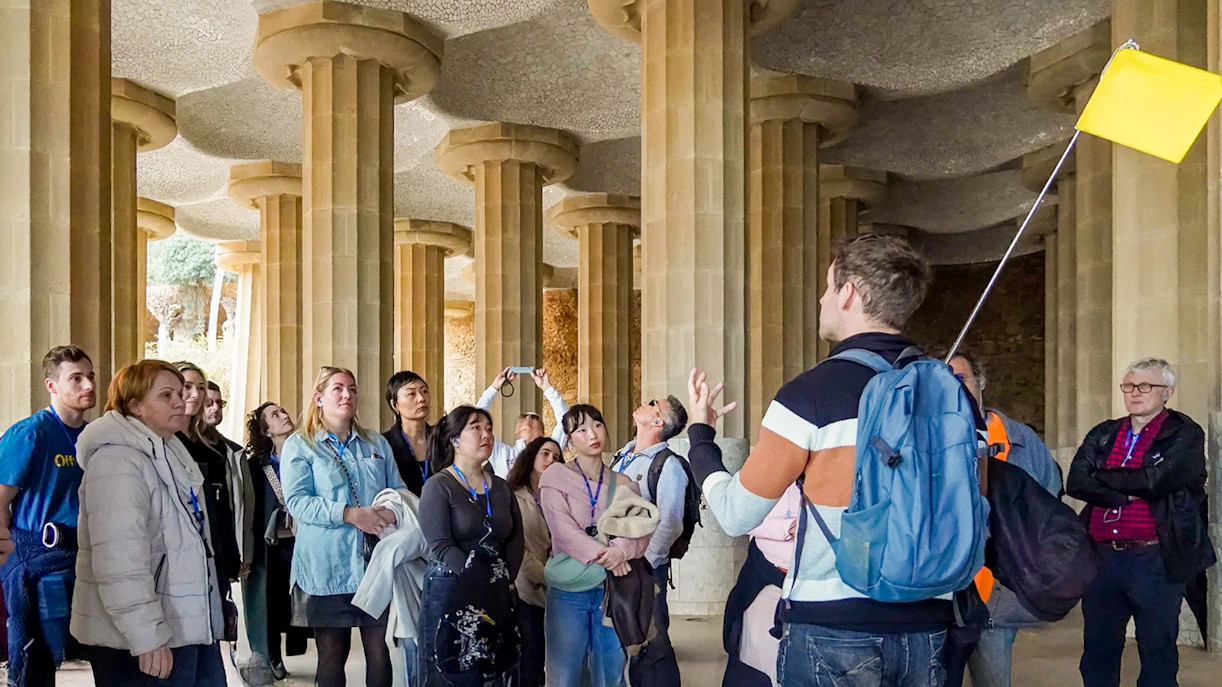
Gràcia rewards guided walks because the appeal is in the street pattern, squares, and social history as much as the landmarks. A good route links Casa Vicens, Carrer Verdi, Plaça de la Virreina, Plaça del Sol, and the old village streets around Plaça de la Vila de Gràcia.

Pro tip

If your main reason for being in Gràcia is Gaudí, don’t treat Park Güell as a standalone hilltop stop. Pair it with La Pedrera-Casa Milà Skip-the-Line Tickets with Audio Guide or Casa Batlló Timed Entry Ticket so the neighborhood connects naturally to the rest of Gaudí’s Barcelona.

Plan your visit

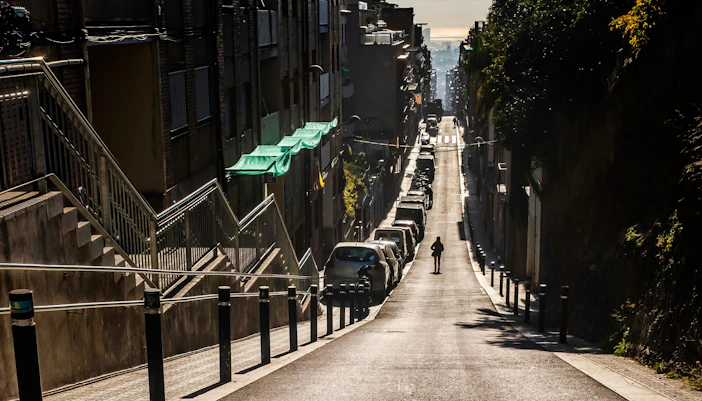
Gràcia is easiest to understand in two parts: the flatter village core around Gran de Gràcia and the upper slopes toward Park Güell. The core is very walkable, but any day that includes Park Güell or the Carmel ridge needs extra time for hills.

Pro tip

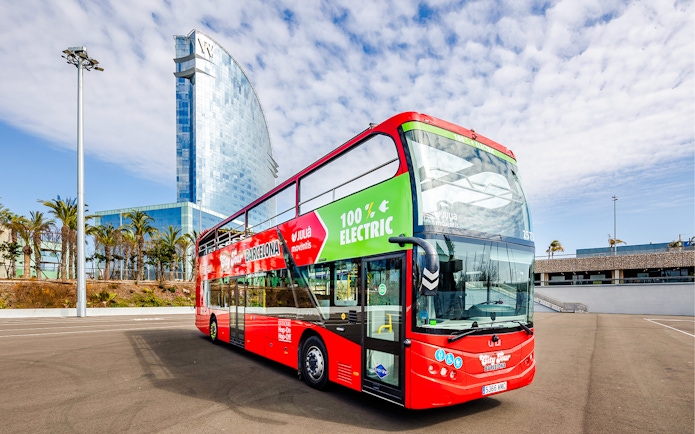
The strongest fit here is Barcelona City Tour: Hop-on Hop-off Bus Tour because it helps you bridge upper Gràcia and nearby Gaudí sights without repeating uphill walks. Use it for Park Güell first, then rejoin the city at Casa Batlló or La Pedrera on the edge of Gràcia.

Free things to do in Gràcia

Suggested itinerary for visiting Gràcia

Gràcia is compact enough for a walking itinerary, but the order matters because of the hills. Start with the highest point you plan to visit, then work downhill into the village core where the day slows naturally.

Tips for visiting Gràcia

  • If you’re visiting Park Güell, use the Carretera del Carmel entrance if walking uphill is not part of your personal growth plan. It’s the flattest approach and makes the return into Gràcia much easier.
  • For a cleaner Gràcia walk, arrive via Fontana and leave via Diagonal or Passeig de Gràcia. That keeps you moving downhill and avoids repeating the same streets.
  • Don’t eat right outside Park Güell unless convenience matters more than value. Prices and quality are usually better once you’re back around Plaça del Sol, Carrer Verdi, or Mercat de la Llibertat.
  • The best low-effort photo stop in the core is not the busiest part of Plaça del Sol but the edge of Plaça de la Virreina facing the church in late afternoon. The light lands more cleanly on the stone and the square stays less cluttered.
  • If you want a seat in the evening around Plaça del Sol, go before 8pm and hold it. After that, the square can turn into a long hunt for one empty chair.
  • Mercat de la Llibertat works better as a late-morning stop than an end-of-day one. You’ll see more active counters, and nearby lunch places are just starting service.
  • If you’re using the metro, check your exit before you come above ground at Fontana. The area around Gran de Gràcia is easy to navigate once oriented, but first exits can feel more commercial than the quieter streets you probably came for.
  • Gràcia is very walkable across the lower core, but the jump from Plaça del Sol to Park Güell is not a casual five-minute wander. Give yourself at least 25–35 minutes uphill or take transport one way.

Dining in Gràcia

Must-eat tip

At Casa Pagès on Carrer de la Llibertat, order botifarra amb mongetes if you want one plate that explains Catalan everyday cooking better than a dozen random tapas.

Should you stay in Gràcia?

Short answer: Yes, if you want neighborhood life and evenings in real squares rather than around the old center. Less ideal if you want to walk everywhere from your hotel or avoid late-night terrace noise.

  • The vibe — Early mornings in Gràcia feel residential and practical; evenings around Plaça del Sol and Plaça de la Vila de Gràcia get louder and more social. It feels lived-in after day visitors leave, which is the main reason to stay here.
  • The logistics — You’ll find fewer big hotels than in Eixample or around Plaça de Catalunya, and more boutique stays, guesthouses, and apartments. Streets can be narrower, buildings older, and rooms smaller, but you gain a more grounded base.
  • Who it’s for — Good for couples, repeat visitors, solo travelers, and food-focused travelers who don’t need to be beside the Gothic Quarter. Less good for travelers who want a door-to-door monument checklist, heavy luggage convenience, or quiet nights right off the square.
  • Top recommendation — Look around Plaça de la Virreina, Carrer de Verdi, or the streets between Fontana and Mercat de la Llibertat. This pocket gives you walkability and dining without putting you directly on the noisiest part of Plaça del Sol.

Explore other neighborhoods in Barcelona

Frequently asked questions about Gràcia

Not exactly. Park Güell sits on the upper edge of the broader Gràcia area, closer to the hill than to the café-and-square core around Fontana and Plaça del Sol. Many visitors say they’re “in Gràcia” when they only visit Park Güell, but the neighborhood proper makes more sense once you walk back down into the lower streets.