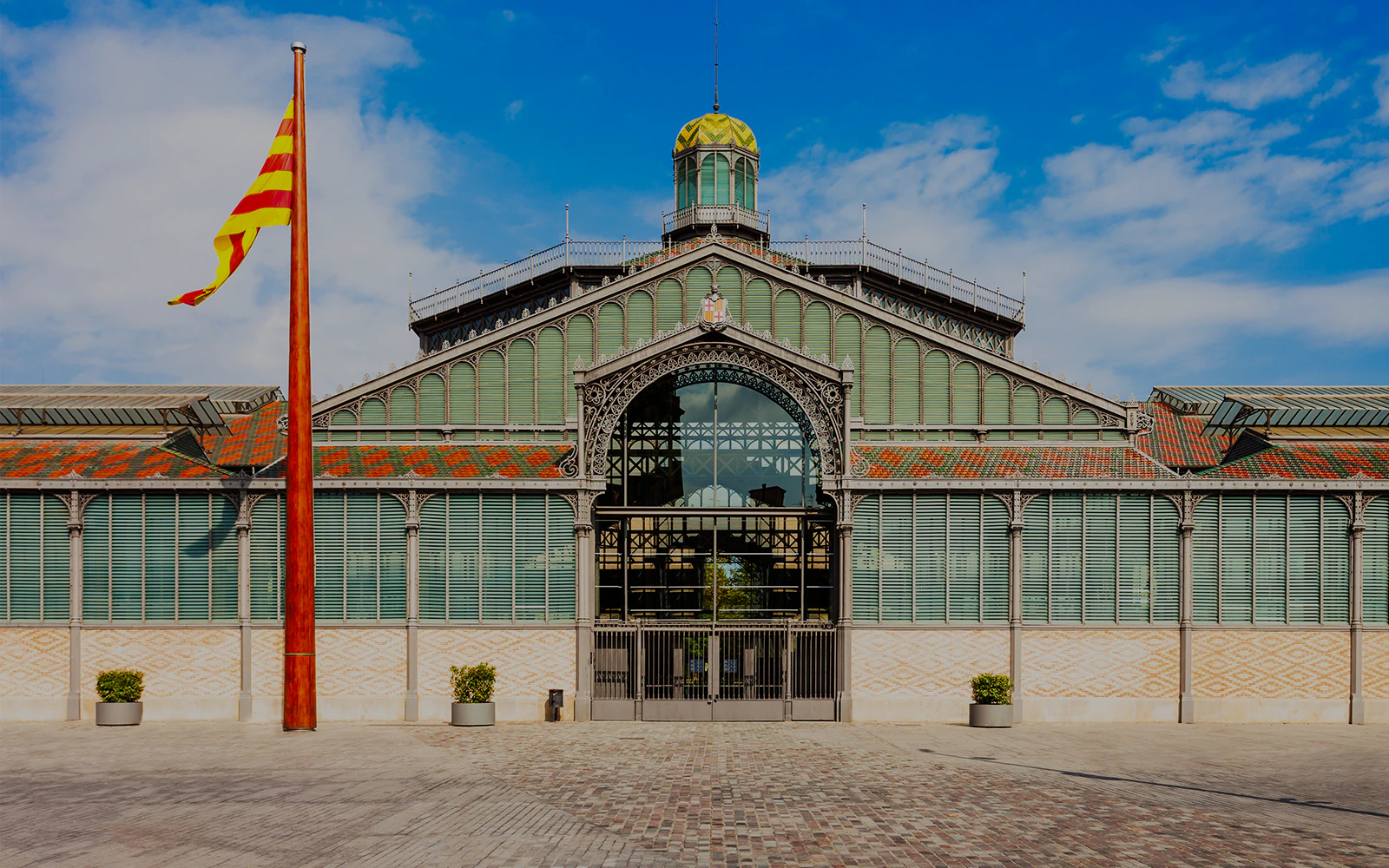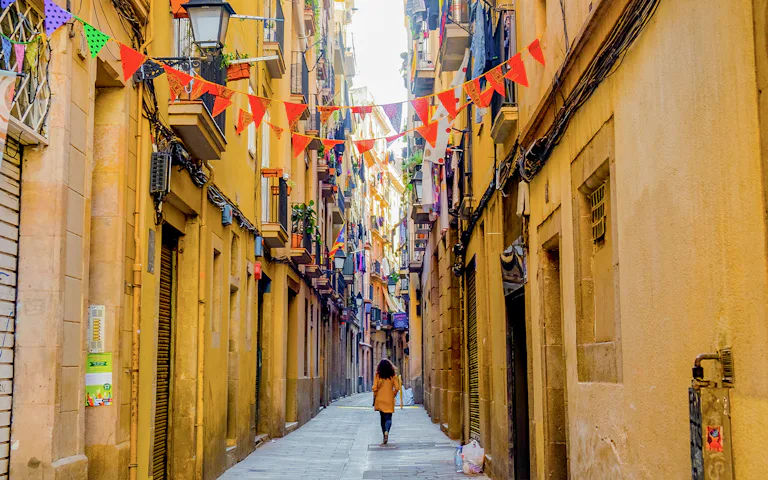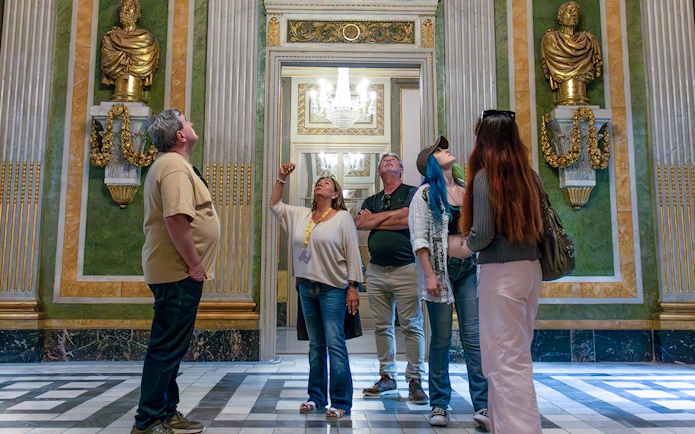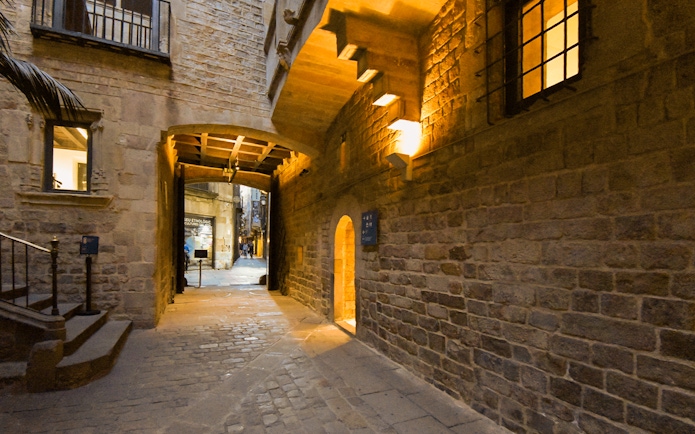
Neighborhood at a glance

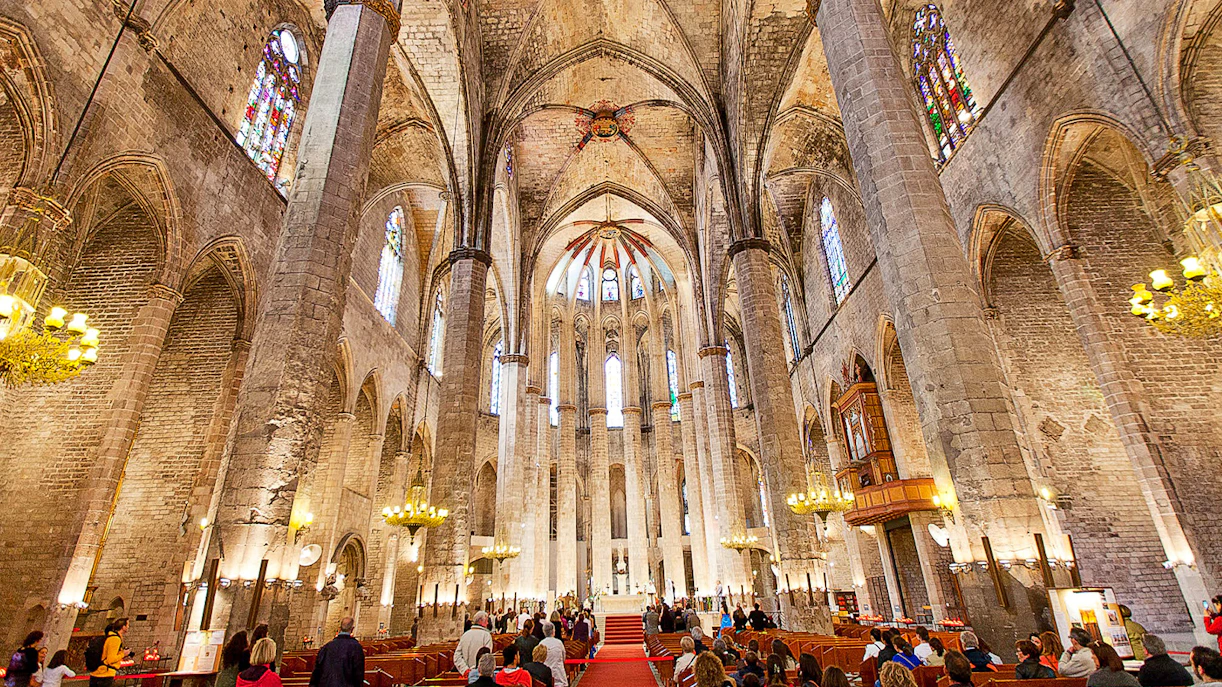
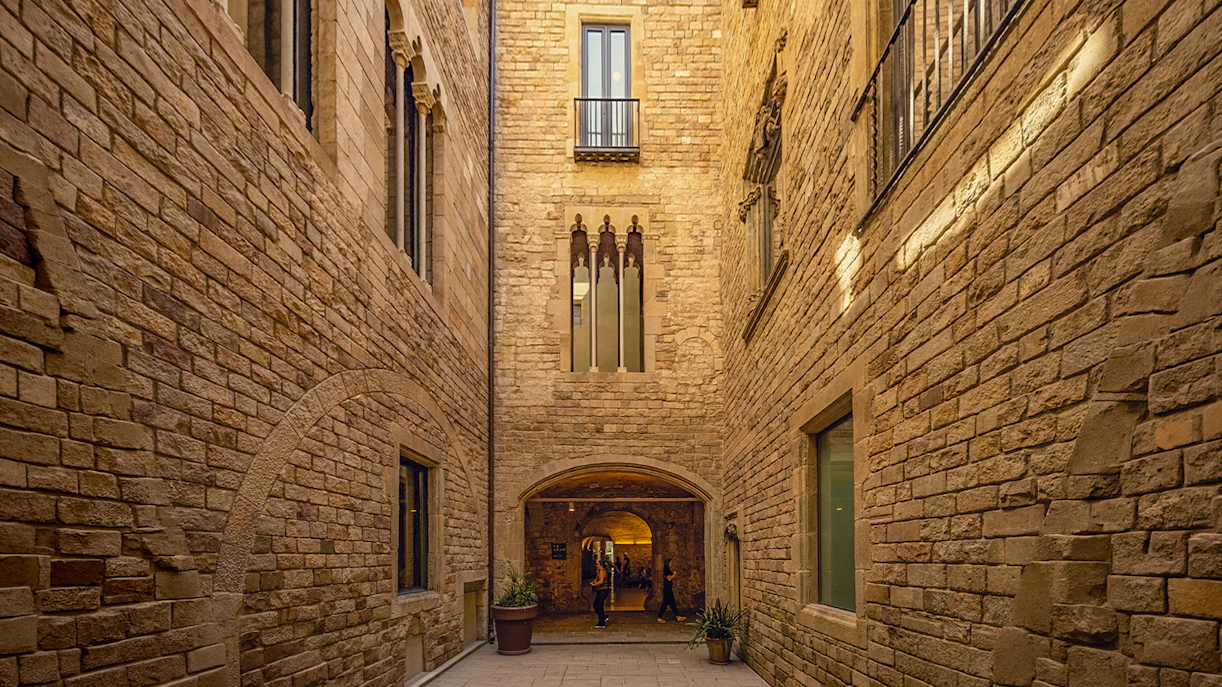
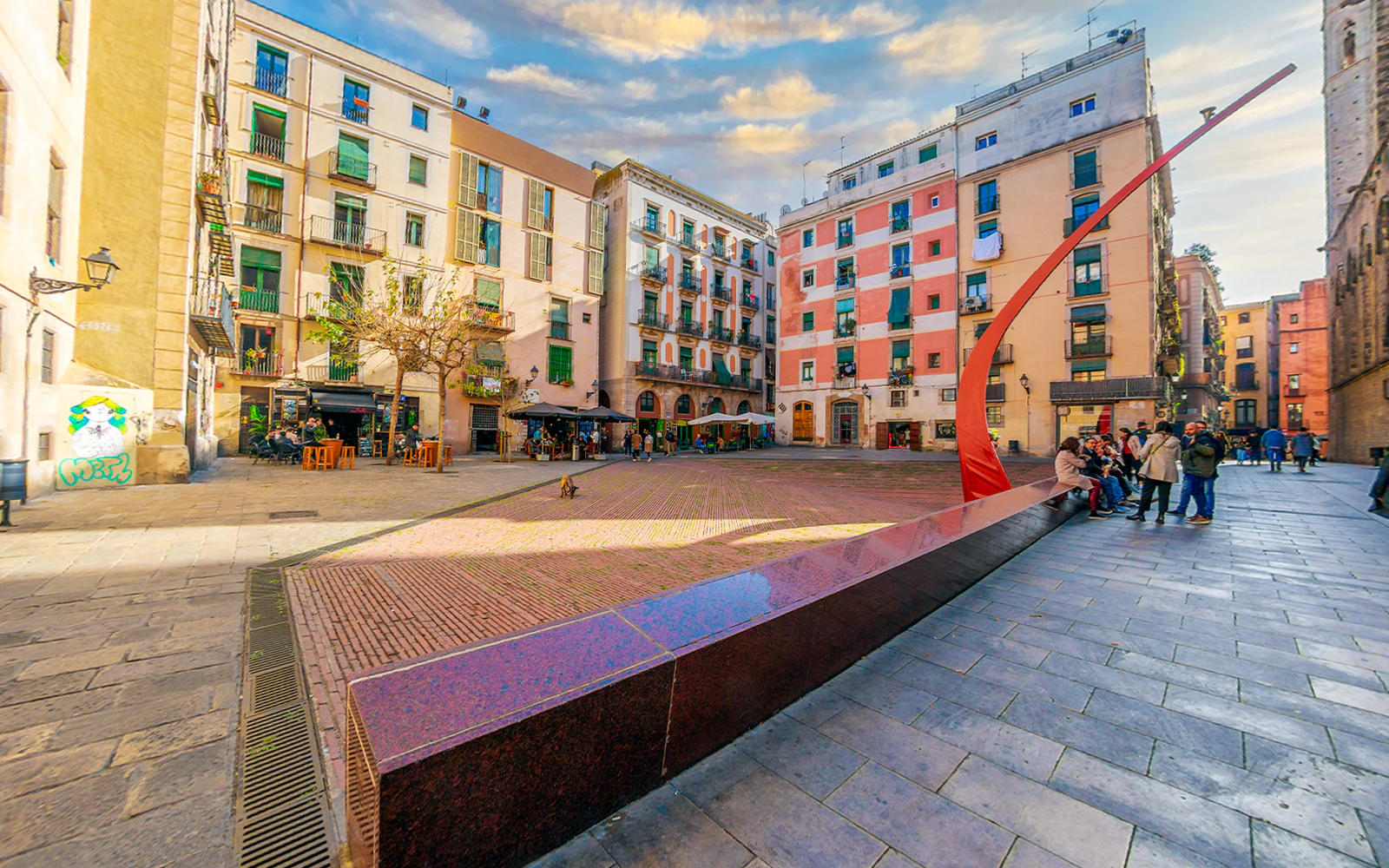
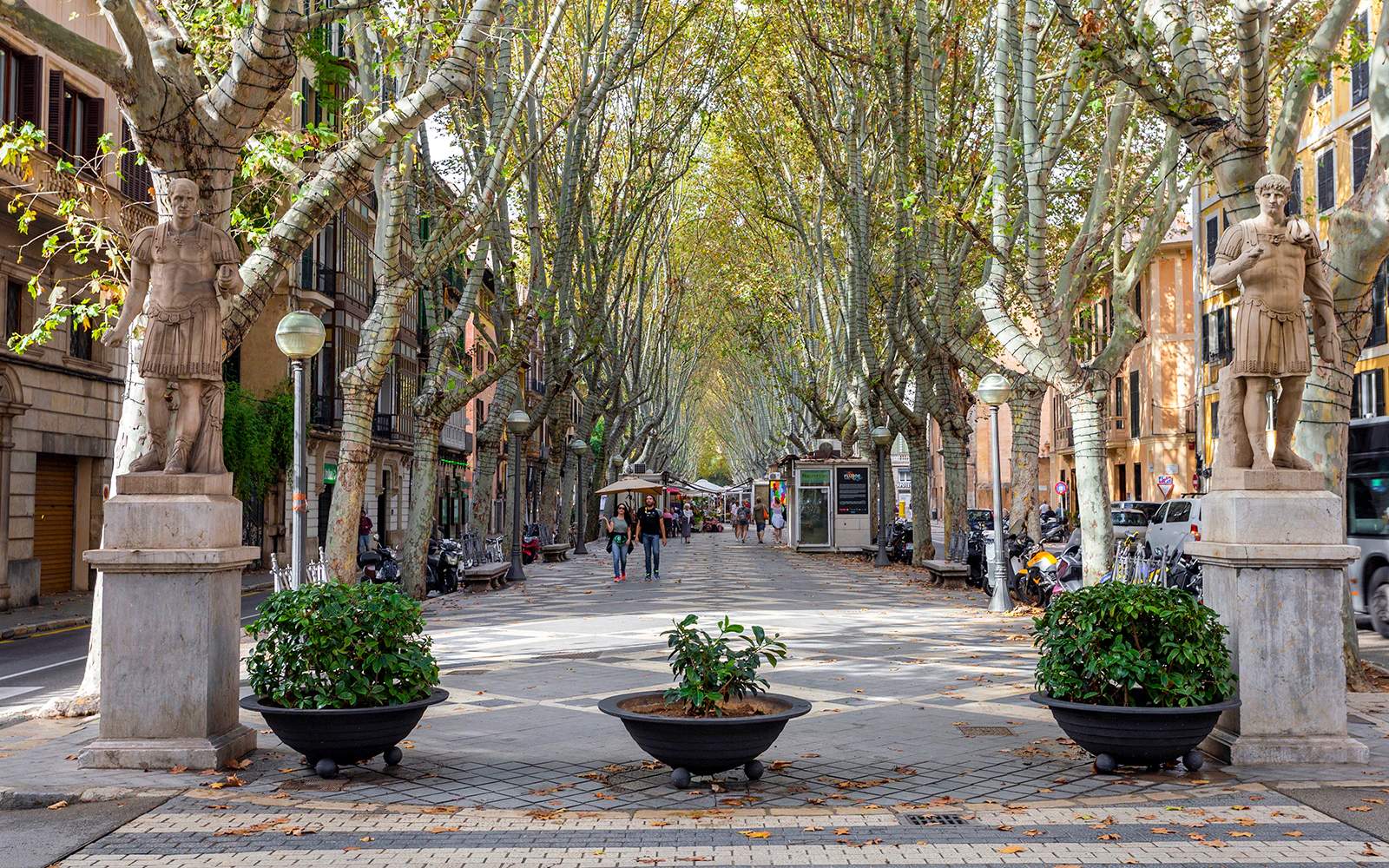
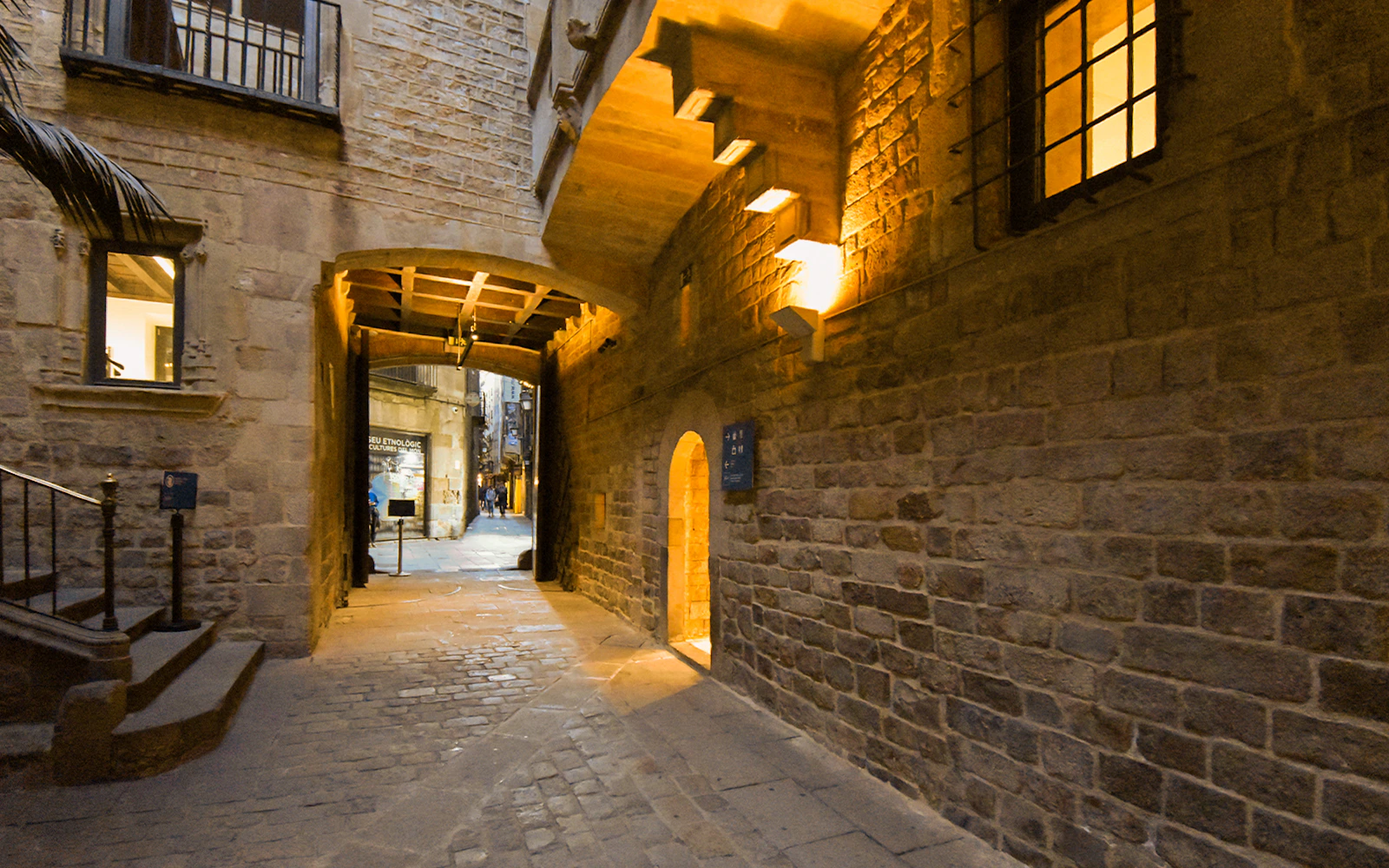
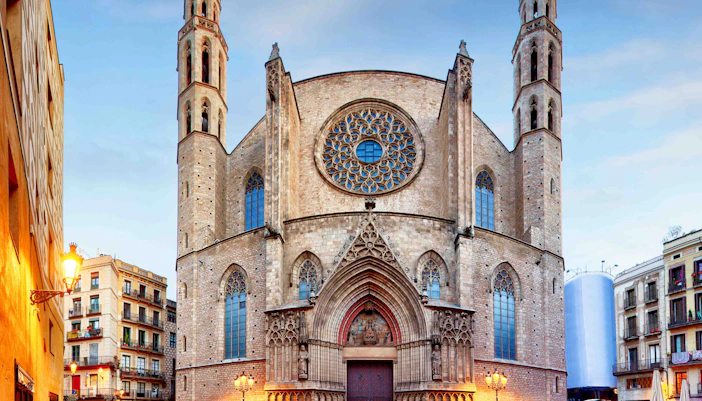
Why visit: El Born packs Carrer de Montcada’s museum palaces, the Basílica de Santa Maria del Mar, and Passeig del Born’s bars into a compact medieval grid.

Atmosphere: Medieval, polished, bar-heavy, walkable.

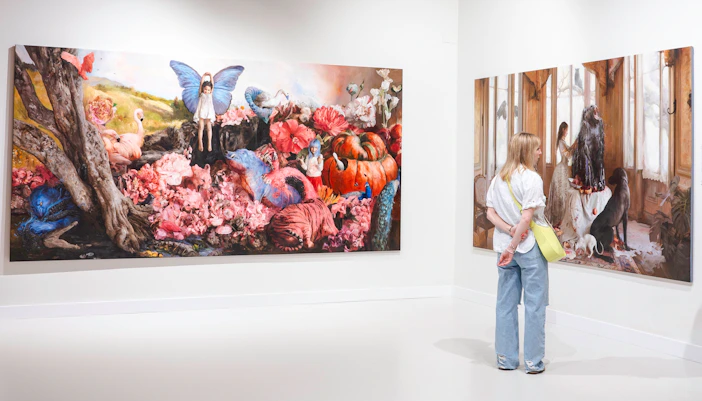
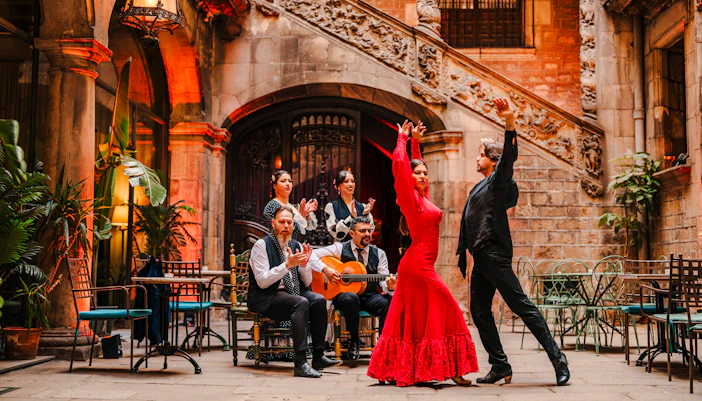
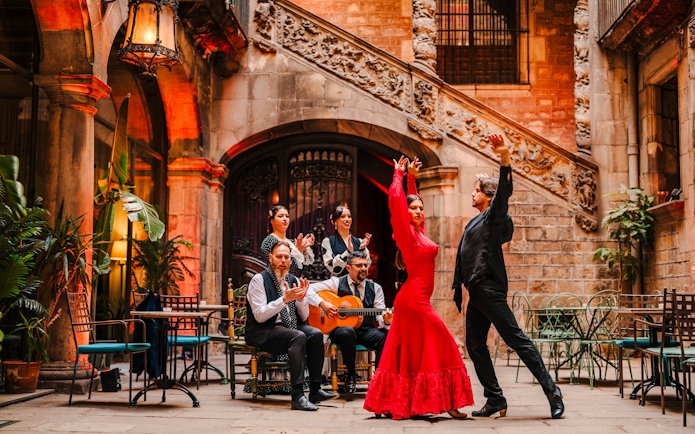
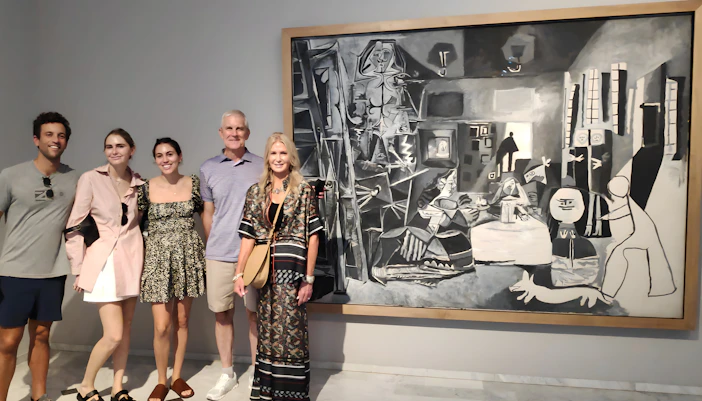
Top things to do: Visit the Picasso Museum, step inside Santa Maria del Mar, catch a flamenco show at Palau Dalmases, browse Moco Museum Barcelona.

Best for: Art lovers, first-time visitors, couples, late-evening diners.

Time needed: 3–5 hours.

Best time to visit: Weekday mornings for quieter museum entries on Carrer de Montcada, or early evening for Santa Maria del Mar and dinner around Passeig del Born.

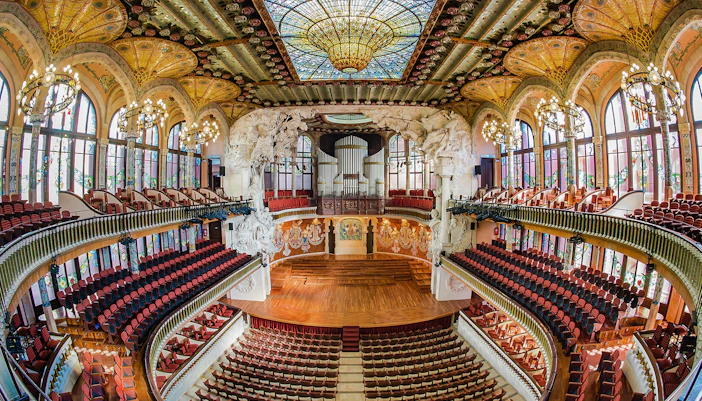
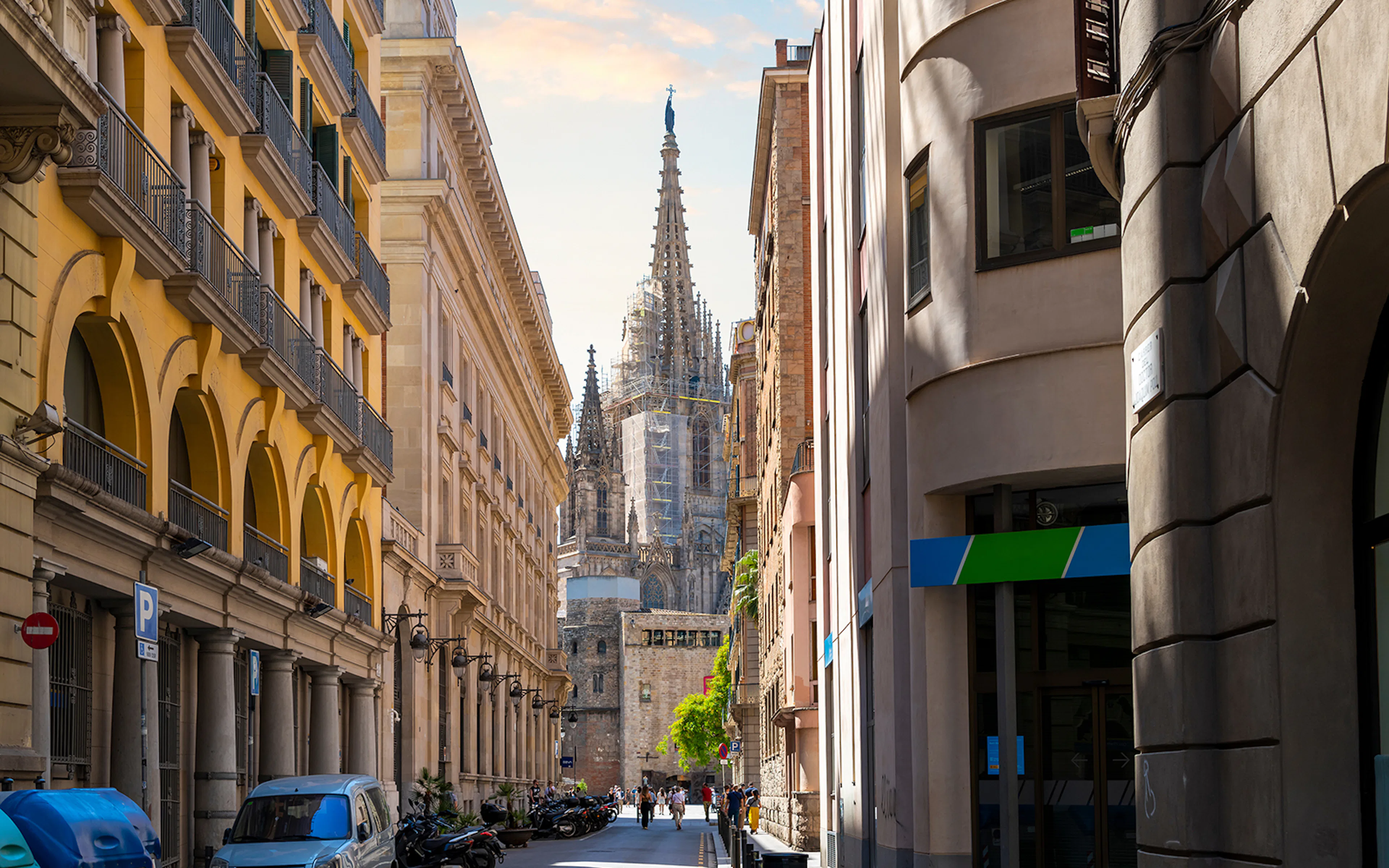
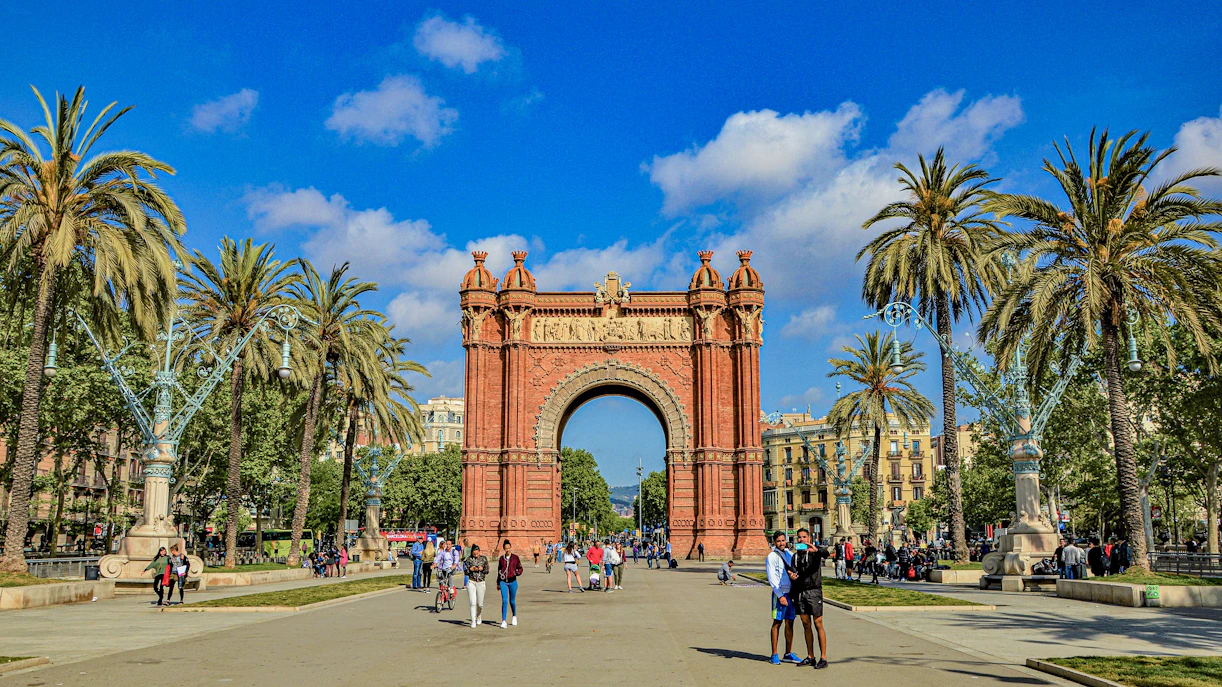
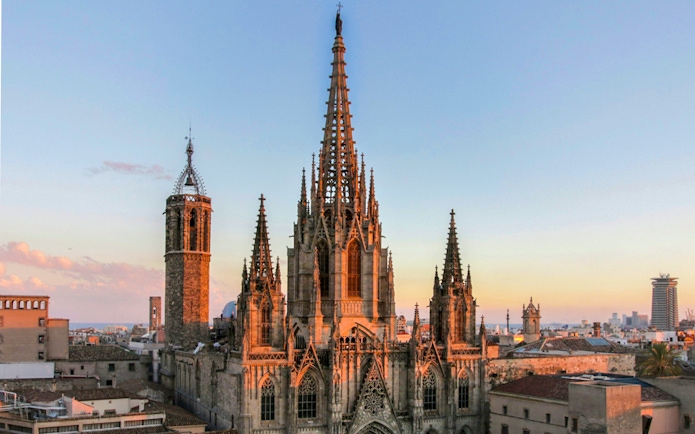
Nearby: Gothic Quarter, Parc de la Ciutadella, Arc de Triomf, Barceloneta, Palau de la Música Catalana, Barcelona Cathedral.

Top things to do in El Born

Pro tip

Start at the Picasso Museum right when it opens, then work east toward Santa Maria del Mar — Carrer de Montcada feels far less clogged before the late-morning museum traffic builds.

Quick navigation

🏛️ Why visit | 🎟️ Best ways to explore |🧭 Plan your visit | 🌟 Free things to do | 📋 Itinerary | 💡 Tips |🍴 Dining

Best ways to explore El Born

El Born works best on foot because the payoff is in the sequence: Carrer de Montcada, Santa Maria del Mar, Fossar de les Moreres, and Passeig del Born all sit close together. A strong route usually overlaps the Gothic Quarter edge, especially if it starts near Jaume I or Plaça del Rei.

Pro tip

If El Born is your main plan for the day, book the Picasso Museum Barcelona Skip-the-Line Guided Tour first, then keep Palau Dalmases - Flamenco Show for evening — that gives you a clean art-by-day, performance-by-night route without leaving the neighborhood.
Plan your visit

Pro tip

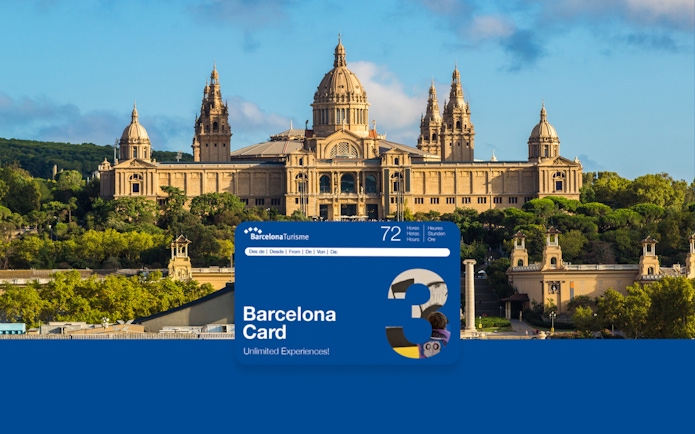
The Barcelona Card makes particular sense in El Born because it bundles museum entry with public transport, and the inventory provided includes Picasso Museum and Moco Museum Barcelona among its access point.

Free things to do in El Born

Suggested itinerary for visiting El Born

El Born is compact enough to cover on foot, but it rewards you if you move east to west or north to south without zigzagging. The easiest routes start either at Arc de Triomf/Plaça Comercial or at Jaume I/Carrer de la Princesa.

Tips for visiting El Born

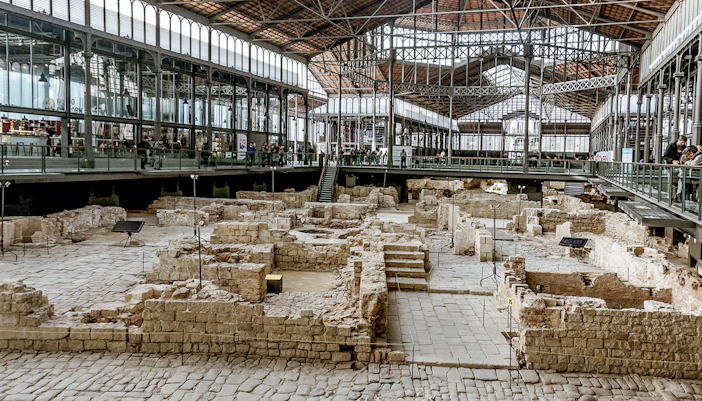
  • Use Jaume I only if you’re heading straight into the southern half of El Born. If your first stop is Born Centre de Cultura i Memòria or Arc de Triomf, arriving by Arc de Triomf station gives you a cleaner route with less backtracking.

  • Book the Picasso Museum before you build the rest of your day. It’s the one El Born stop most likely to dictate your timing, especially in spring, early summer, and on weekends.

  • For a better church view, stand at the Fossar de les Moreres edge and face back toward Santa Maria del Mar. The square gives you enough distance to frame the full façade, which the tighter side lanes do not.

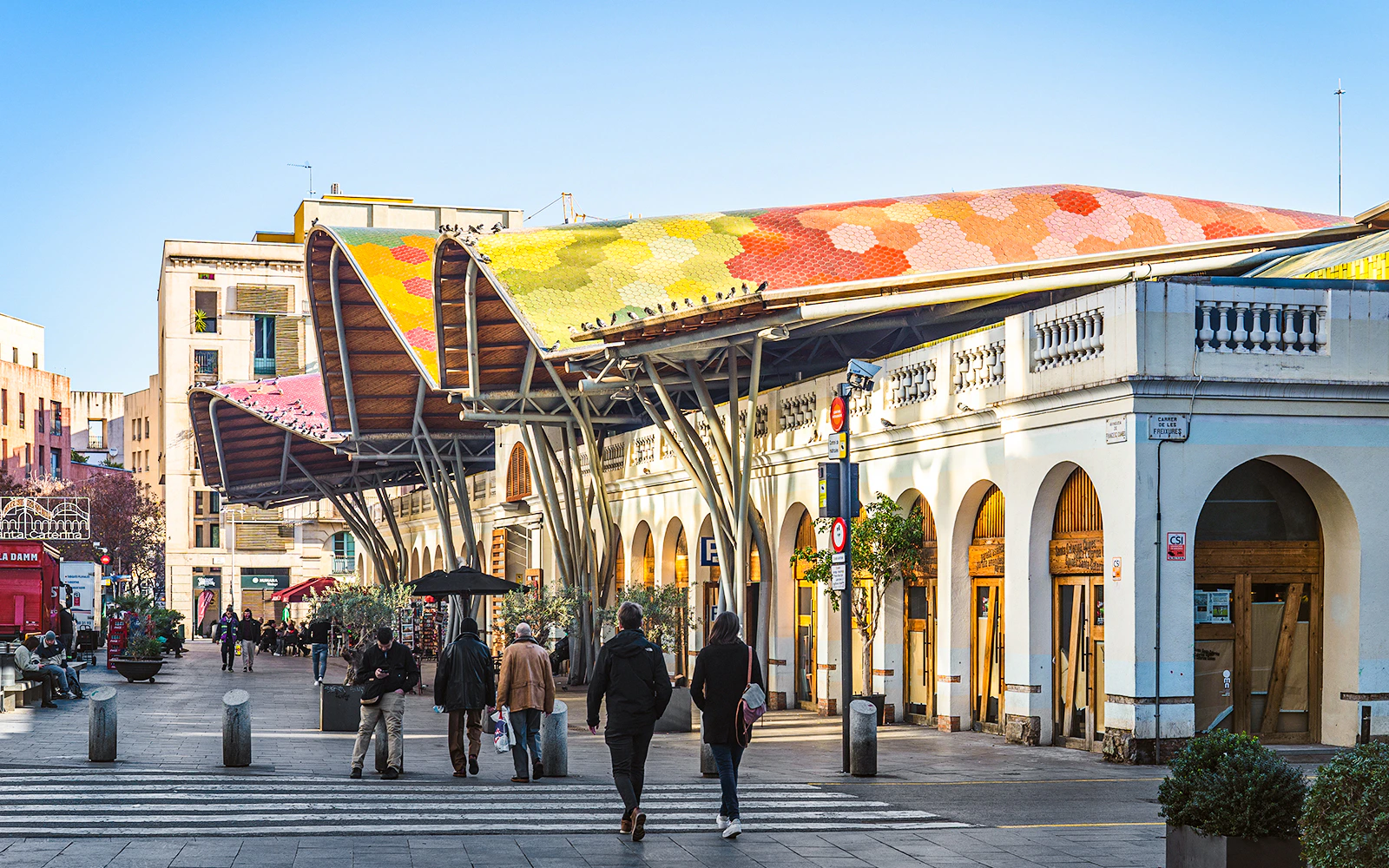
  • If you want a cheaper midday stop, eat near Mercat de Santa Caterina instead of taking the first terrace you see on Passeig del Born. The market edge usually gives you more practical lunch options than the boulevard core.

  • Carrer de Montcada is easiest to read from north to south. Starting near the Born Centre and walking down toward Santa Maria del Mar makes the palace street feel more coherent.

  • If you’re seeing the Palau Dalmases flamenco show, arrive 15–20 minutes early. The entrance is on a narrow historic street, and late arrivals make the pre-show check-in more awkward than at a standard theatre.

  • El Born is small, but the paving slows you down more than the map suggests. A direct walk from Arc de Triomf to Santa Maria del Mar is only about 10–12 minutes, yet it usually takes longer once you stop for façades, courtyards, or photos.

  • Save Passeig del Born for later in the day. In the morning it works as a transit lane; after 6pm it becomes one of the easiest places in the old city to settle into a drink or early dinner.

Dining in El Born

Must-eat tip

If you only eat one thing in El Born, make it anchovies with cava at El Xampanyet. The salty fish and sparkling wine are a better fit for this neighborhood than a heavy sit-down lunch in the middle of your museum route.

Should you stay in El Born?

Short answer: Yes, if you want old-city streets, walkable museums, and strong evening food options. The trade-off is noise, higher room rates, and less car-friendly access than newer parts of Barcelona.

  • The vibe — After day-trippers thin out, Passeig del Born, Carrer de l’Argenteria, and the lanes around Santa Maria del Mar stay active with bars and late dinners. Early mornings are much quieter, especially on the Plaça Comercial and Carrer de Montcada side.

  • The logistics — Expect boutique hotels, design-forward small stays, and apartments in older buildings rather than large chain properties. Rooms can be smaller, lifts aren’t guaranteed in every historic building, and taxi drop-off often happens on the edges rather than at the door.

  • Who it’s for — El Born suits couples, first-time visitors, art-focused travelers, and anyone who wants to walk to the Gothic Quarter, Barceloneta, and Ciutadella. It suits light sleepers less well, and it’s not the best pick if you want broad boulevards, easy parking, or resort-style hotels.

  • Top recommendation — Look around Carrer del Comerç, Plaça Comercial, or the Passeig de Picasso edge if you want quieter nights with quick access back into the El Born core. For a more social stay, book closer to Passeig del Born, but expect more terrace noise.

Explore other neighborhoods in Barcelona

Frequently asked questions about El Born

No. They border each other and many visitors treat them as one long old-town walk, but El Born sits east of Via Laietana and feels more museum-and-dining focused. The Gothic Quarter has denser medieval lanes around Barcelona Cathedral and Plaça del Rei, while El Born is anchored by Santa Maria del Mar, Carrer de Montcada, and Passeig del Born.