Barcelona Tickets


Neighborhood at a glance

  • Why visit: Montjuïc packs a cable car, a hilltop castle, major museums, Olympic venues, and long city-facing terraces into one hillside district.
  • Atmosphere: Green, spread-out, uphill, museum-heavy.
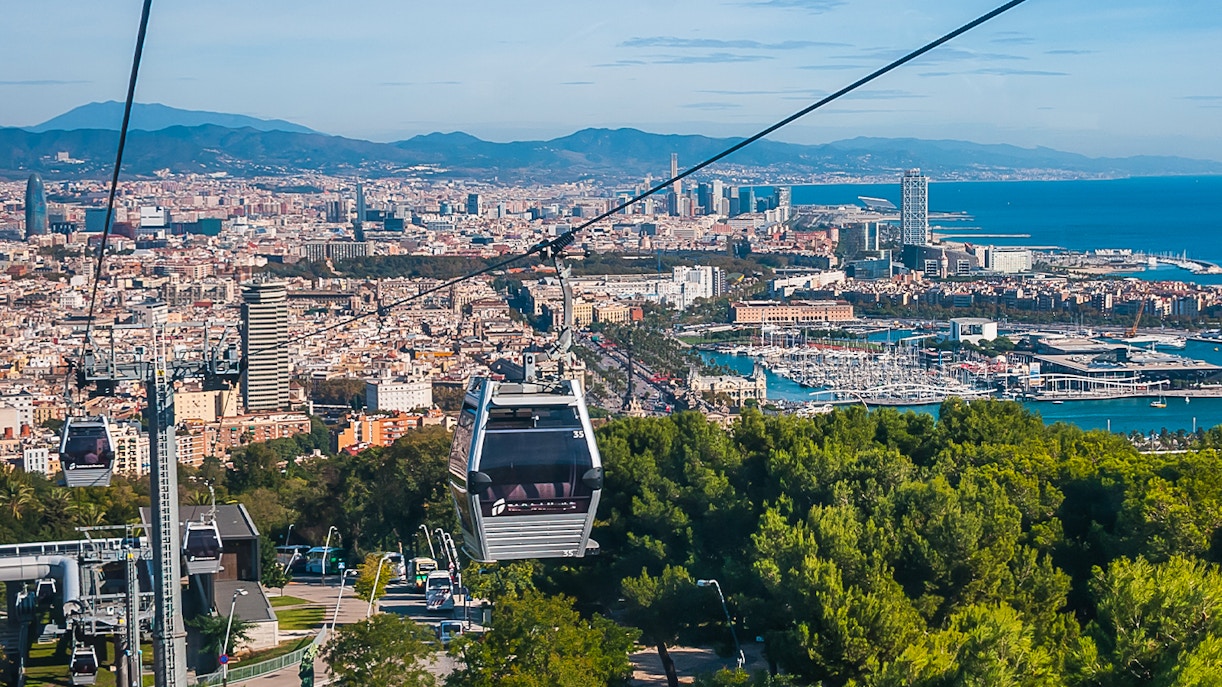
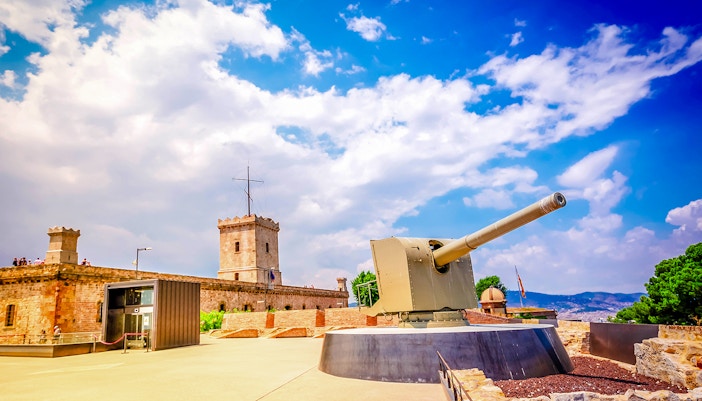
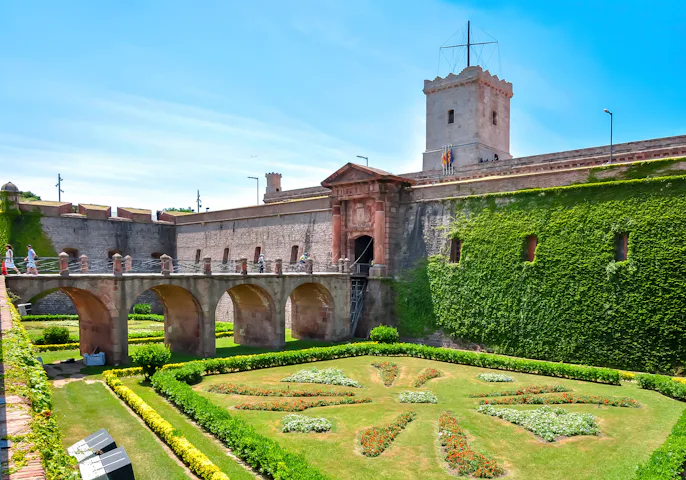
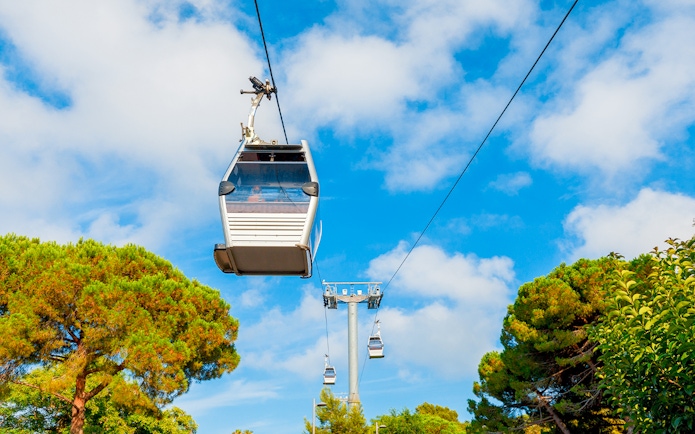
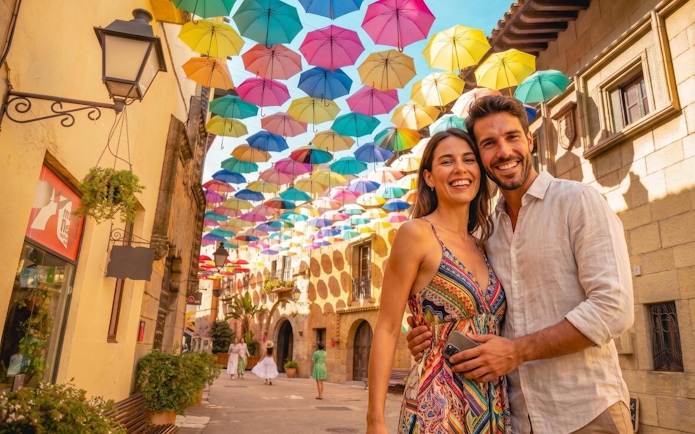
  • Top things to do: Ride the Montjuïc Cable Car, visit Montjuïc Castle, explore Museu Nacional d’Art de Catalunya, walk through Poble Espanyol.
  • Best for: First-time visitors, architecture fans, museum-goers, families.
  • Time needed: 3–5 hours.
  • Best time to visit: Weekday late afternoons for lighter museum traffic, softer light on the MNAC terraces, and sunset from the upper hill.
  • Nearby: Plaça d’Espanya, Poble Espanyol, Fundació Joan Miró, Olympic Ring, Teatre Grec, Poble Sec.

Top things to do in Montjuïc

Pro tip

If you want to cover the cable car, castle, Miró, and MNAC in one stretch, start high or use the funicular first, then work downhill. Doing Montjuïc in reverse turns the day into more uphill walking than most people expect.

Quick navigation

🏛️ Why visit | 🎟️ Best ways to explore |🧭 Plan your visit | 🌟 Free things to do | 📋 Itinerary | 💡 Tips |🍴 Dining

Why visit Montjuïc

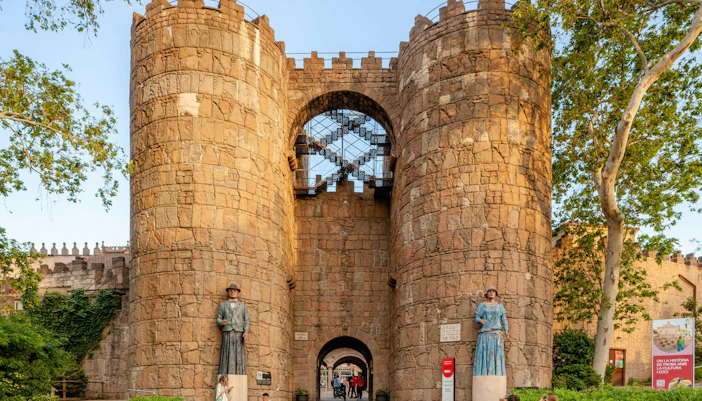
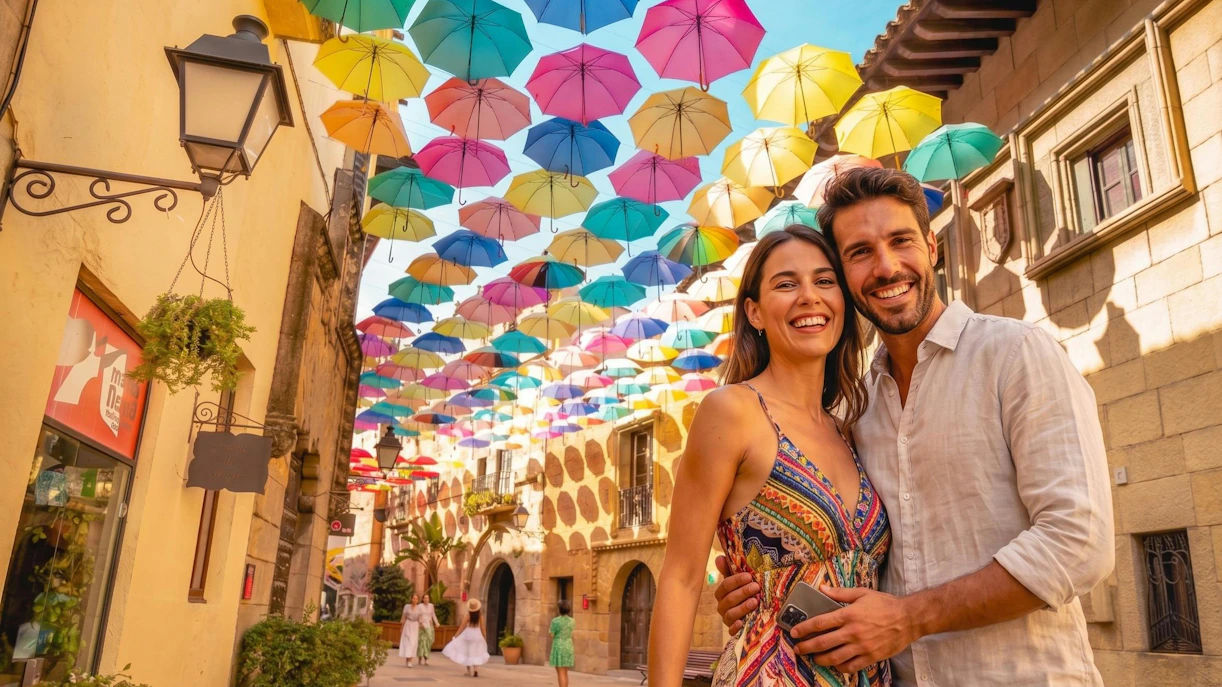
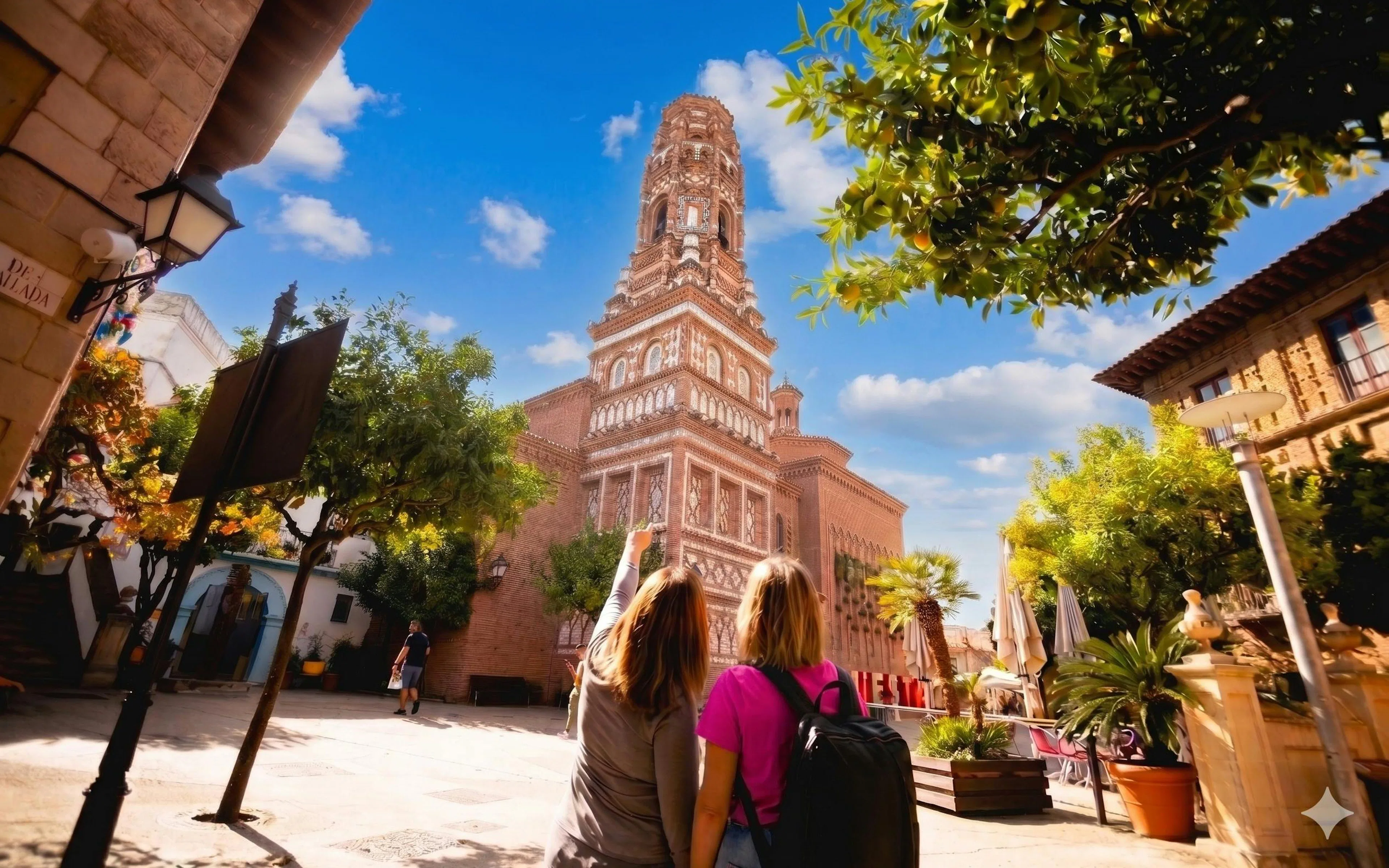
Visitors exploring the architecture of Poble Espanyol in Barcelona.
1/5

Big-ticket sights sit on one hillside

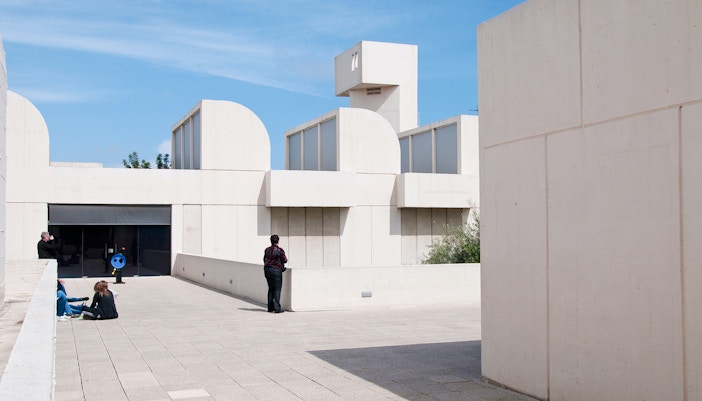
You can move from the MNAC terraces to Fundació Joan Miró, Poble Espanyol, and the cable car without leaving the district. Montjuïc is one of Barcelona’s few areas where museums, viewpoints, and outdoor walks genuinely stack into the same half-day.

The views come built into the route

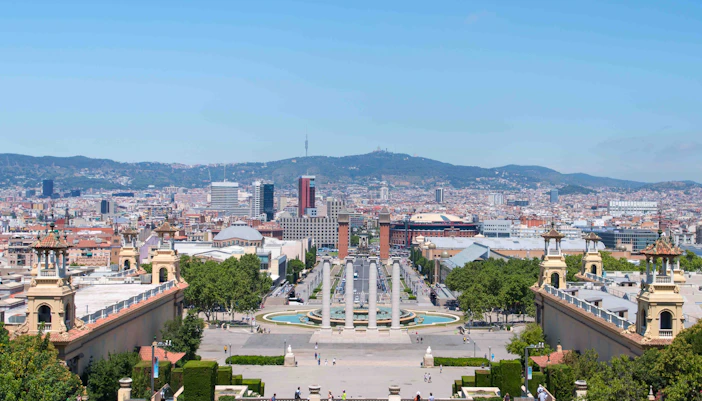
Plaça d’Espanya, the MNAC steps, Miramar, and the castle all face different parts of the city. That means you’re not walking to a single lookout, but collecting several distinct angles over the Eixample grid, the port, and the Mediterranean.

The 1992 Olympics still shape the place

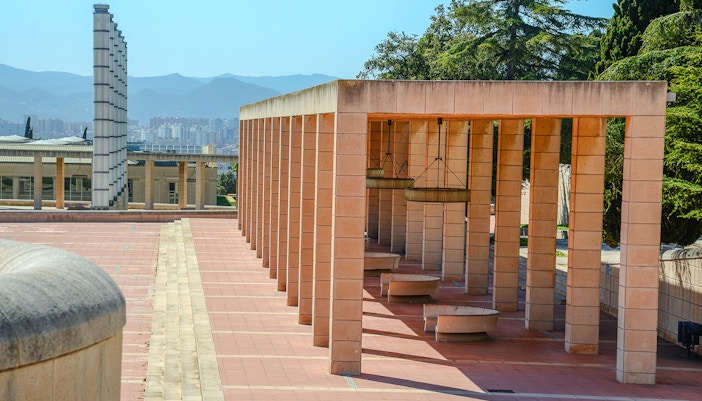
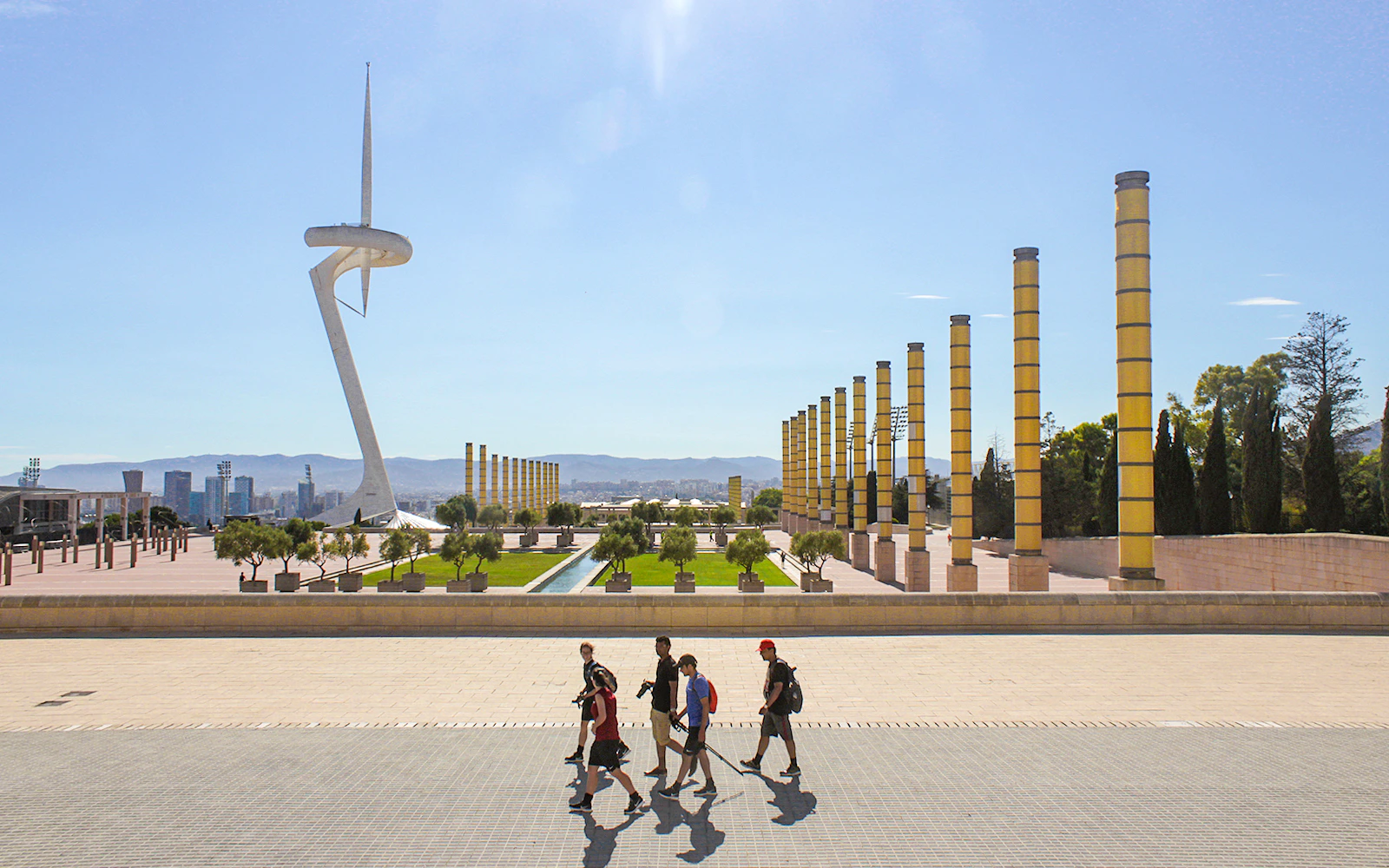
The Olympic Ring is not a footnote here. Estadi Olímpic, Palau Sant Jordi, and Calatrava’s tower still define the upper hill, so Montjuïc doubles as a walk through the urban redesign that changed Barcelona’s global image.

It gives you breathing room between busier districts

After the tighter lanes of Barri Gòtic or El Born, Montjuïc feels physically broader. You get long staircases, open plazas, terraced gardens, and tree-lined paths instead of dense old-city foot traffic.

You can build a day around transport, not around queues

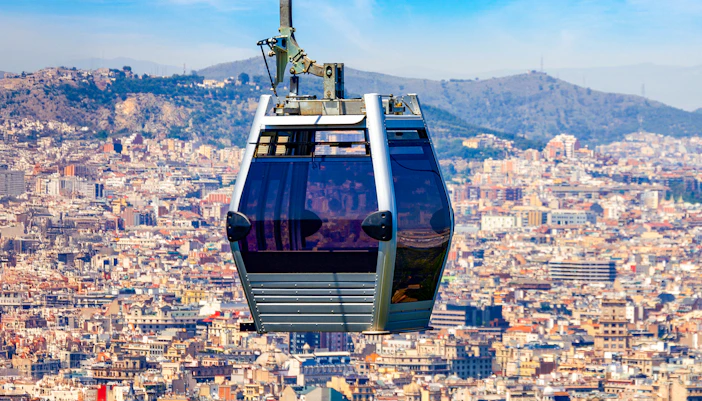
The hill works well with scenic transport. The Montjuïc Cable Car, the funicular connection, and hop-on hop-off stops let you link major sights without constantly zigzagging back through central Barcelona.

Best ways to explore Montjuïc

A good walking route here usually starts at Plaça d’Espanya or Paral·lel, then threads through MNAC, Jardins de Laribal, Fundació Joan Miró, and the Olympic Ring. Montjuïc is less about a single monument and more about how the hill’s museums, gardens, and viewpoints connect.

Pro tip

If Montjuïc is your main plan, start with the Montjuïc Cable Car Roundtrip Tickets. If you want one tidy half-day product, go for Combo (Save 5%): Montjuïc Cable Car + Poble Espayol Tickets.

Plan your visit

Pro tip

If Montjuïc is your main sightseeing day, the Barcelona Card is the strongest pass fit because it covers public transport and adds value at Montjuïc Castle, Museu Nacional d’Art de Catalunya, and Fundació Joan Miró.

Free things to do in Montjuïc

Suggested itinerary for visiting Montjuïc

Montjuïc is not a single plaza or street grid. It’s a long hillside with clusters, so the best itineraries move in one direction and avoid repeated uphill walks.

Tips for visiting Montjuïc

  • Start from Paral·lel if your priority is the Montjuïc Cable Car, Fundació Joan Miró, or the upper hill. Start from Plaça d’Espanya only if you specifically want the MNAC approach and the big staircase reveal.

  • Don’t assume the Montjuïc Cable Car includes the Montjuïc funicular. It doesn’t, so sort that connection before you arrive or you’ll lose time figuring it out at the base station.

  • If you’re using the Montjuïc Cable Car, download your ticket and audio guide before you head up. There’s no Wi-Fi or network available on-site, and that catches people off guard.

  • The smartest free viewpoint is not the castle walls but the MNAC terraces. You get a cleaner, more centered look down Avinguda de la Reina Maria Cristina toward Plaça d’Espanya, and you don’t need a ticket.

  • Avoid eating at the first convenient stop if you’re only halfway through the hill. Either do lunch inside Poble Espanyol while you’re there, or descend to Poble Sec afterward for better pinchos and vermouth options.

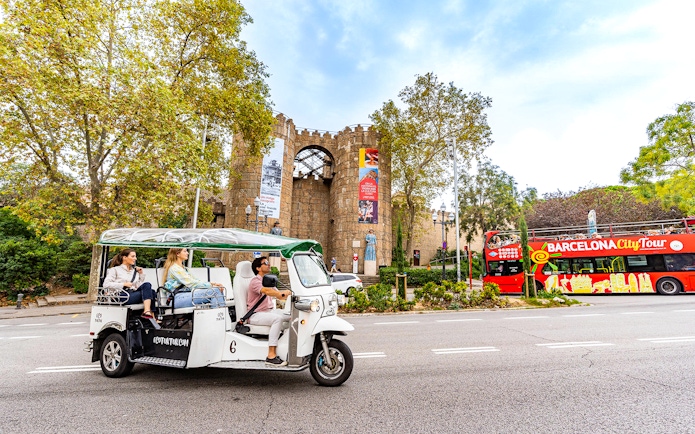
  • If you’re pairing Montjuïc with the rest of Barcelona, use a bus product rather than forcing the metro between every stop. The Barcelona City Tour: Hop-on Hop-off Bus Tour and Barcelona Bus Turistic: Hop-on Hop-off Bus Tour make more sense on this hill than in flatter neighborhoods.

  • Keep your timing loose between Poble Espanyol, the Olympic Ring, and the castle. On the map they look close, but Montjuïc’s slopes, stairways, and venue-sized blocks make walking slower than central-city street grids.

Best photo spots in Montjuïc

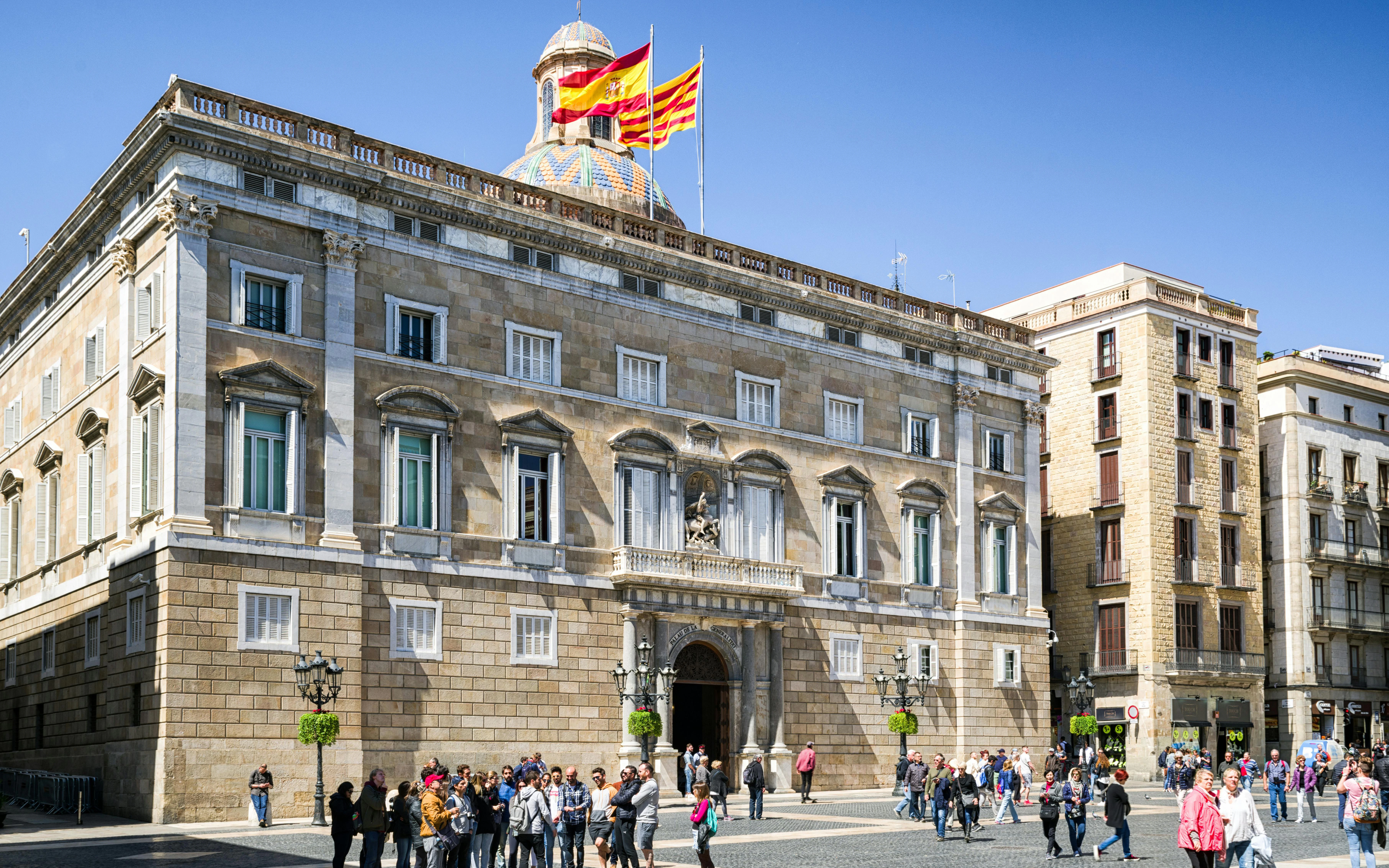
Palau de la Generalitat de Catalunya in Barcelona with people walking in front.

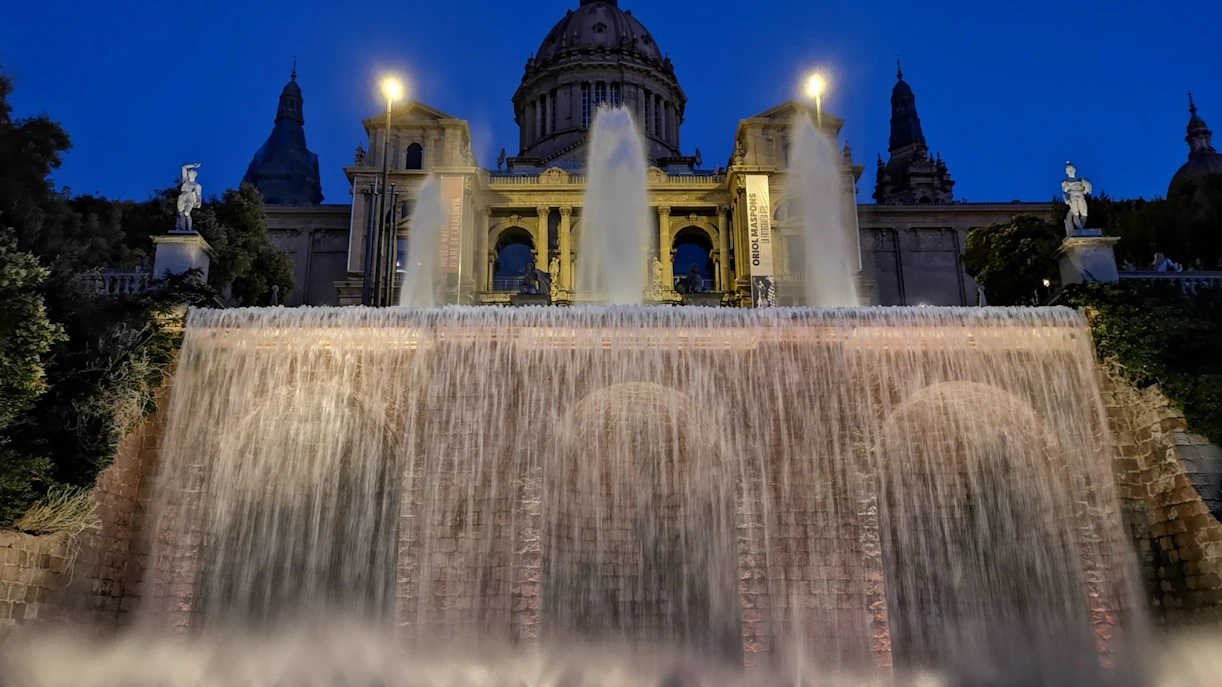
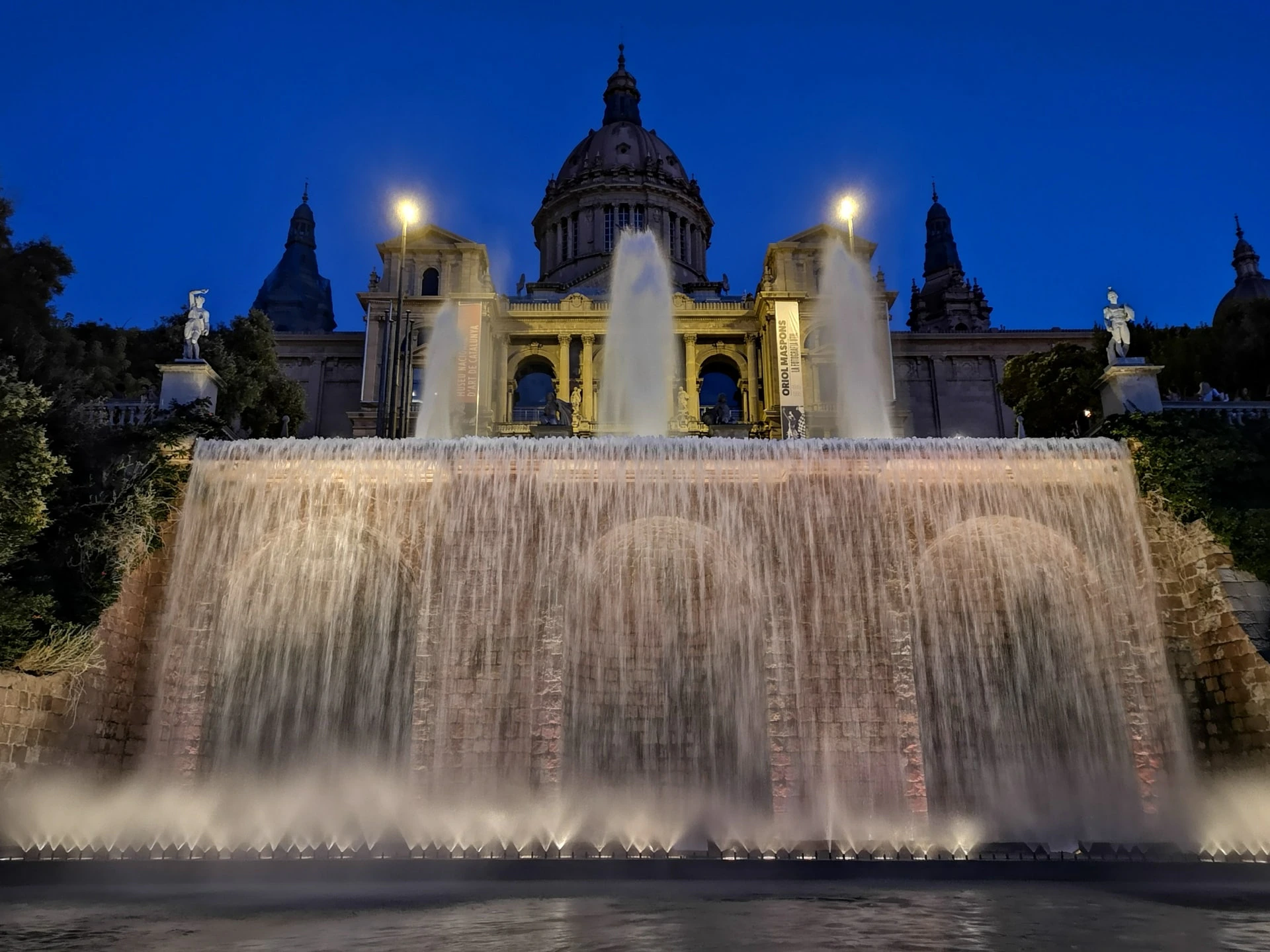
Avinguda de la Reina Maria Cristina facing Palau Nacional at blue hour

Stand midway up the avenue and shoot uphill with the Venetian towers framing the base and Palau Nacional rising above. Blue hour works best because the avenue lights define the axis without flattening the hill.

Front view of MNAC in Barcelona with illuminated fountains at night.
Barcelona Olympic Stadium with Montjuïc Communications Tower and columns in Anella Olímpica.
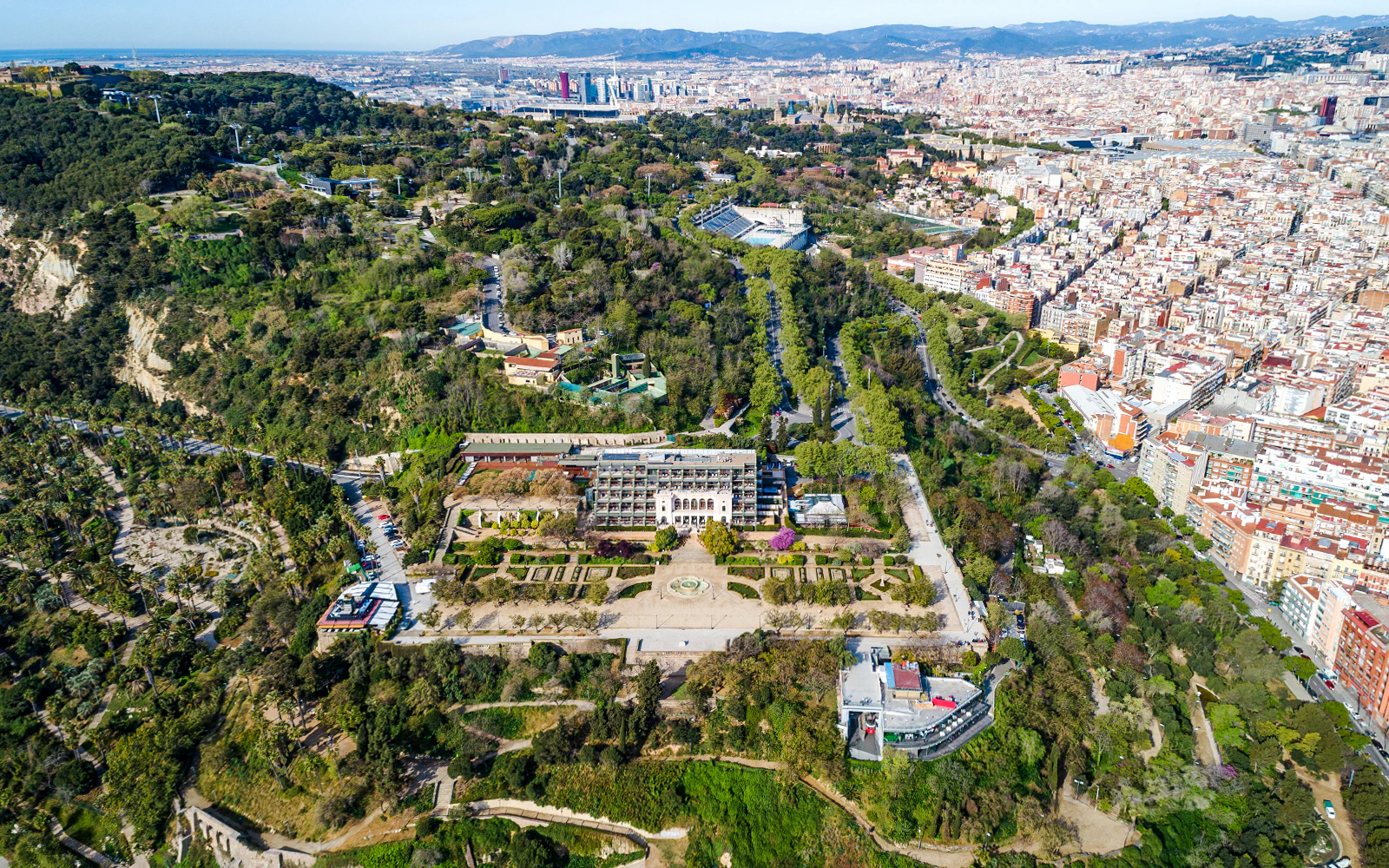
Aerial view of Miramar viewpoint on Montjuic hill overlooking Barcelona, Spain.
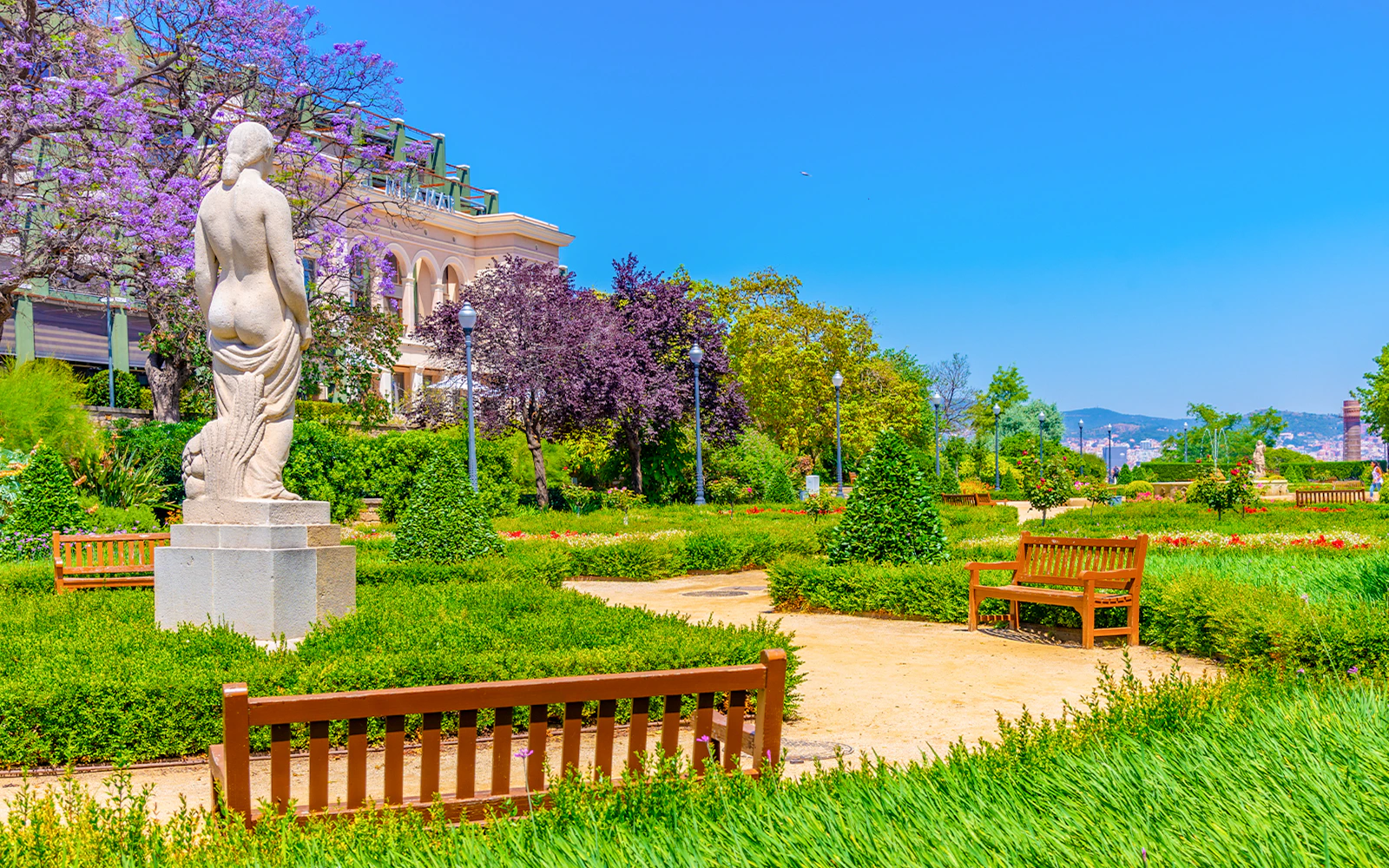
Statue and benches in Jardins del Mirador, Barcelona, with city view.

Dining in Montjuïc

Must-eat tip

If you only have one food stop tied to Montjuïc, go downhill to Quimet & Quimet and order montaditos with vermouth. It’s a smarter use of time than paying hilltop prices just because you’re already there.

Should you stay in Montjuïc?

Short answer: Mostly no, unless you specifically want a quieter hilltop base near museums and event venues. It suits slow-paced travelers and concert-goers, but it’s less practical for late dinners, bar-hopping, and quick returns on foot.

  • The vibe — After museum hours, large parts of Montjuïc feel open and quiet rather than lively. Around Avinguda Miramar, the Olympic Ring, and the garden routes, you’ll notice long, empty stretches once day visitors leave.

  • The logistics — Hotel density on the hill itself is low compared with Eixample, El Born, or Poble Sec. You’re more likely to find a stay on the edges near Plaça d’Espanya or below the hill than in the middle of the sightseeing zone.

  • Who it’s for — Stay here if you want museum access, event proximity, and less street noise. Don’t stay here if you want to walk out at 10pm into a dense bar, café, or shopping district without relying on transport.

  • Top recommendation — If you want Montjuïc access without Montjuïc isolation, book near the Plaça d’Espanya edge or the Poble Sec side of the hill. Look for hotels or apartments there, because you’ll keep the hill close while gaining better dinner and transport options.

Explore other neighborhoods in Barcelona

Frequently asked questions about Montjuïc

No. Montjuïc is the whole hill and district, while Montjuïc Castle is just one attraction at the top. When people say they’re “going to Montjuïc,” they could mean the castle, the museums, Poble Espanyol, the Olympic Ring, or simply the viewpoints.