Barcelona Tickets


Neighborhood at a glance

  • Why visit: El Raval packs MACBA, CCCB, Palau Güell, La Boqueria’s Raval edge, and late-night food streets into a compact slice west of La Rambla.
  • Atmosphere: Dense, mixed, late-night, street-level.
  • Top things to do: Visit MACBA, see exhibitions at CCCB, walk Rambla del Raval, tour Palau Güell.
  • Best for: Contemporary art fans, repeat visitors, budget food hunters, night owls.
  • Time needed: 2–4 hours.
  • Best time to visit: Weekday mornings and late afternoons for quieter museum entries, better light on side streets, and less congestion around La Boqueria.
  • Nearby: La Boqueria, Gran Teatre del Liceu, Plaça Catalunya, Barcelona Cathedral, Palau Güell, Plaça Reial.

Top things to do in El Raval

Pro tip

Start in upper Raval at Plaça dels Àngels before 10am, then walk south toward Palau Güell; the route gets busier as the day goes on, not quieter.

Quick navigation

🏛️ Why visit | 🎟️ Best ways to explore |🧭 Plan your visit | 🌟 Free things to do | 📋 Itinerary | 💡 Tips |🍴 Dining

Why visit El Raval

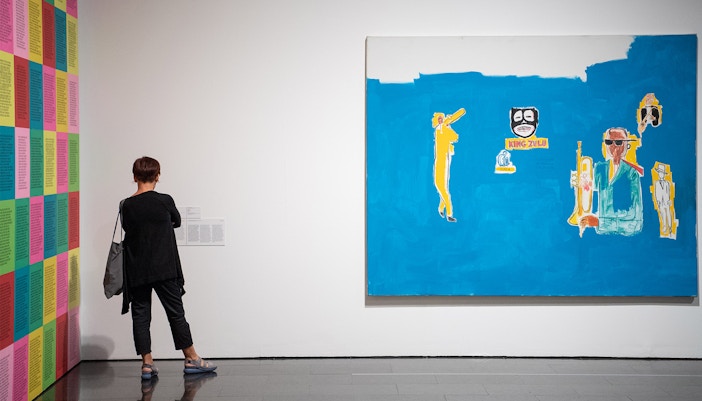
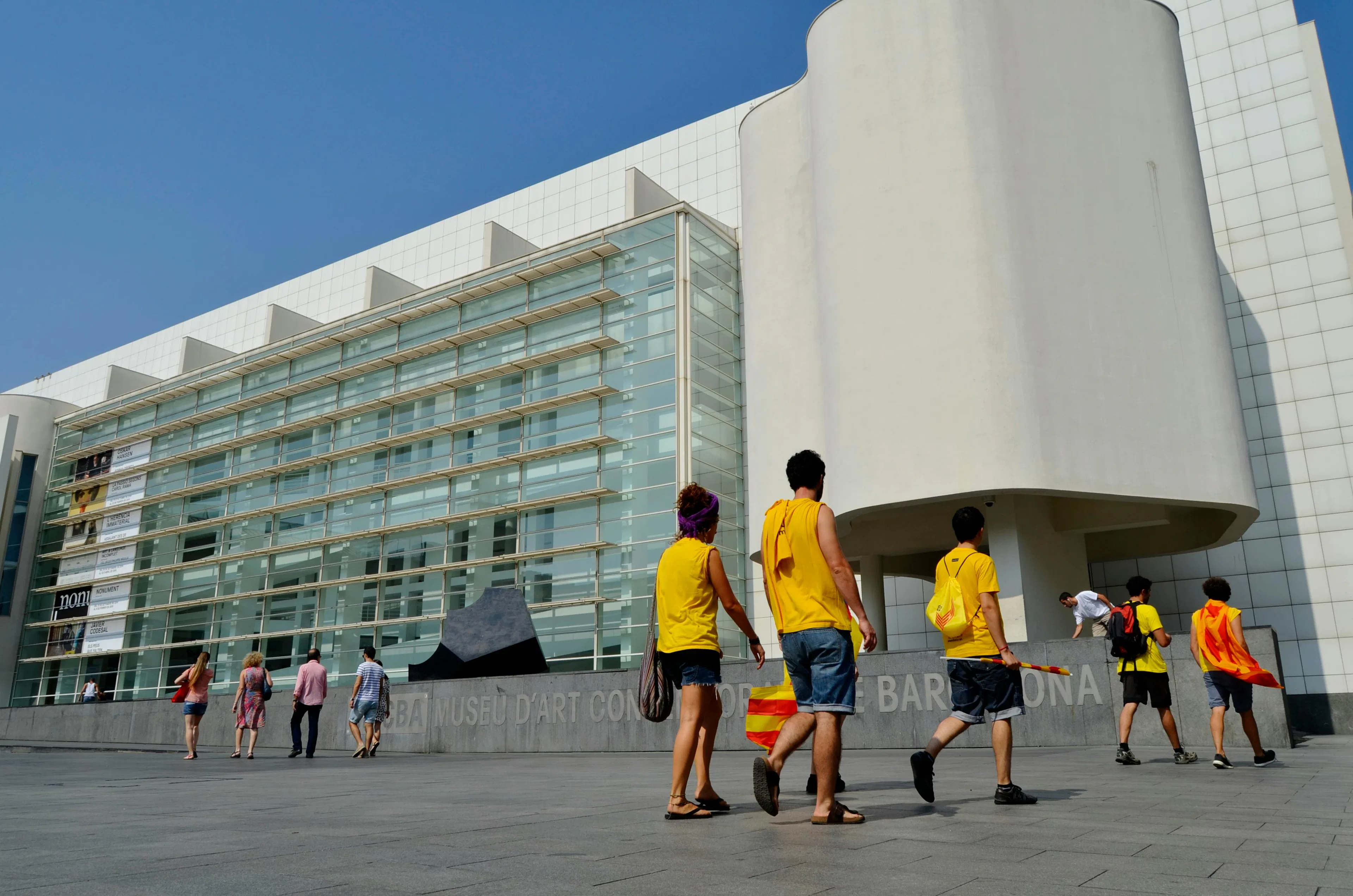
MACBA and CCCB in El Raval
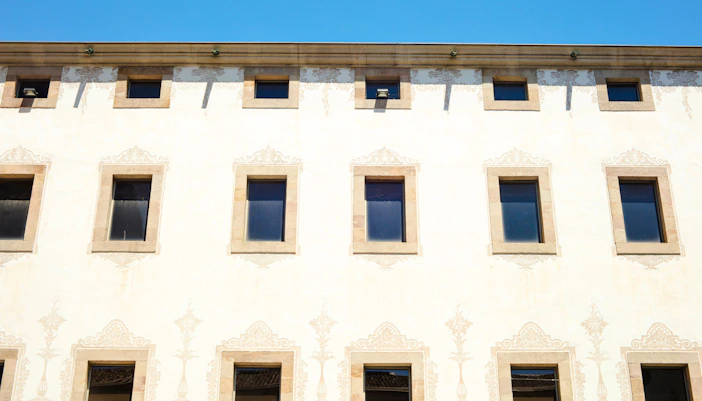
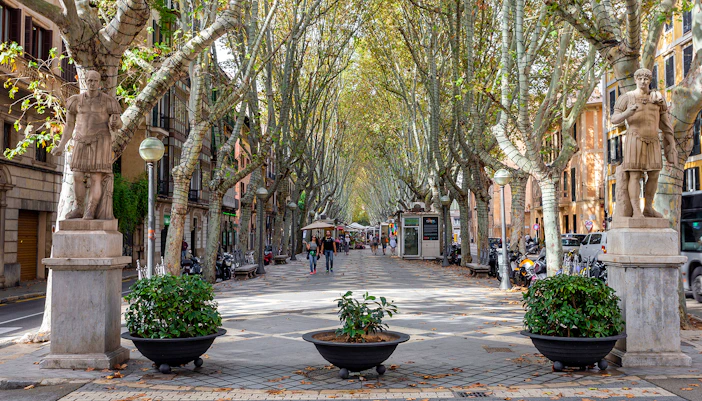
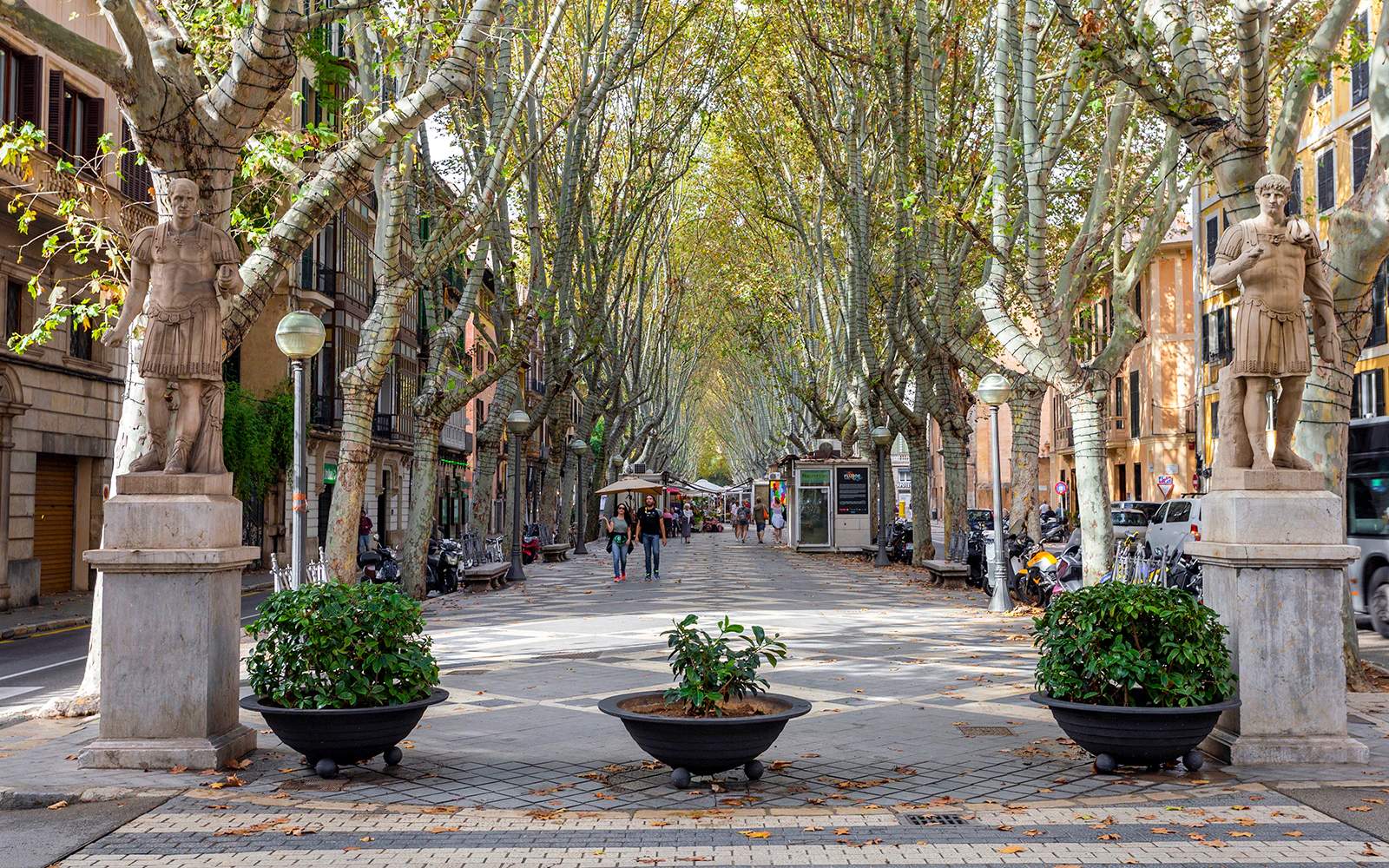
Street life around Rambla del Raval
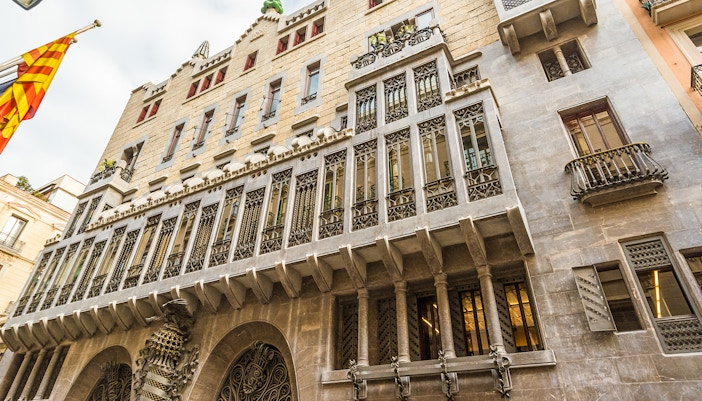
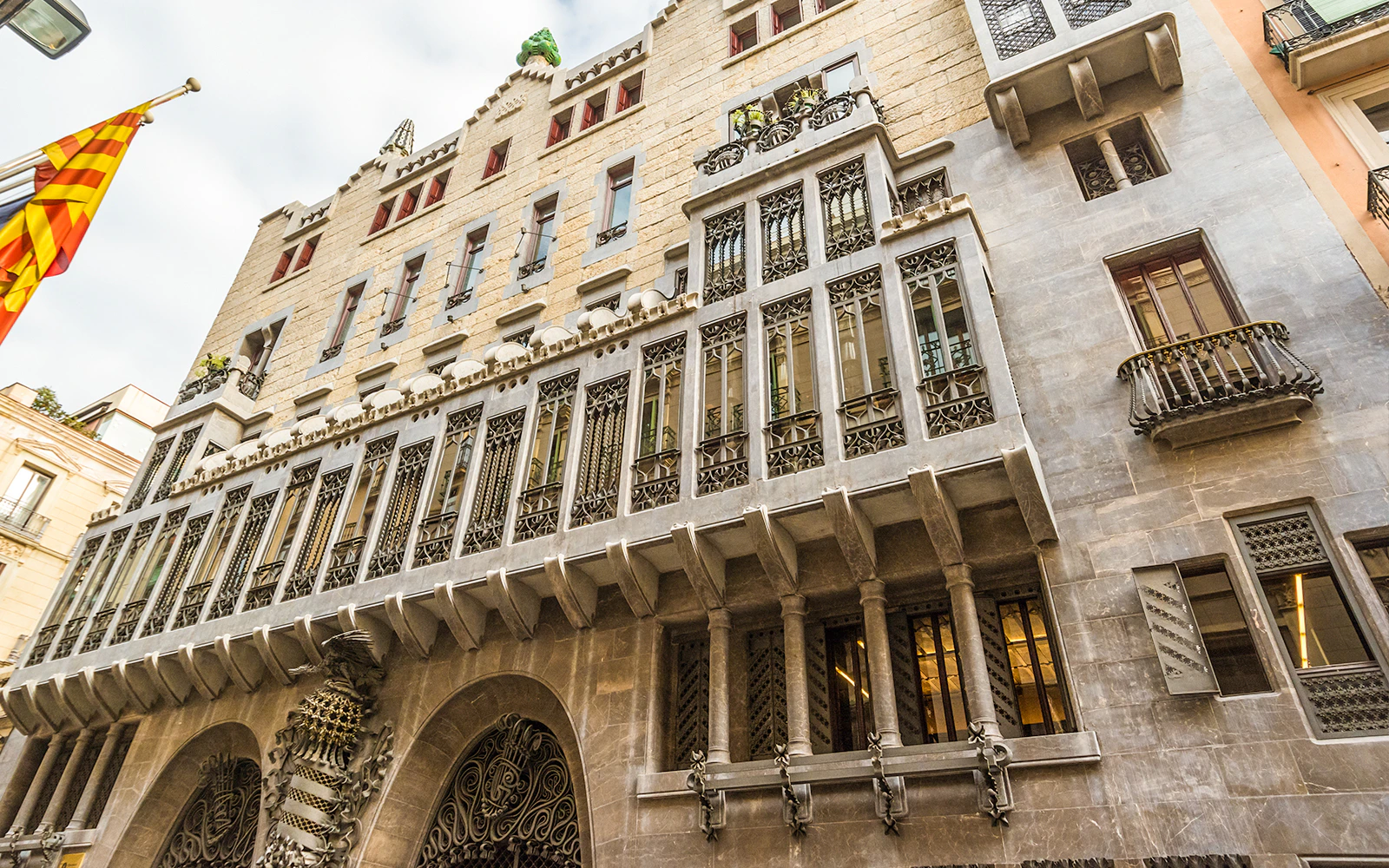
Palau Guell facade in El Raval
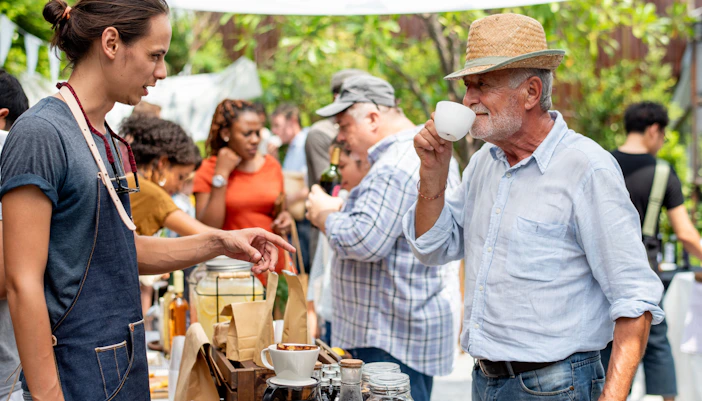
Dining streets in El Raval
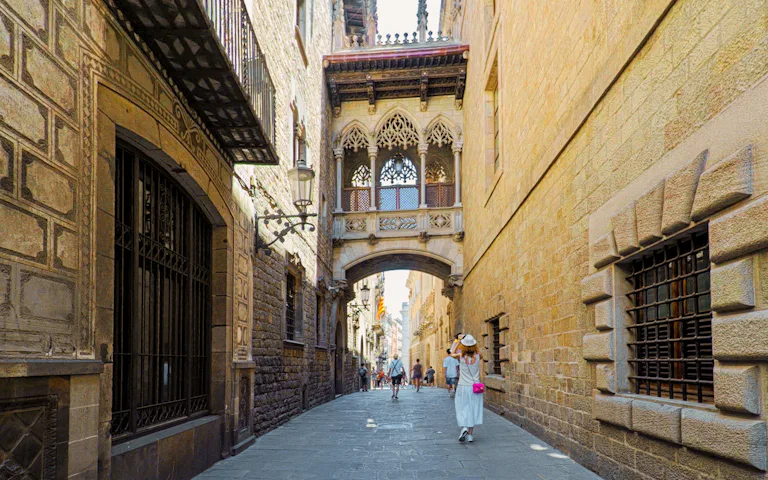
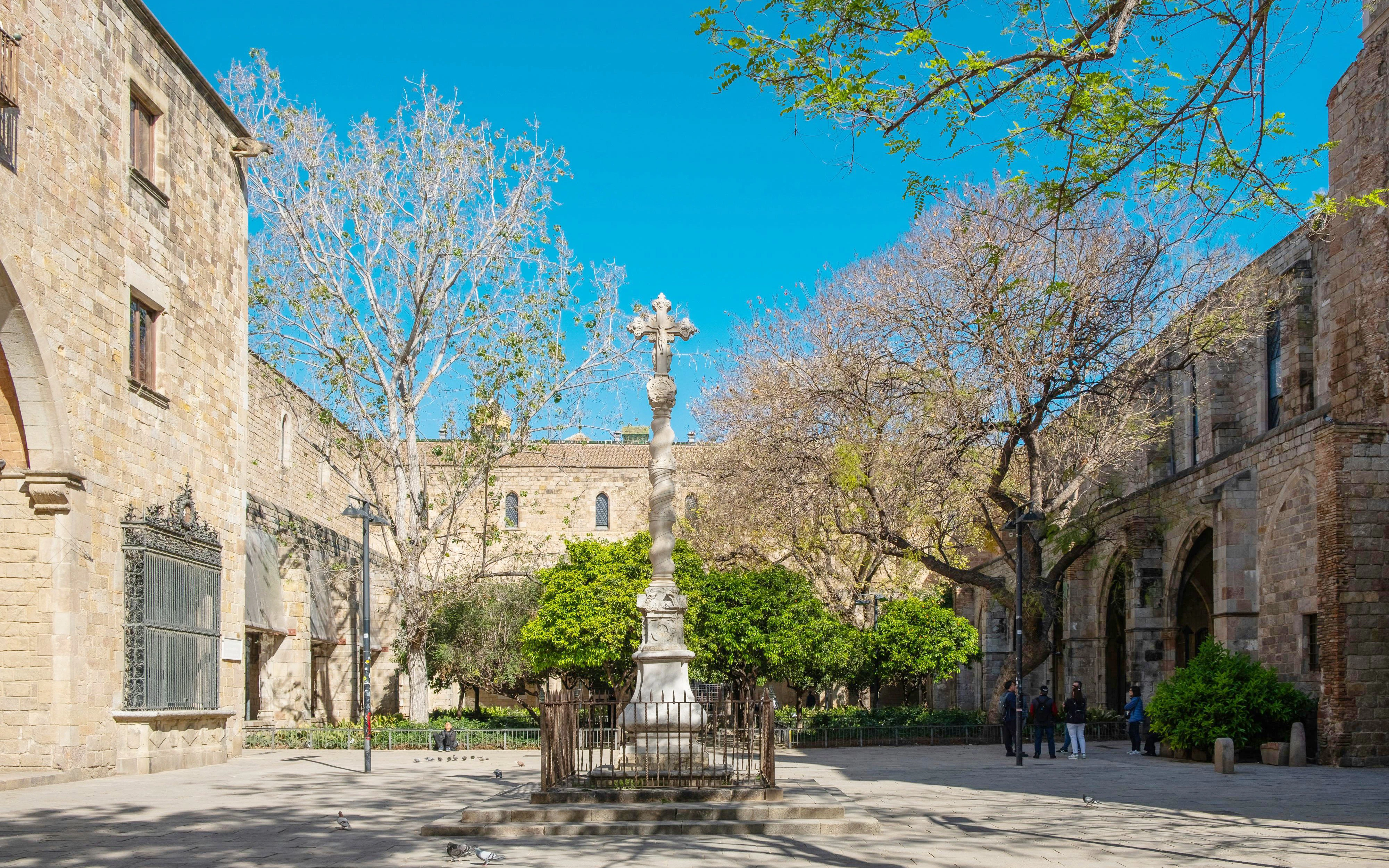
Walk from El Raval to central Barcelona
1/5

A serious museum cluster within one short walk

MACBA and CCCB sit almost door to door in upper Raval, so you can move from contemporary art to film, photography, and urban culture in minutes. Few Barcelona neighborhoods let you build that kind of dense cultural stop without transit. It also means you can duck indoors quickly if the weather turns.

Barcelona’s street life feels less staged here

Plaça dels Àngels, Rambla del Raval, and Carrer Joaquín Costa are used by residents, students, skaters, bar staff, and night crowds throughout the day. You’re not only moving between sights. You’re watching how this part of the city actually functions between museum doors, kebab counters, cocktail bars, and corner groceries.

Palau Güell shows Gaudí before the postcard phase

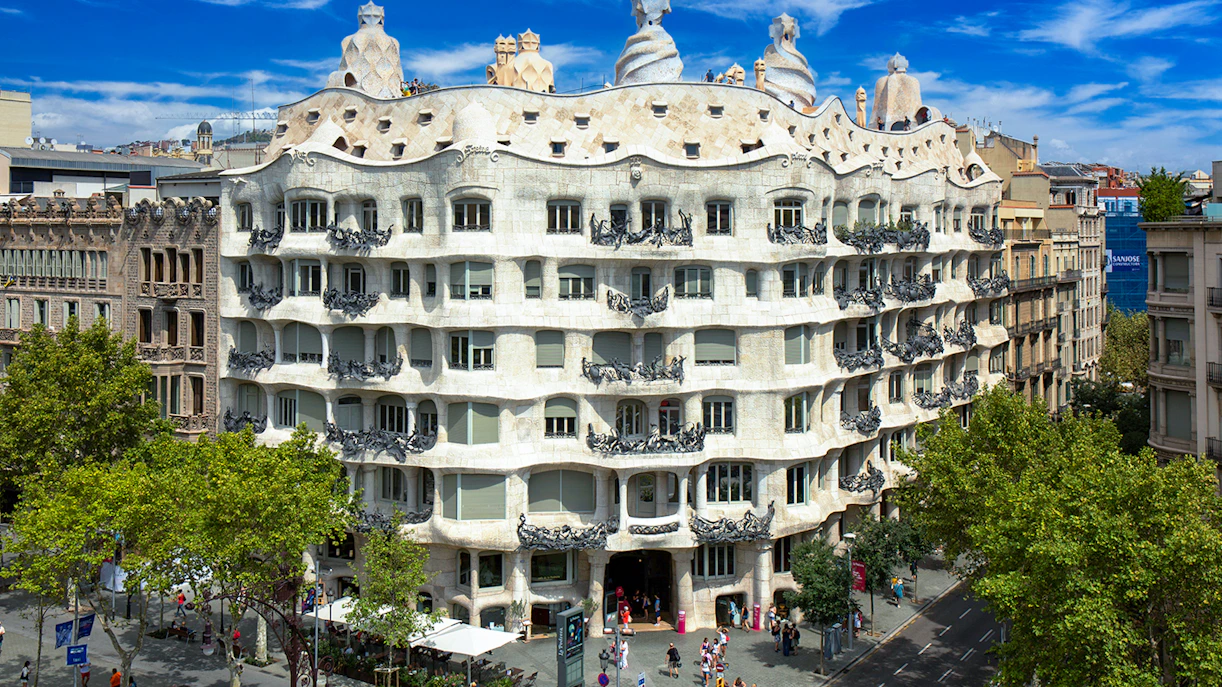
Built in the 1880s for industrialist Eusebi Güell, Palau Güell belongs to Gaudí’s earlier period, before Casa Batlló and Park Güell pushed his forms into full theatrical mode. The house matters because you can see the structural experiments already in place: parabolic arches, controlled light, and a rooftop treated as sculpture. In El Raval, that history sits off a lived-in street, not on a ceremonial avenue.

You can eat well without staying on La Rambla

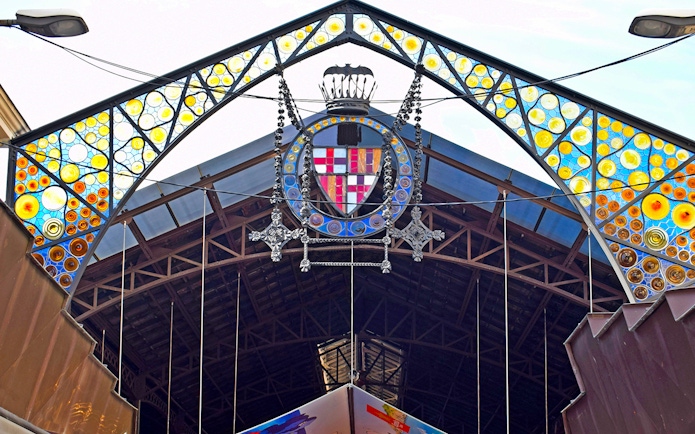
The useful move here is to use La Boqueria as a marker, then step back into Raval for your actual meal. Carrer del Carme, Carrer Joaquín Costa, Carrer Doctor Dou, and Rambla del Raval give you menus that feel less engineered for passing crowds. That matters if you want a real menú del día rather than a laminated tourist special.

It links cleanly with the rest of central Barcelona

El Raval sits between Plaça Catalunya, Sant Antoni, the Gothic core, and the southern Rambla stretch, so it works well as a bridge neighborhood rather than a sealed-off district. You can walk to Barcelona Cathedral, Plaça Reial, or the port without committing to a full transport hop. For first-time visitors, that practicality is half the value.

Best ways to explore El Raval

A good walking route here usually starts around Plaça dels Àngels, cuts through the CCCB-MACBA museum cluster, then moves south via Carrer del Carme or Carrer de l’Hospital toward Rambla del Raval and Palau Güell. The neighborhood works best on foot because its contrasts happen block by block, not attraction by attraction.

Plan your visit

Pro tip

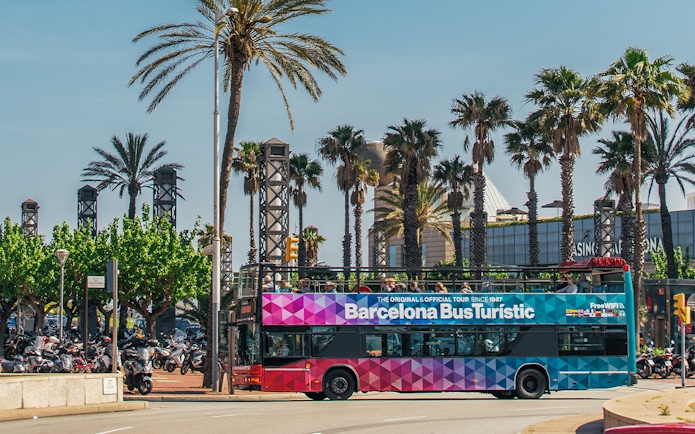
For the easiest overview of this part of the city, use Barcelona Bus Turistic: Hop-on Hop-off Bus Tour and start or finish at the La Rambla-Plaça Catalunya end of Raval. This pass combines El Raval with Montjuïc, Passeig de Gràcia, and the waterfront in one day.

Free things to do in El Raval

Suggested itinerary for visiting El Raval

El Raval is best approached as a north-to-south walk rather than a checklist. Upper Raval is museum-heavy and easier on first-time visitors; lower Raval gets denser, older, and more evening-oriented.

Tips for visiting El Raval

  • Use Liceu for lower and eastern Raval, and Universitat for MACBA, CCCB, and upper Raval. Picking the right station saves you 10–15 minutes of needless crossing.
  • If you want photos of MACBA without a crowd of skaters in the frame, go before 10am. Late afternoon is better for atmosphere, worse for clean architecture shots.
  • Skip the first restaurant that catches you on La Rambla. Walk two blocks into Carrer del Carme, Carrer Joaquín Costa, or Rambla del Raval for better-value lunch menus.
  • La Boqueria is easiest to handle as a short morning browse, not a midday meal stop. By lunch, the central aisles slow to a shuffle.
  • For a quieter route between upper and lower Raval, walk via Carrer de l’Hospital rather than hugging La Rambla. It feels more like the neighborhood and less like tourist spillover.
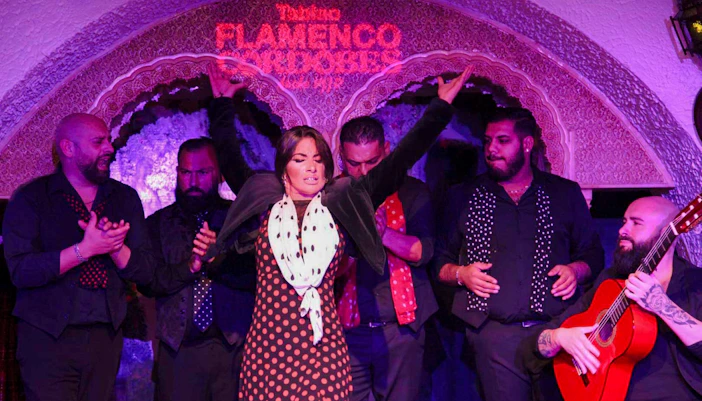
  • If you’re planning a flamenco night, book the show first and build dinner around it. Tablao Flamenco Cordobes sits close enough to Raval that a slow walk to the venue works better than rushing from the Gothic side.
  • Don’t judge El Raval by a single block. Plaça dels Àngels, Rambla del Raval, and Carrer Nou de la Rambla all behave differently, so the neighborhood makes most sense once you’ve walked through at least two of them.
  • For the best late-day street light, aim your camera at the Palau Güell frontage or the western side of Rambla del Raval after 5pm. Midday light is flatter and harsher.

Best photo spots in El Raval

MACBA facade from Placa dels Angels

Plaça dels Àngels facing MACBA at 8–9am

Stand on the open square opposite the museum entrance and face the long white façade. You’ll frame MACBA’s curved lines, the ramp, and early skaters with softer morning light before the plaza gets crowded.

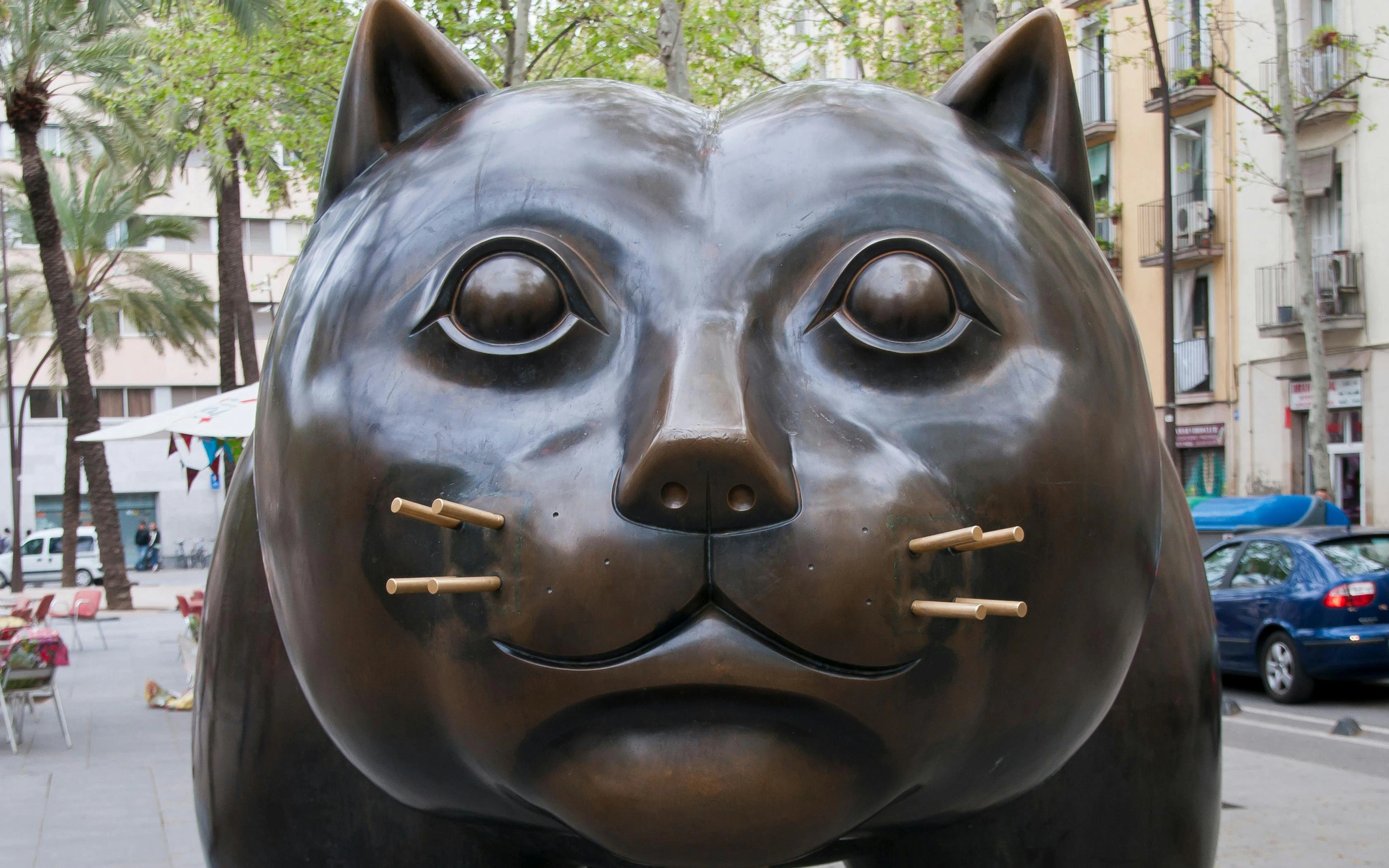
Botero cat on Rambla del Raval
Palau Guell entrance at golden hour
Cloister walkway at Jardins de Rubio i Lluch
La Boqueria entrance from Raval side

Dining in El Raval

Must-eat tip

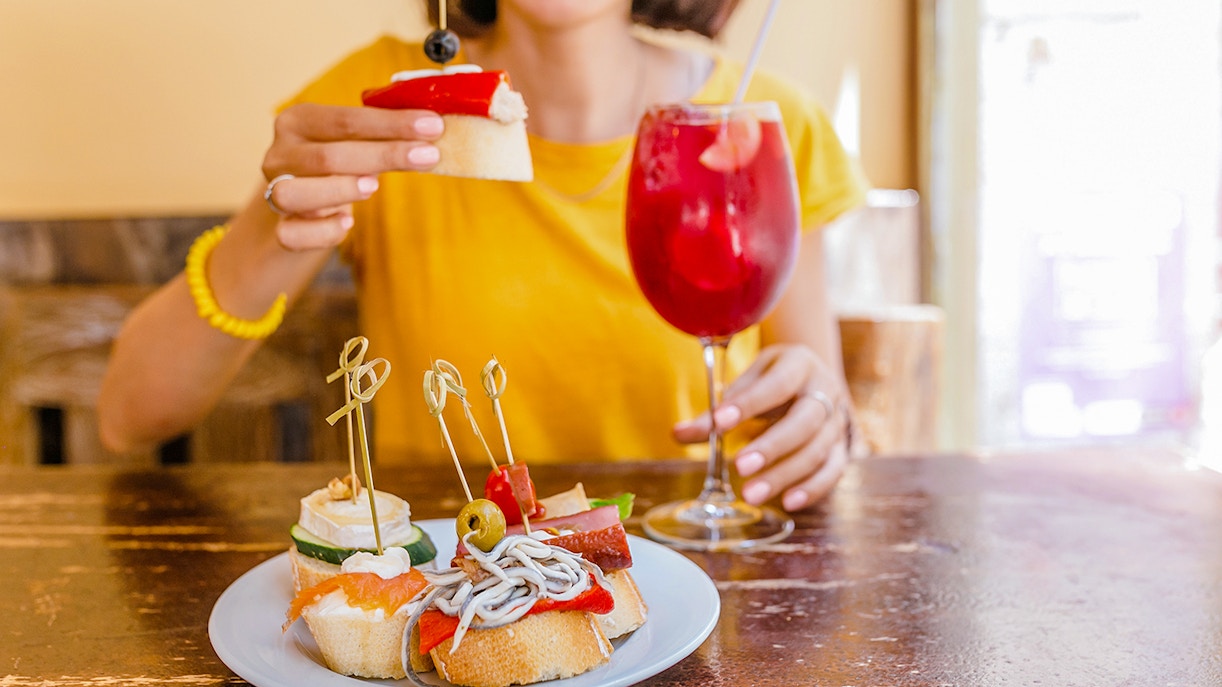
If you eat one thing in or around El Raval, make it pa amb tomàquet with Anxoves de l’Escala at Bar Cañete on Carrer de la Unió. It’s a direct, unfussy way to try a classic Catalan pairing without sitting through a long tasting menu.

Should you stay in El Raval?

Short answer: Yes, if you want a central base with museum access, late food, and easy walks across the old city. Less ideal if you want polished streets, quiet nights, or a resort-style feel.

  • The vibe — Early mornings around Plaça dels Àngels can feel almost spacious, but nights around Carrer Joaquín Costa, Rambla del Raval, and the La Rambla edge stay active late. You’re staying in a lived-in central neighborhood, not a curated hotel district.
  • The logistics — El Raval has boutique hotels, design properties, budget hostels, and short-stay apartments rather than a wall of big chain hotels. Prices are usually lower than top-end Eixample, but street noise, older buildings, and mixed block quality are real trade-offs.
  • Who it’s for — Best for solo travelers, couples, repeat visitors, nightlife-oriented travelers, and anyone who likes being able to walk to Plaça Catalunya, La Boqueria, and the Gothic core. Less suited to very light sleepers, travelers with a car, or families who want the calmest possible base.
  • Top recommendation — Look around Carrer del Doctor Dou, Plaça dels Àngels, or the upper end of Carrer del Carme for boutique hotels or serviced apartments. You stay close to MACBA, CCCB, and Universitat while avoiding some of lower Raval’s late-night drag.

Explore other neighborhoods in Barcelona

Frequently asked questions about El Raval

No. La Rambla is the boulevard on El Raval’s eastern edge, while El Raval is the full neighborhood west of it. If you leave the boulevard and head into streets like Carrer del Carme, Carrer de l’Hospital, or Rambla del Raval, you’re in El Raval proper.