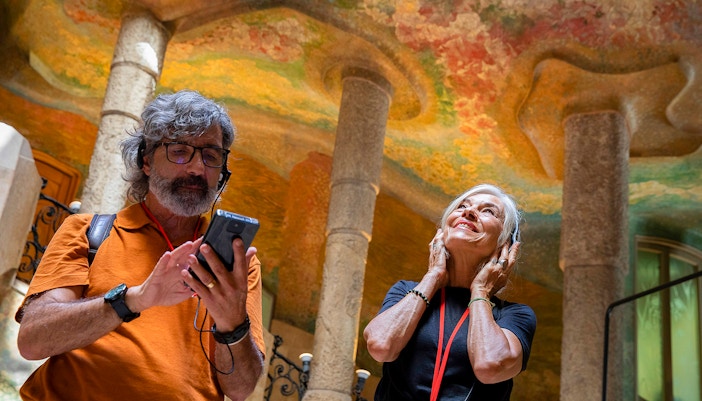
Take a Close Look at What's Inside Casa Mila

Casa Mila, also known as "La Pedrera," is a modernist building located in Barcelona, Spain. The building was designed by Antoni Gaudi and was completed in 1912. This iconic structure is known for its unconventional appearance, with a rough-hewn stone facade and a lack of ornamentation. The building is now a museum and cultural center and is open to the public. Step inside Casa Mila and discover its beautiful architecture with this guide.

About Casa Mila

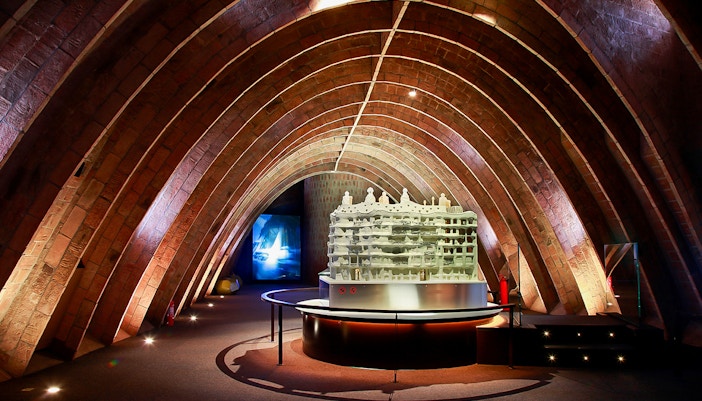
There are several things to see inside Casa Mila. The building is home to a museum, which features exhibits on the life and work of Antoni Gaudi and the history of the building. The museum is located in the attic of the building and is accessible via a series of winding staircases.

The exhibits include a range of materials, such as original drawings, photographs, and models, that provide insight into Gaudi's design process and the history of the building. In addition to the museum, visitors can also see the building's public spaces, such as the entrance hall, the salon, and the ballroom.

More about Casa Mila

Top things to see inside Casa Mila

The Entrance Hall

The building's entrance hall is a striking space, with a sweeping staircase and a skylight that floods the space with natural light.

The hall is decorated with a series of mosaics depicting the four elements (earth, air, fire, and water), which were created by Gaudí's collaborator, Josep Maria Jujol. The entrance hall is located on the ground floor of the building and is accessed via a set of large, wooden doors.
The Salon

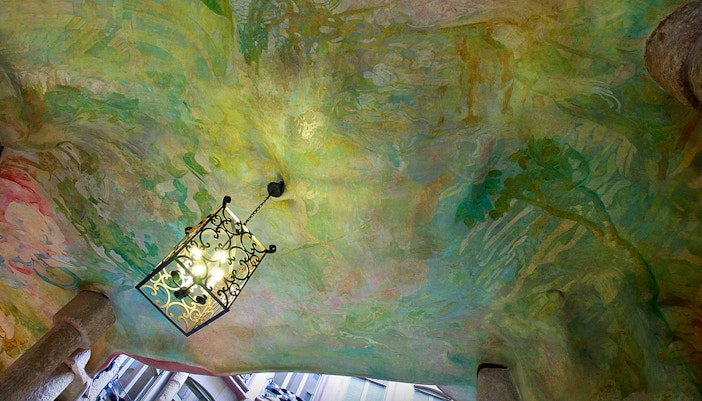
The building's salon is a large, open space. The room is decorated with a series of murals, which depict the seasons and were created by the artist Francesc d'Assis Gali. The murals are painted on the walls and ceiling of the salon and depict various scenes related to the seasons, including fields of flowers, snow-covered landscapes, and autumnal forests.

The Ballroom

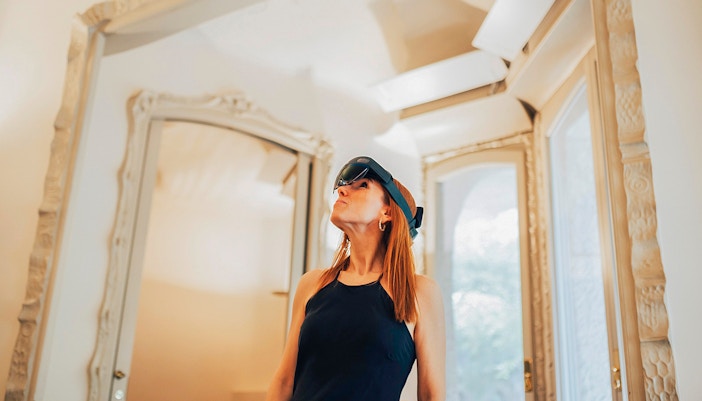
The building's ballroom is a grand rectangular space with high ceilings and large windows that provide plenty of natural light. The room is decorated with a series of plaster reliefs that depict various themes, including music, dance, and nature.

The Rooftop Terrace

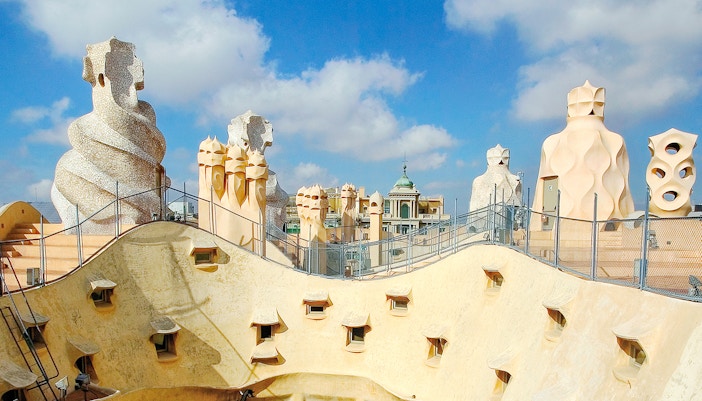
The building's rooftop terrace offers panoramic views of Barcelona and is a popular spot for tourists. The rooftop is accessed via a series of winding staircases that lead up from the attic. The rooftop is decorated with a series of stone carvings. The carvings depict a range of themes, including nature, mythology, and the four elements (earth, air, fire, and water).

About the Casa Mila rooftop

The Museum

Located in the attic of the building, the museum features exhibits on the life and work of Antoni Gaudi and the history of the building.

The museum features a range of exhibits, including original drawings, photographs, and models, that provide insight into Gaudi's design process. The exhibits are organized in a series of galleries, which are connected by a series of winding staircases.

The Courtyard

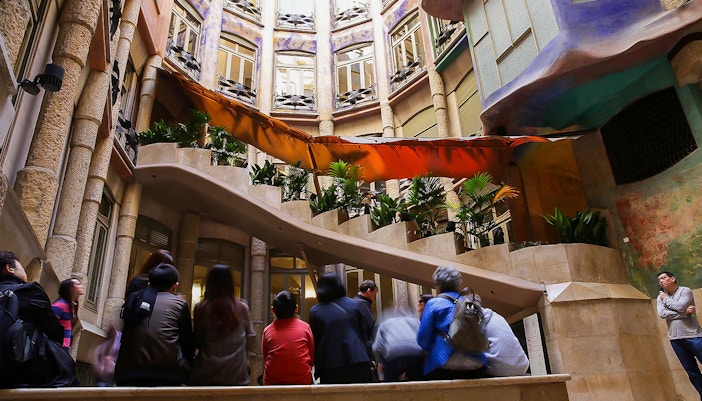
The building has a central courtyard that is surrounded by private apartments. The courtyard is decorated with a range of artworks, including mosaics, murals, and plaster reliefs, which were created by artists working in the Catalan Modernista style. The courtyard is also decorated with a series of stone carvings, which depict a range of themes, including nature, mythology, and the four elements (earth, air, fire, and water).

The Private Apartments

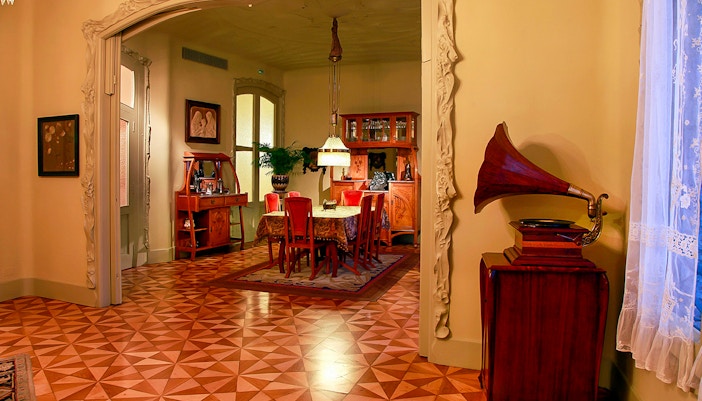
The building's private apartments are located on the upper floors and are not open to the public. However, visitors can get a glimpse of the apartments from the building's courtyard. The apartments were the original living spaces of Pere Mila i Camps and his wife Roser Segimon i Artells, who commissioned the building as their family home.

More about what's inside Casa Mila

There are several things to see inside La Casa Mila:

  • Witness the history of Gaudi and Casa Mila: The museum inside Casa Mila features exhibits on the life and work of Antoni Gaudi and the history of the building. The exhibits include a range of materials, such as original drawings, photographs, and models, that provide insight into Gaudi's design process and the history of the building.
  • Know how the original owners lived: In addition to the museum, visitors can also see the building's public spaces, such as the entrance hall, the salon, and the ballroom. These spaces are decorated with a range of artworks, including mosaics, murals, and plaster reliefs, and they provide a glimpse into the luxurious lifestyle of the building's original residents.
  • Get a birds-eye view of Barcelona: The building also has a rooftop terrace that offers panoramic views of the city, as well as a small indoor swimming pool that is located in the basement. Overall, there is much to see and discover inside La Casa Mila, and it is a must-see for anyone interested in modernist architecture or the work of Antoni Gaudi.

Casa Mila Architecture

Can I go inside Casa Mila?

Yes, you can go inside Casa Mila and experience its infinite riches. You will need to purchase Casa Mila tickets online. The building is open to the public and can be visited as part of a guided tour. The tours are conducted in a variety of languages and typically last around one hour. During the tour, visitors can explore the building's public spaces, such as the entrance hall, the salon, and the ballroom, as well as the museum, which is located in the attic of the building.

You can make use of the audio guide to get a deeper dive into the history of Casa Mila. You can use skip-the-line tickets to go inside Casa Mila. Combo tours are also available that will help you access Casa Batllo and Barcelona aquarium in addition to Casa Mila. You will also have the option to explore Casa Mila at night or at dawn should you wish to.

Facts about Casa Mila

Visitor tips

  • There is a lot to see and do inside La Casa Mila, and it is a good idea to take your time and explore the building at your own pace.
  • Casa Mila is a popular tourist attraction, and tickets can sell out quickly. It is recommended to purchase tickets in advance online.
  • The building has a number of stairs and uneven surfaces, so it is advisable to wear comfortable shoes that are easy to walk in.
  • Casa Mila has a number of rules like prohibitions on taking photos inside the museum and on eating and drinking in the building. Please follow them to ensure a pleasant visit for everyone.
  • The building has a limited number of restrooms, and they are not always easily accessible. It is a good idea to use the restrooms before the tour.
  • It is advisable to allow extra time to explore the building and its surroundings as it is located in a lively neighborhood.
  • The tours of Casa Mila are conducted by trained guides. Make sure you listen to them and ask questions to get the most out of your visit.
  • The building has a rooftop terrace that offers panoramic views of the city, and it can get quite sunny, so wear sunscreen, especially on hot days.
  • It is vital to stay hydrated while visiting. Bring a bottle of water with you or purchase one at the building's gift shop.
  • To avoid crowds, it is a good idea to plan your visit for the morning or late afternoon, when the number of visitors tends to be smaller.

Frequently asked questions about what's inside Casa Mila

There are several things to see inside La Casa Mila. The building is home to a museum, which features exhibits on the life and work of Antoni Gaudi and the history of the building. You can also see the swimming pool, the private apartments, the ballroom, the salon, and the entrance hall.