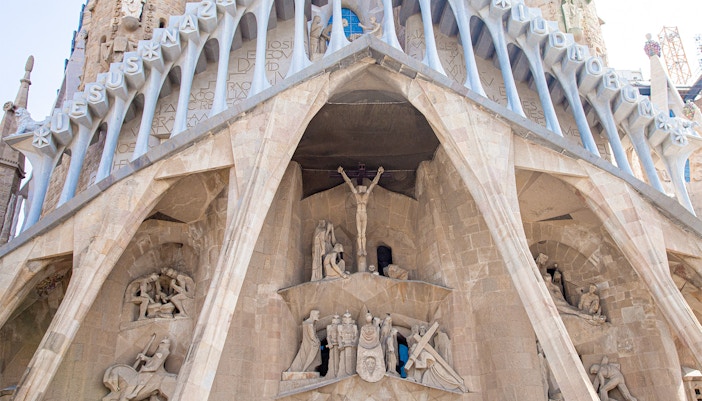
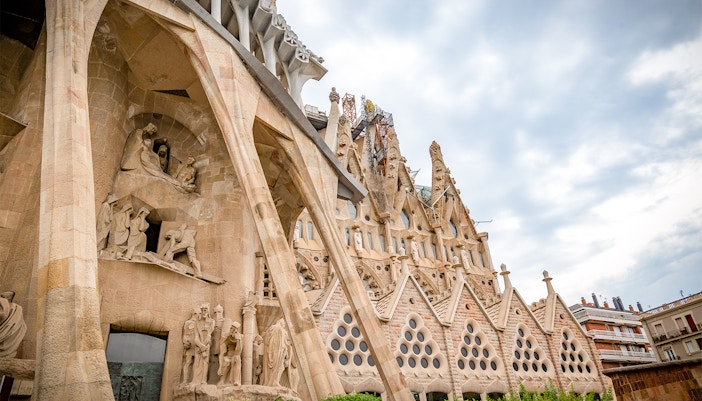
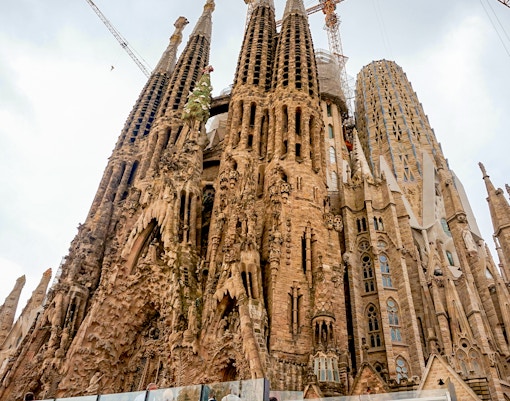
This is the oldest and most ornate part of the basilica, built during Gaudí’s lifetime. If your ticket includes this entry, prepare to be blown away. The map marks this entrance on the northeast side. It’s often less crowded than the others and offers a deep dive into Gaudí’s spiritual vision.
Navigate like a pro with this handy Sagrada Familia map
So, you've landed in the vibrant heart of Barcelona, camera in hand, sun on your shoulders, and one big goal: visit the iconic Sagrada Familia. But this isn’t your run-of-the-mill church. This basilica is a labyrinth of jaw-dropping façades, sky-high towers, artistic marvels, and tucked-away corners underground. Without a map, it’s easy to miss the magic hiding in plain sight.
Sagrada Familia map layout
Let’s break it down: the Sagrada Familia isn’t just a single hall with pews and stained glass. It’s more like a massive architectural maze, split into distinct zones, each loaded with meaning and design. Knowing the basic layout will make following your Sagrada Familia map a total breeze.
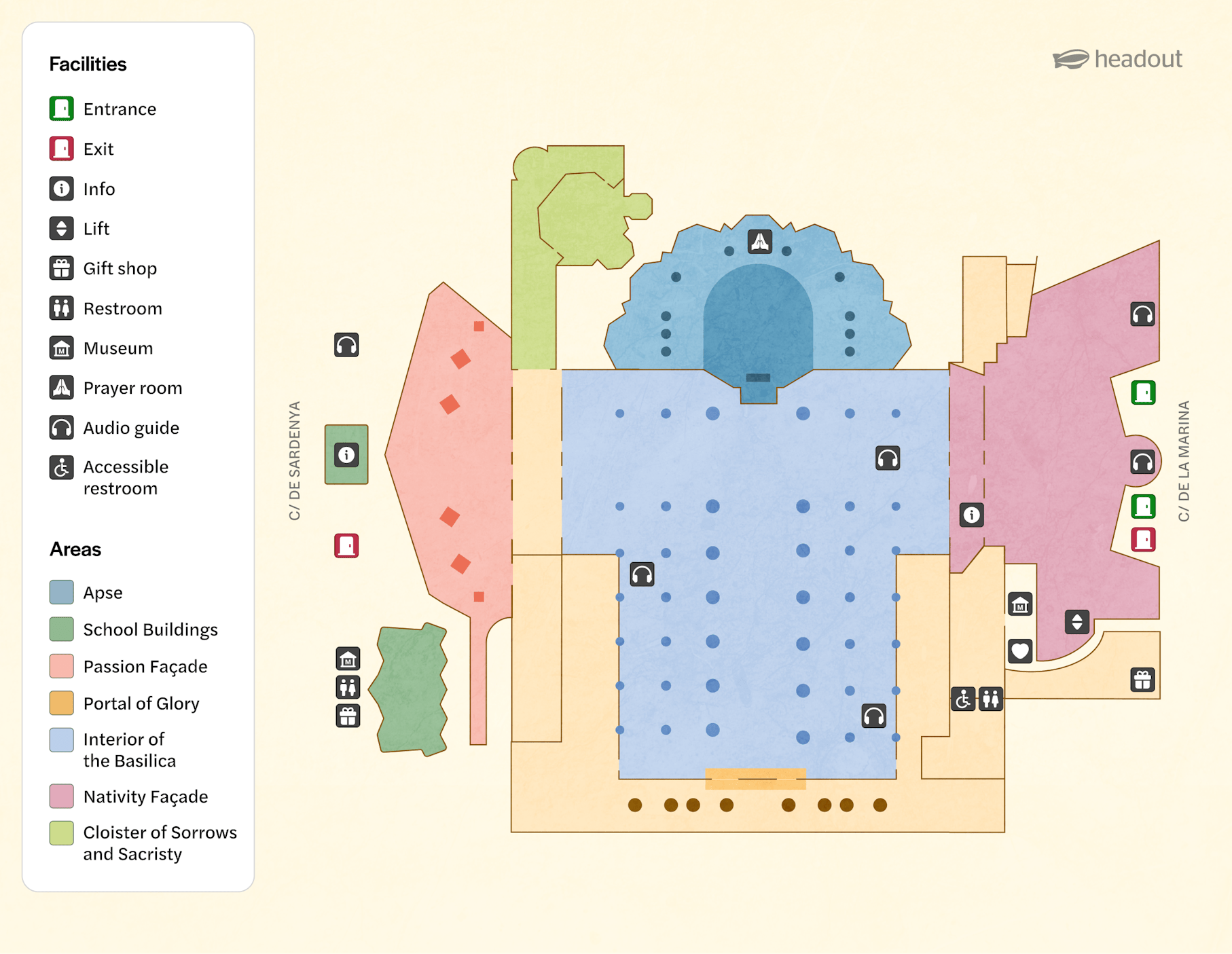
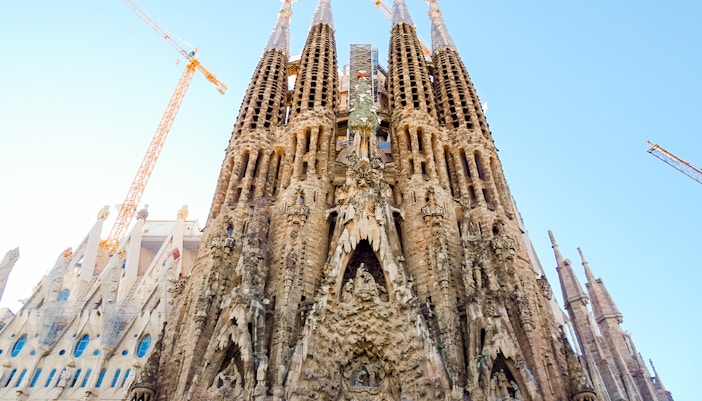
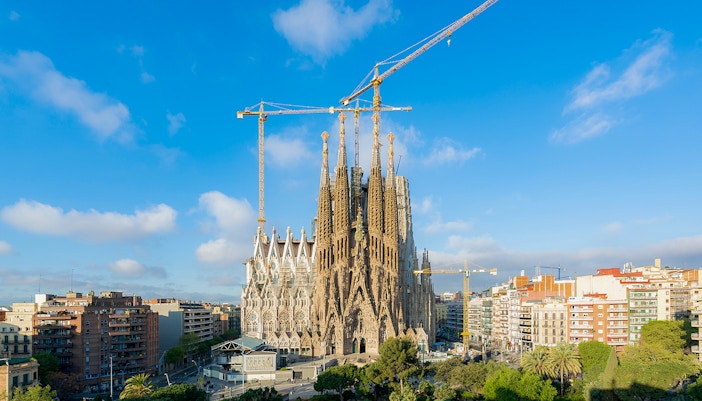
The basilica is roughly shaped like a rectangle, oriented diagonally. It’s flanked by three monumental façades:


Passion Façade
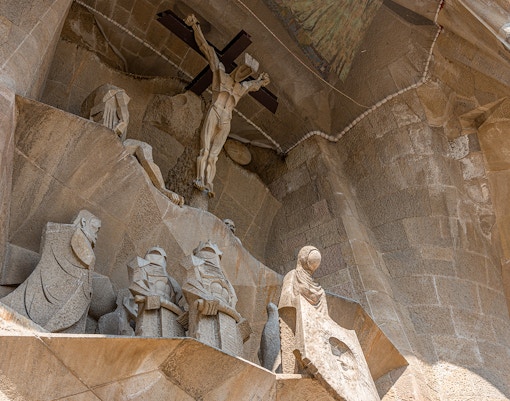
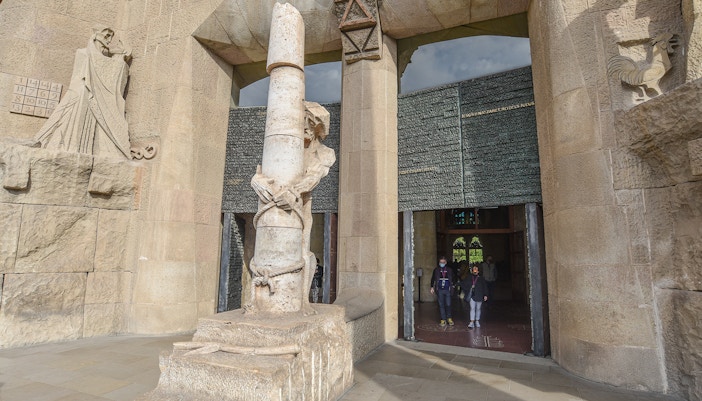
On the southwest side, this entrance leads you through a stark and modern depiction of Christ’s suffering. The sculptures here are minimalist and geometric, very different from the Nativity. If you’re all about dramatic contrasts, start here.

Glory Façade
Still under construction (like most of Sagrada Familia, let’s be honest!), this is where visitors will eventually enter in a grand procession. It’s on the southern end and is often referenced in the latest versions of the Sagrada Familia map to indicate future layouts.
Highlights of what’s inside

Nave
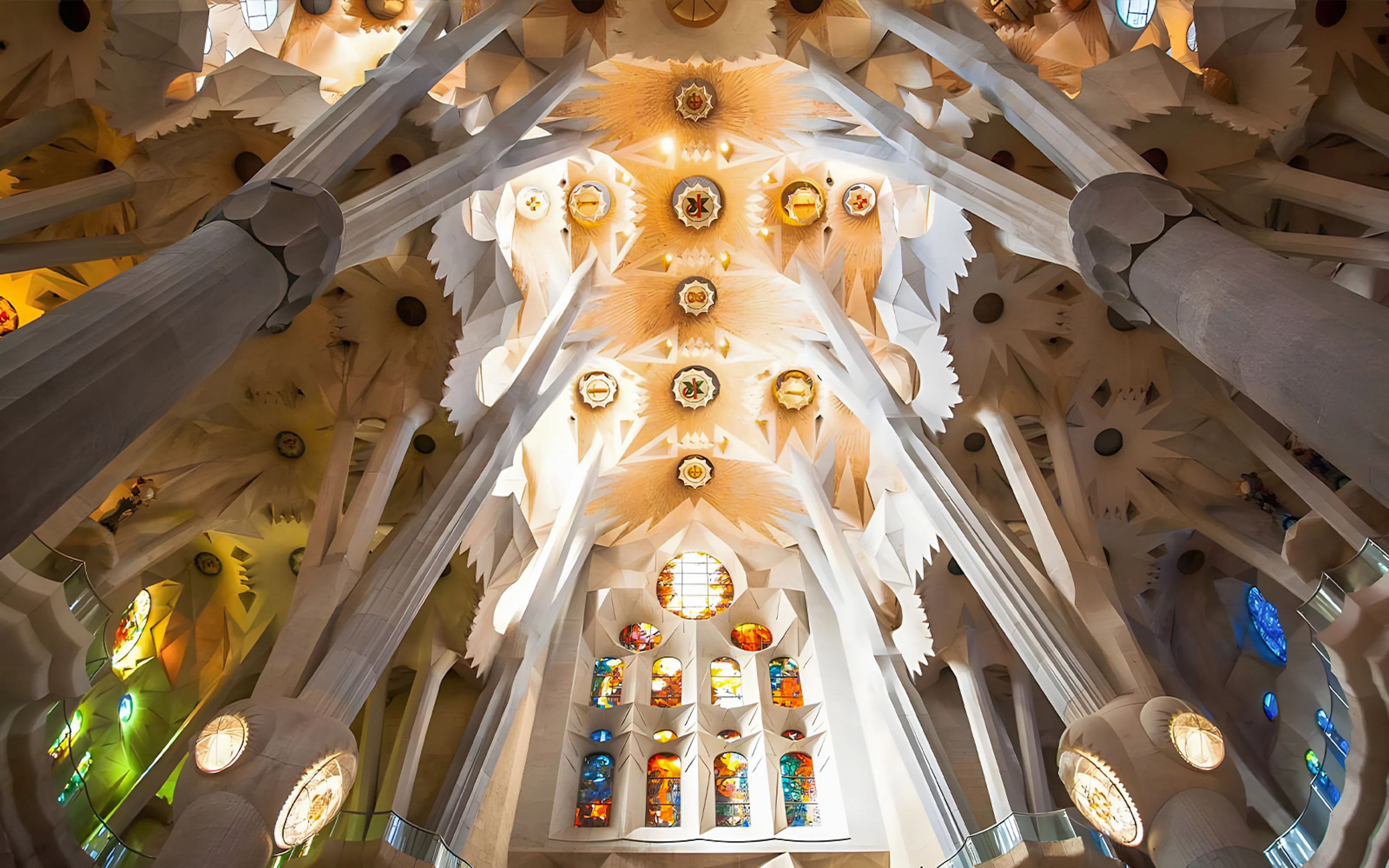
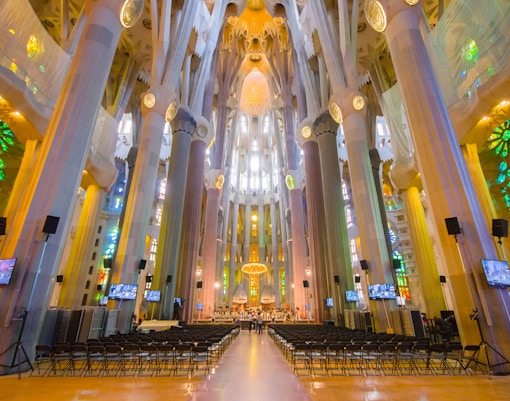
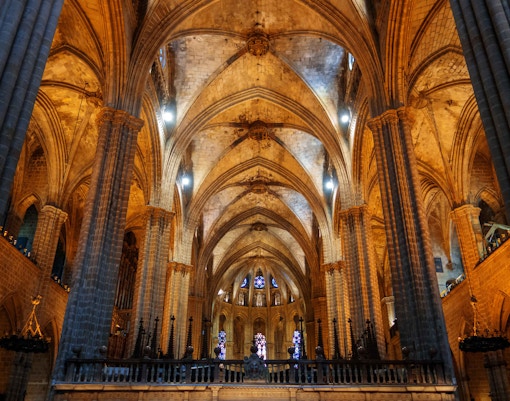
Step inside and the central nave hits you like a burst of divine sunlight. The tall columns resemble trees reaching for the heavens. On your map, this is the central block — the heart of the church. To know what we mean by that, just look up!
Apse and the altar
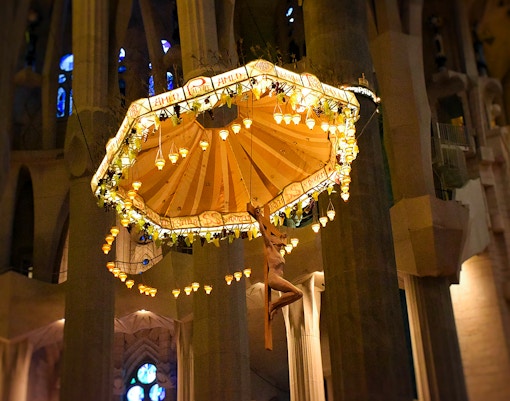
Located directly ahead when entering from the Nativity façade, this is the sacred zone. It’s usually marked with a big cross icon on maps. This is where services are held and where Gaudí’s remains are buried, right beneath the altar.
Towers
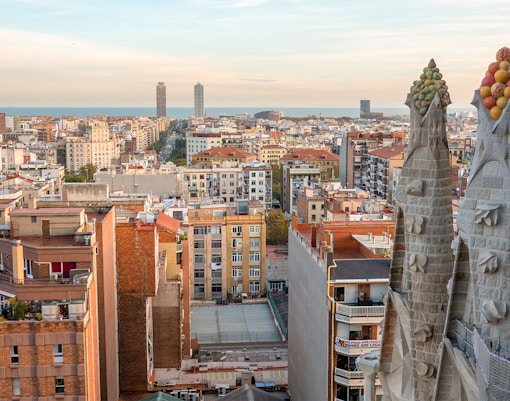
There are currently eight completed towers (of the 18 planned). On the Sagrada Familia map, they’re usually marked in vertical color-coded segments. Access to the towers is ticketed separately, and the map will show you the elevators and staircases for descent.
Crypt
Beneath the main basilica lies the lesser-known crypt, which is marked with a “C” or downward arrow on most digital maps. This area contains a small museum, Gaudí’s tomb, and a quiet chapel.
How to navigate the layout

Step 1: Start at the Nativity Façade, absorbing the intricate sculptures.

Step 2: Enter through the nave. Admire those “stone trees” and light-drenched stained glass.

Step 3: Walk toward the altar and apse, where services are held.

Step 4: If you’ve got tower tickets, now’s the time to head up. Check your entry point on the map!

Step 5: Finish at the Passion Façade, experiencing the intense sculptural storytelling.

Step 6: Head down into the crypt. It’s usually quieter and great for reflection.
Frequently asked questions about Sagrada Familia map
Yes, especially if you want to explore efficiently and understand what you're seeing. A map helps you navigate façades, towers, and pathways without missing key highlights.
It depends on your ticket. Most people enter through either the Nativity or Passion façade. Check your ticket or follow the map legend to find your entry point.
As of now, visitors can enter two towers (one on each façade). Access depends on your ticket, and the map marks which elevators serve which towers.
Yes, it is! It’s accessible from inside the basilica and clearly labeled on most maps as a lower-level or “underground” zone.
Absolutely. Digital versions of the Sagrada Familia map include interactive elements and QR codes for on-the-go access.
Start early, enter through the Passion Façade, and follow the inner route to the Nativity side. Maps with directional arrows will help you move in a fluid, less congested path.