



Top things to do in Barcelona

Quick overview
  • Access: Included in all Sagrada Familia tickets
  • Separate ticket: Not required
  • When you’ll see it: Final stop on most basilica routes
  • Visit duration: 20–30 mins self-guided/35–45 mins after a guided basilica tour
  • Best time: First weekday entry slot; the display cases are quietest before later groups filter downstairs
  • Restrictions: Dress code enforced. Large bags are screened at access control.
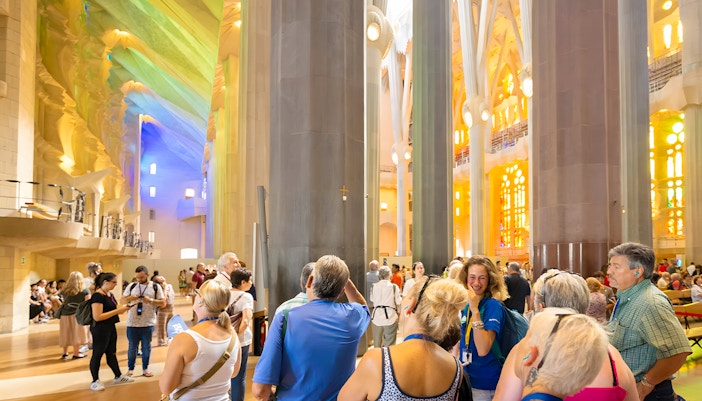
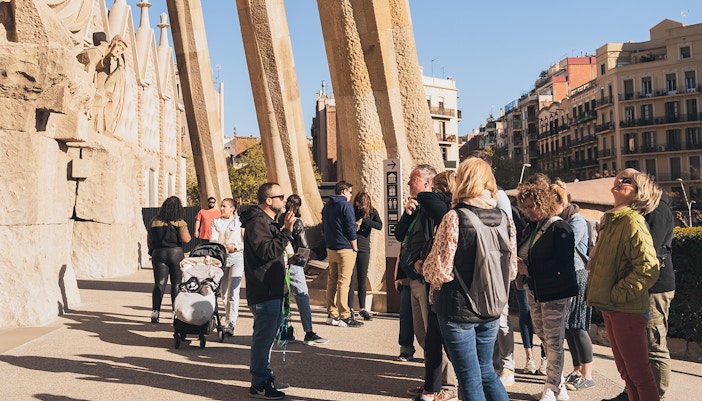
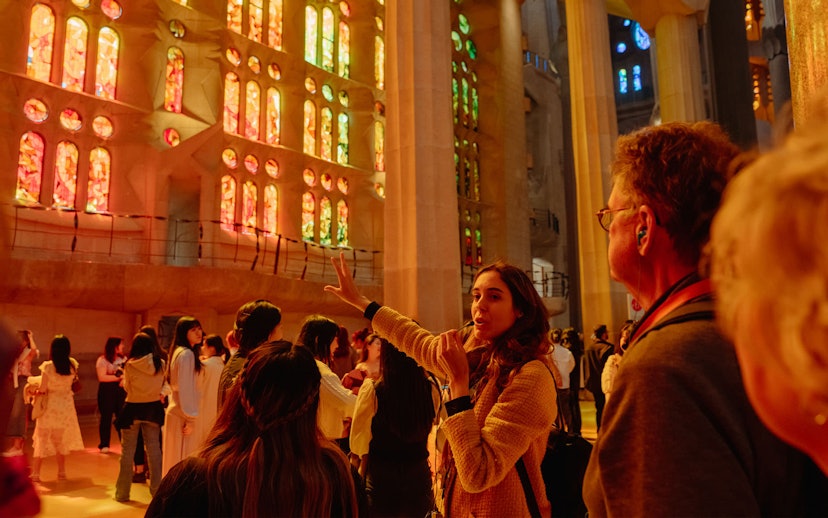
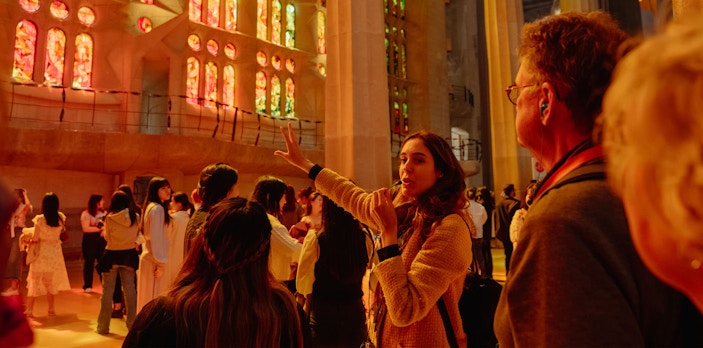
Tour guide explaining Sagrada Familia's stained glass interior to visitors.

The Sagrada Familia Museum is included with all Sagrada Familia tickets. No separate ticket is needed. You’ll usually reach it near the end of the visit, below the basilica, after the nave and often after any tower access, and most people stop there just before exiting. Book a fast-track ticket or guided tour so you reach the museum with enough time left to study the models instead of treating it like a pass-through.

How to best experience the Sagrada Familia Museum
Best time to visit
The first weekday entry slot works best if the museum matters to you. You’ll reach it before late-morning tour groups cycle downstairs, so the cases stay readable and the space feels calmer. Don’t leave it for the busiest midday window.

How long to spend

Plan 20–30 minutes for a focused look, or 35–45 minutes if you read the captions and watch the audiovisual material. The hanging models and workshop displays need a little patience. If you rush, it feels like an exit corridor.

Where it fits in your itinerary

Most visitors reach the museum after the nave, and after tower access if they’ve booked it. Budget at least 60–90 minutes for the basilica before you arrive here. Leave some energy for it, or the displays will blur together.

Crowd patterns

Crowding peaks around 11am–2pm, when multiple entry slots overlap and guided groups finish the nave together. The museum stays looser than the church, but narrow display areas clog quickly. Opening hour and later afternoon are easier to manage.

What to prioritize if time is short

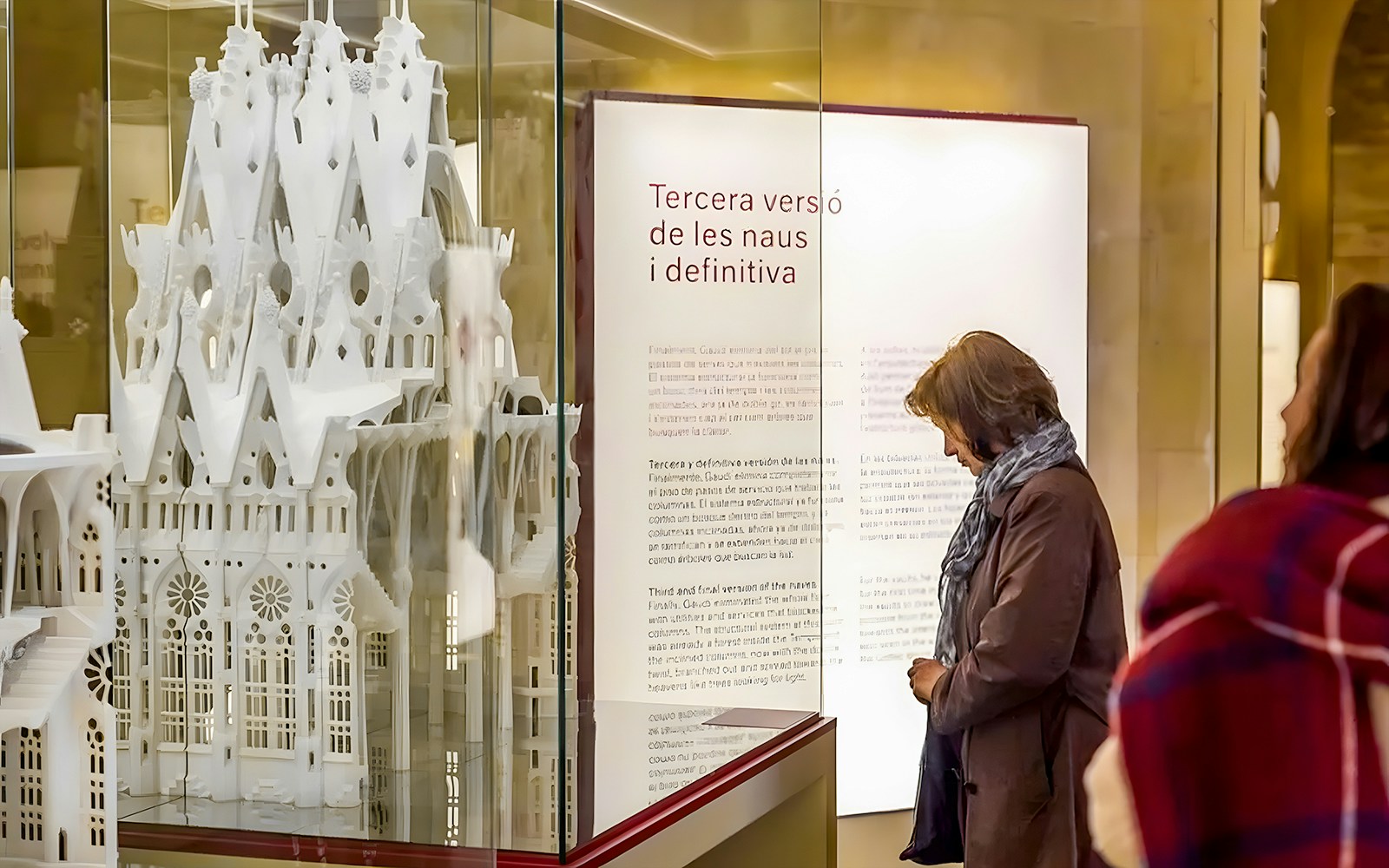
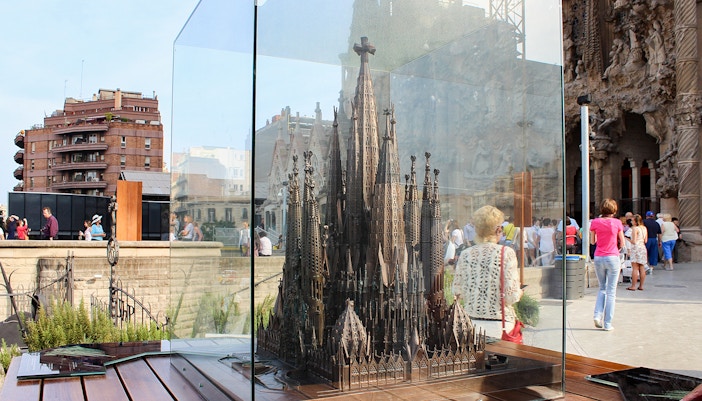
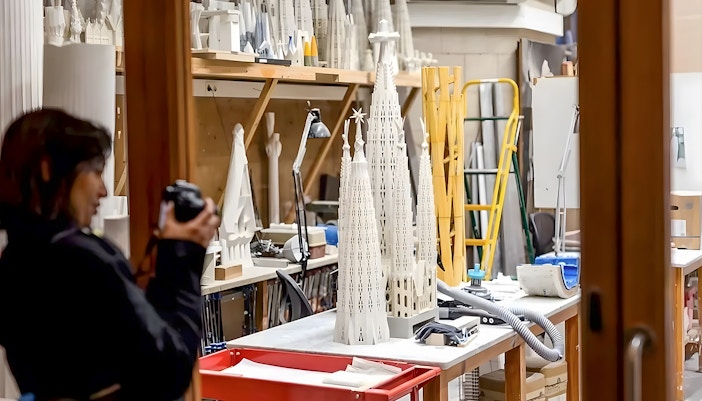
If you only have 10 minutes, go straight to the hanging chain models, the reconstructed plaster models, and the construction photographs after the 1936 destruction. Those three displays explain how Gaudí designed, lost, and rebuilt the project.

Common mistakes to avoid

Most people either skip the museum entirely or save it for when they’re already mentally done. Another mistake is reading only the big labels and missing the upside-down model logic. Slow down here before you exit.

Best tickets to experience the Sagrada Familia Museum

Ticket typeWhy choose it

Fast-track ticket

Reach the museum without losing time in the entry queue, then explore the models at your own pace.

Guided tour

Understand the basilica first, so the museum displays feel connected instead of technical or abstract.

Guided tour with tower access

Pair the city views with the construction story and see both Gaudí’s vision and its engineering clearly.

Why it’s worth seeing

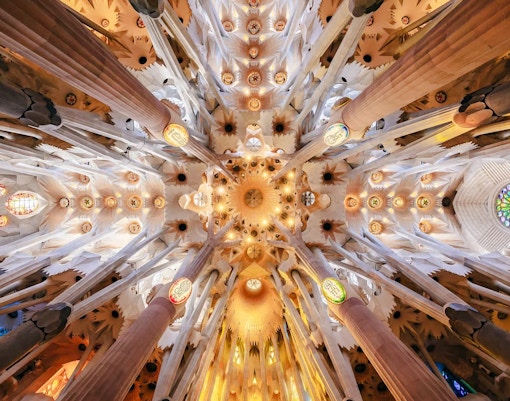
The museum is the one place inside Sagrada Familia where the basilica stops being a spectacle and starts explaining itself. Many visitors don’t realize Gaudí developed key forms using hanging chain models that were turned upside down to reveal structural curves. Once you know that, the nave above looks less decorative and more engineered. Start with the displays that decode his process, then move to the fragments that show how the project survived interruption and restarted.

The hanging chain models

Near the main model displays, look for the suspended strings and weights. Gaudí used them to find natural catenary curves; inverted, they become arches and vaults. This is the clearest shortcut to understanding why the basilica stands as it does.

Original drawings and plaster fragments
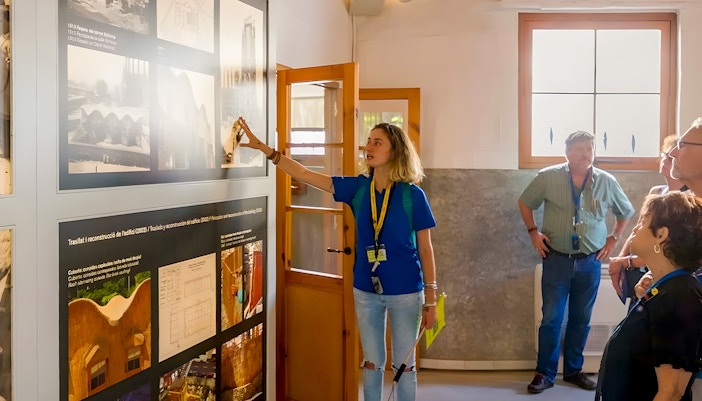
In the display cases of plans and fragments, focus on what survives and what was reconstructed after 1936. You’re not just looking at design sketches; you’re seeing evidence from a project that had to rebuild its own memory.

Construction photos and workshop displays

At the sections devoted to the workshop and later construction, compare early black-and-white photos with current models. They show how stone carving, digital methods, and long-term planning coexist here. It turns an unfinished church into a live construction archive.

Historical & cultural significance

What most visitors miss is that the museum explains a rupture as much as a creation: many original models and drawings were damaged or destroyed in 1936, and later architects had to reconstruct Gaudí’s intent from fragments. It began as a working archive for an unfinished church and still helps visitors read a basilica that remains under construction and in worship use today.
👉 Explore the full history of Sagrada Familia

Notable figures

Antoni Gaudí | Chief architect
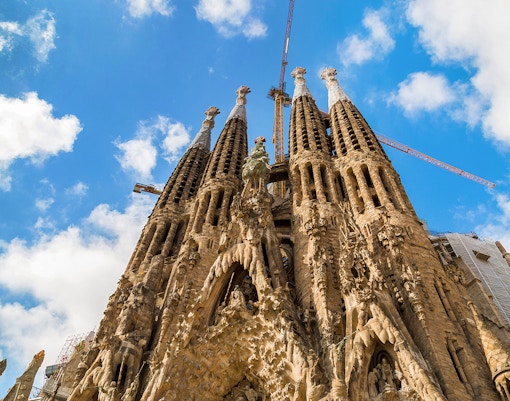
Turned a conventional Neo-Gothic project into a structural experiment shaped by nature, geometry, and light.
View Wikipedia

Domènec Sugrañes i Gras | Successor architect
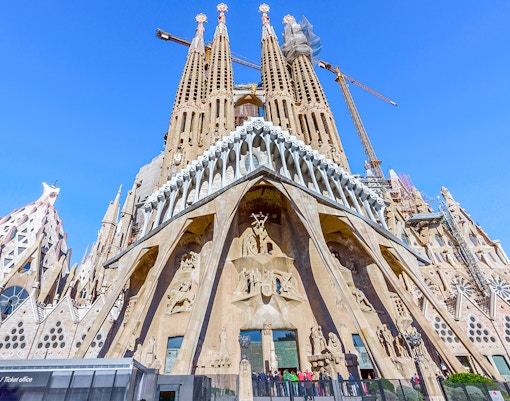
Gaudí’s close collaborator who carried work forward after 1926 and preserved crucial design continuity.
View Wikipedia

Josep Maria Subirachs | Sculptor
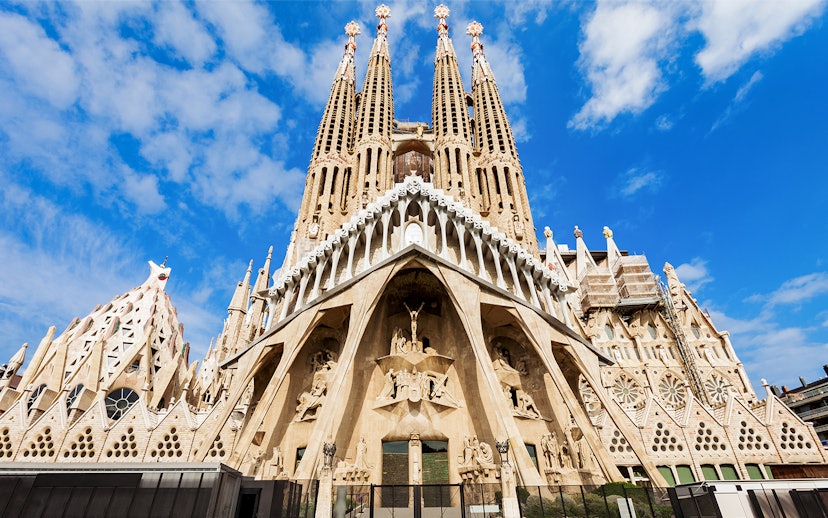
Created the Passion Facade sculptures, adding a sharply modern language to Gaudí’s church.
View Wikipedia

Francisco de Paula del Villar | Original architect

Started the project in 1882 before Gaudí took over and redirected its entire design.
View Wikipedia

Know before you go

  • Hours: The museum follows Sagrada Familia opening hours: Monday–Friday, 9am–8pm from April to September, 9am–7pm in March and October, and 9am–6pm from November to February.
  • Weekend hours: Saturdays are typically 9am–6pm year-round; Sundays are usually 10:30am–8pm from April to September, 10:30am–7pm in March and October, and 10:30am–6pm from November to February.
  • Special dates: January 1, January 6, December 25, and December 26 usually run shorter hours, often until 2pm.
  • Timed entry: You can enter only at your booked basilica time or up to 15 minutes afterwards.

Address: Carrer de Mallorca, 401, 08013 Barcelona, Spain

  • Nearest metro: Sagrada Família station on Lines L2 and L5, about a 2–3 minute walk to the visitor entrance.
  • Entry point: Enter through Sagrada Familia; the museum has no exterior entrance of its own.
  • Position in route: Most visitors reach the museum below the basilica, usually after the nave and near the end of the visit.
  • Direct access: Not possible; you must follow the internal visitor route after entering the basilica.
  • Wheelchair access: Yes; the museum is accessible through the basilica’s step-free route.
  • Elevators: Internal elevators support accessible circulation through the complex, though tower visits are not fully accessible.
  • Guide dogs: Guide dogs are welcome in the accessible areas of Sagrada Familia.
  • Seating: Limited benches are available, but expect most of the visit to involve standing and walking.
  • Strollers and mobility: Step-free access is available, though the exhibition areas can feel tight at peak times.
  • Required: Shoulders and knees must be covered inside the basilica and museum.
  • Not permitted: Tank tops, strapless tops, short shorts, short skirts, exposed backs or bellies, and see-through clothing.
  • Footwear: Flip-flops, bare feet, and swimwear-style attire are not accepted.
  • Headwear: Hats and caps are not allowed except for religious, spiritual, or health reasons.
  • Enforcement: Staff can refuse entry if clothing doesn’t meet the basilica’s rules.
  • Food and drink: Not allowed inside the museum or basilica.
  • Sharp items: Sharp metallic tools or objects are prohibited at security.
  • Bags: Large bags, rucksacks, luggage, and personal effects may be screened at access control.
  • Photography: Professional photographic, sound, and video equipment requires prior written authorization.
  • Conduct: The museum sits inside an active basilica, so disruptive behavior can lead to removal.

Frequently asked questions about the museum

Yes. Museum entry is included with every valid Sagrada Familia ticket. No separate museum ticket exists.

More reads