Fun Park Güell facts every Barcelona visitor should know

Park Güell is no ordinary public park; it’s a whimsical masterpiece designed by Antoni Gaudí in the early 20th century, right in the heart of Barcelona. Famous for its colorful mosaics, curvy architecture, and sweeping city views, this municipal park is as much a work of art as it is a green space. Ready to learn some Park Güell fun facts? Let’s dive in!

Read more about Park Güell >

6 Interesting Park Güell facts

1. Park Güell was originally designed as a residential estate

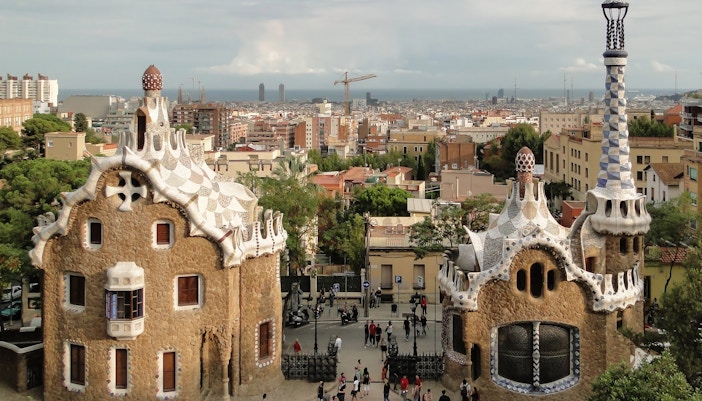
Hard to believe, but Park Güell was originally meant to be a swanky residential project. Eusebi Güell hired Gaudí in 1900 to design a hillside community for Barcelona’s elite. Fancy homes, garden views, and fresh air, it had all the makings of a dream neighborhood. But by 1914, the project flopped—only two houses were ever built. So instead of mansions, we got mosaics and monuments. The estate became a public park in 1926, and the rest is colorful, curvy history.

Know more

2. The design was inspired by nature

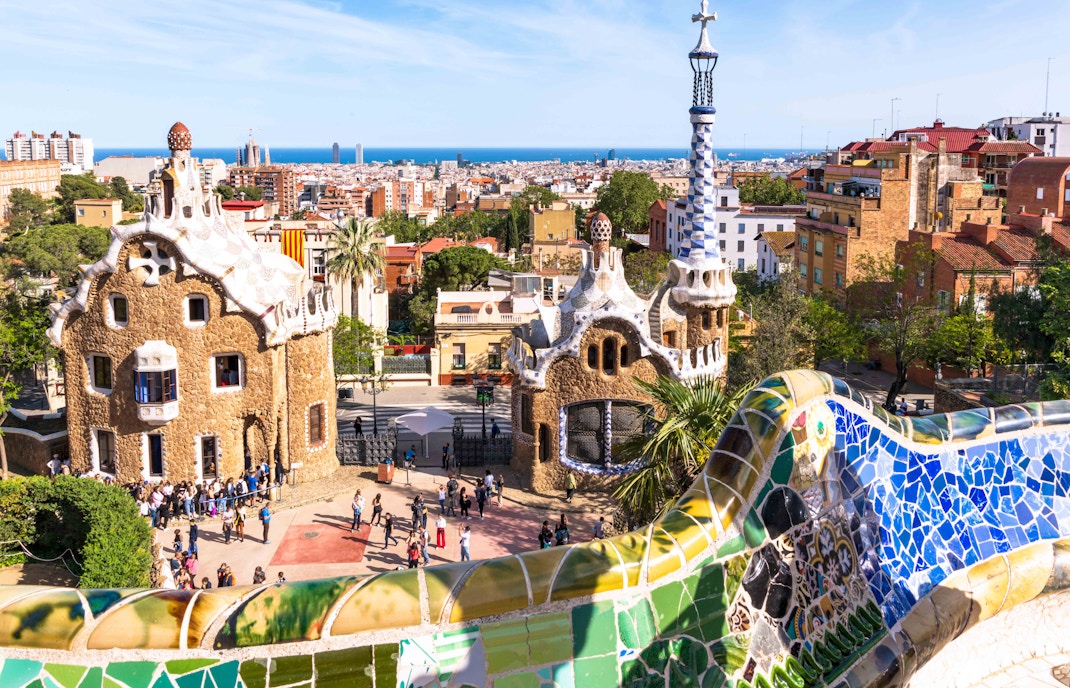
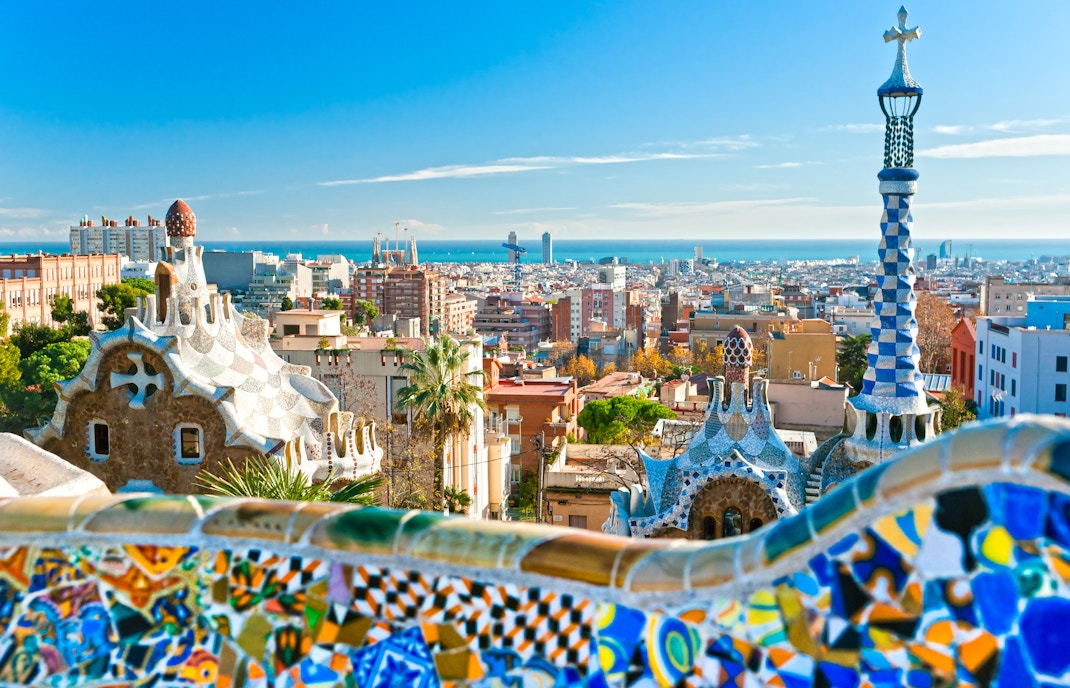
Gaudí wasn’t just inspired by nature—he practically collaborated with it. Park Güell was designed to follow the curves of the hillside, working with the landscape, not against it. From winding paths to wavy benches, everything mimics natural forms like tree trunks, seashells, and rocky caves. It's not just architecture, it's nature, reimagined in mosaic.

Know more

3. Park Güell gets its name from Gaudí’s patron

Park Güell gets its name from Eusebi Güell, a Catalan aristocrat, Gaudí’s close friend, and the man behind the original housing project. Inspired by British garden cities, Güell wanted a stylish, nature-filled estate in Barcelona. While the real estate dream didn’t pan out, his name and vision lives on in one of the city’s most iconic parks.

Know more

4. Antoni Gaudi lived in one of the houses

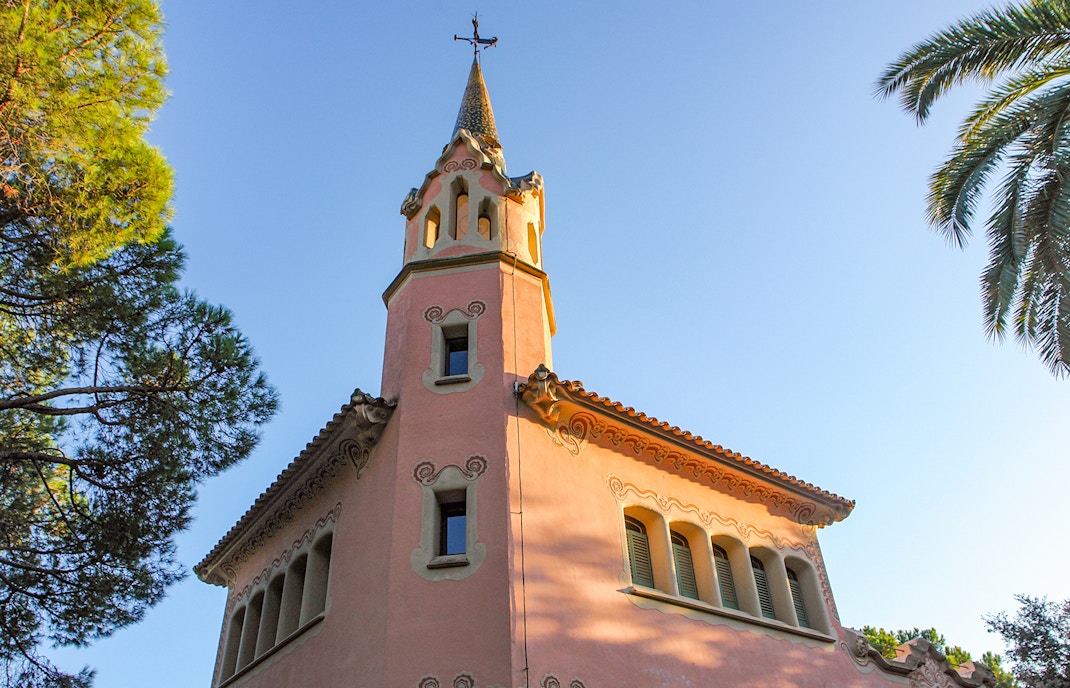
In 1906, Gaudí moved into one of the two showhouses in the park, at the suggestion of none other than Eusebi Güell. But here’s the twist: the house wasn’t even designed by Gaudí! It was actually the work of his collaborator, Francesc Berenguer. Gaudí lived there with his family and elderly father until his death in 1926. Today, it’s a museum dedicated to his life—talk about full-circle.

Know more

5. The Hypostyle Room was intended to have a different purpose
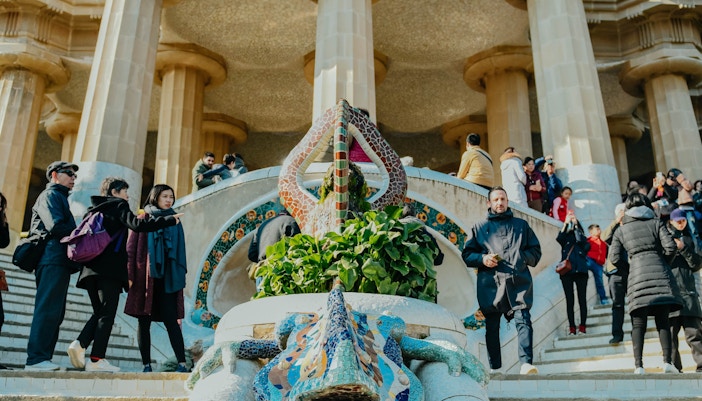
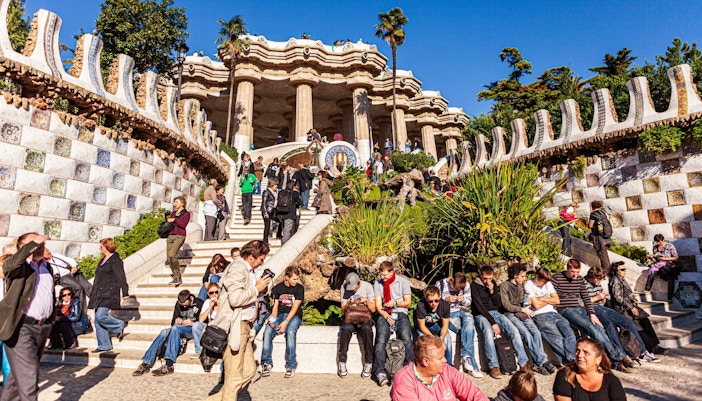
One of Park Güell’s standout spots, the Hypostyle Room, was originally designed to be a grand marketplace for future residents. Inspired by Roman temples, it features 86 slanted columns and some clever engineering— rainwater from the square above is collected through the ceiling and funneled into an underground tank. And the dragon sculpture at the staircase? That’s actually the overflow spout! The stunning mosaic ceiling, full of broken tile brilliance, was crafted by Gaudí’s right-hand man, Josep Maria Jujol.

6. Austria Gardens was meant to be housing plots

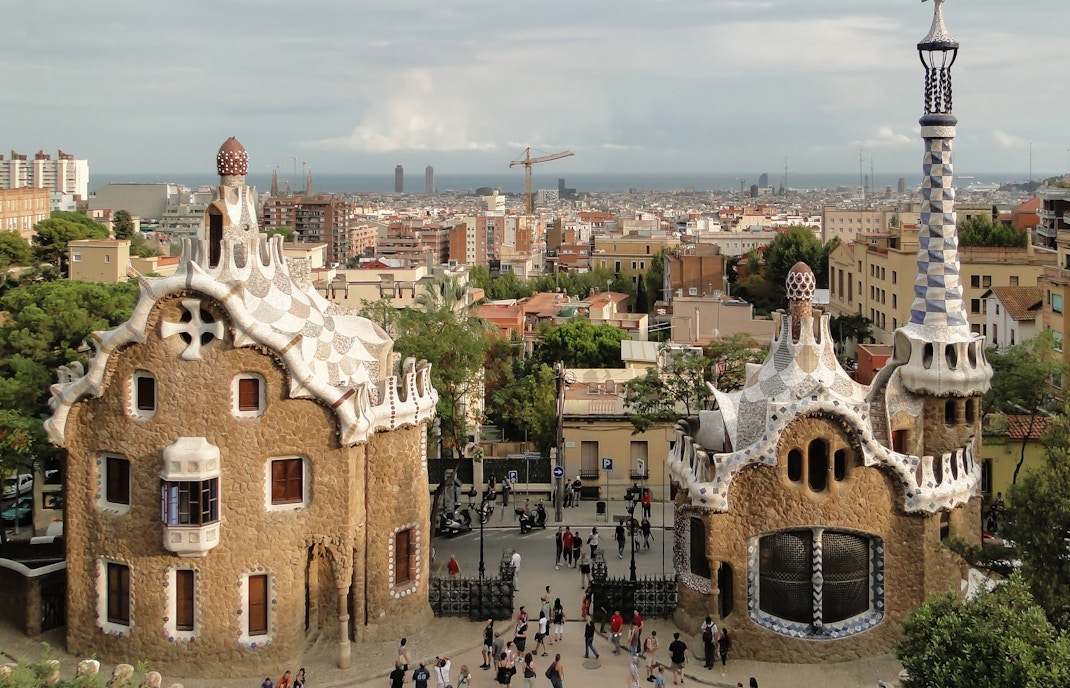
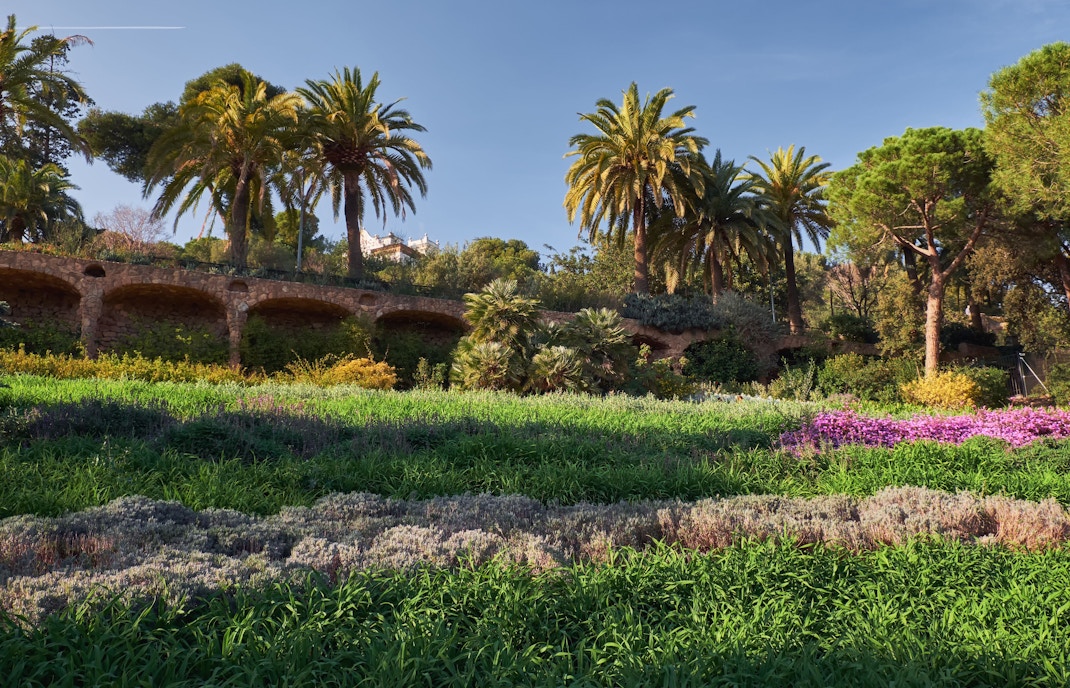
This peaceful green space was originally set aside for fancy homes in the failed housing project. But once Park Güell became public, the area turned into a plant nursery. Then in 1977, Austria donated a bunch of trees, and voilà, the Austria Garden got its name. It’s also one of the best spots in the park for panoramic views and a great vantage point to see the two original houses that were built.

Frequently asked questions about Park Güell facts

Antoni Gaudi once lived in one of the showhouses on the premises of Park Güell.

More reads

Plan Your Visit to Park Guell

Book Now

Tips For Visiting Park Guell

Book Now

Map of Park Guell

Book Now